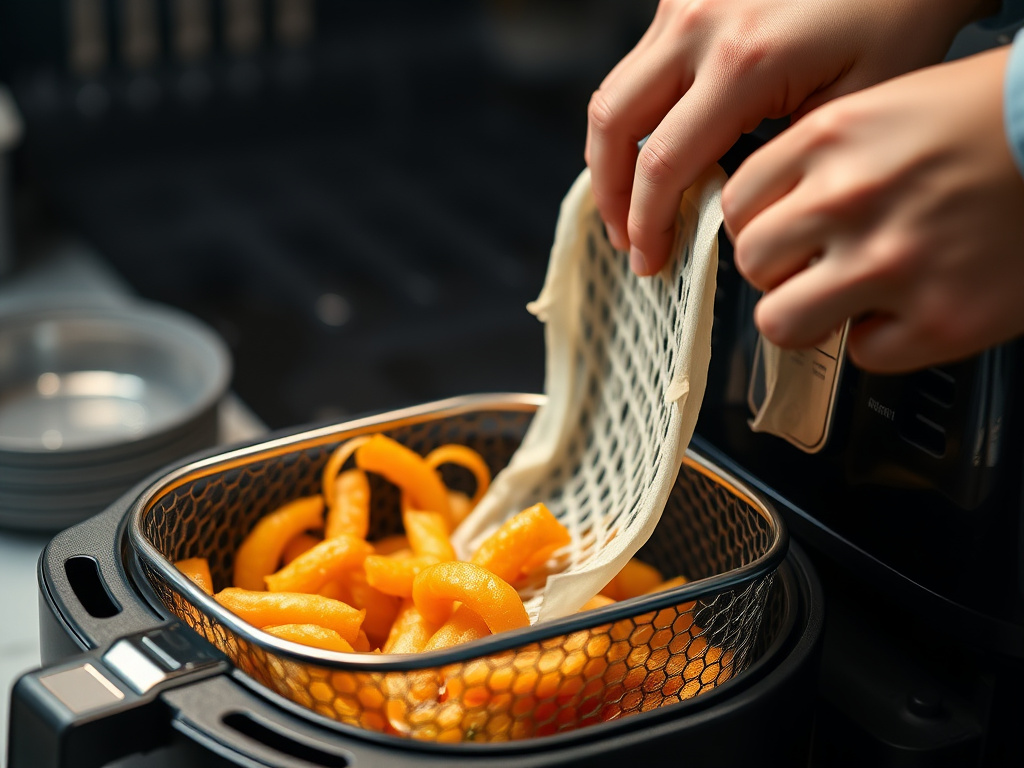
The Silent Crisis in Your Kitchen: Is Your Air Fryer Trapping You?
The air fryer has transitioned from a niche "As Seen on TV" gadget to a permanent fixture on the American countertop. It promised us the impossible: the crunch of deep-frying with a fraction of the oil and none of the guilt. But as these machines age, a disturbing trend has emerged in kitchens worldwide. You’re shaking your basket of sweet potato fries, and you notice something—tiny, obsidian-colored flakes peppered across your food. At first, you think it’s charred seasoning or perhaps a bit of burnt rosemary. Then you look closer at the basket itself and realize the truth: the non-stick coating is disintegrating.
Air fryer basket peeling is more than a cosmetic annoyance; it is a fundamental failure of the appliance’s most critical interface. When that sleek, dark surface begins to bubble, crack, or flake away, it triggers an immediate internal alarm. Is this toxic? Am I feeding my family "forever chemicals"? Does this mean the end of my $150 investment? These are the questions that keep home cooks up at night, and they deserve an answer rooted in material science, not marketing fluff.
The background of this issue lies in the materials used to create that "non-stick" magic. Most air fryer baskets are made of aluminum or steel coated with a layer of Polytetrafluoroethylene (PTFE), commonly known by the brand name Teflon, or a ceramic-based coating. These coatings are engineered to withstand high heat and provide a low-friction surface. However, the air fryer environment is a "perfect storm" for material degradation. We are talking about rapid thermal cycling (going from room temperature to 400°F in minutes), high-velocity air friction, and the chemical onslaught of fats and cleaning agents.
When air fryer coating peeling occurs, it signifies that the bond between the substrate (the metal basket) and the polymer coating has failed. This guide is designed to be the definitive resource for every air fryer owner facing this dilemma. We will dissect the safety implications, the mechanical causes of the failure, and the hard truths about whether you can—or should—continue using a compromised basket. This isn't just about cooking; it’s about the intersection of food safety and appliance longevity in the modern kitchen.
The Critical Problem: The Science of Coating Failure
To understand the gravity of a peeling air fryer basket, we must look at the "Expert Analysis" of why these coatings fail and what happens when they enter your digestive tract. The primary culprit in 90% of cases is delamination. Delamination occurs when the microscopic "teeth" of the metal basket lose their grip on the non-stick layer.
The Myth of "Dishwasher Safe"
Manufacturers love to slap the "dishwasher safe" label on their products. From an engineering standpoint, this is often the beginning of the end. Dishwasher detergents are highly abrasive and alkaline. When you combine high-heat drying cycles with these harsh chemicals, the non-stick coating becomes brittle. Micro-cracks form—often invisible to the naked eye. Once moisture and fats penetrate these cracks, they get trapped between the coating and the metal. When you next turn on the air fryer, that trapped moisture turns to steam, expanding and "popping" the coating from the inside out. This is why you see bubbling before the actual peeling begins.
The Chemical Concern: PTFE vs. PFOA
The "elephant in the room" is toxicity. For decades, the production of non-stick coatings involved PFOA (perfluorooctanoic acid), a chemical linked to numerous health issues. While modern air fryers are almost exclusively PFOA-free, they still utilize PTFE. PTFE is generally considered inert and safe for human consumption in small quantities—meaning if a flake passes through your system, it likely won't be absorbed.
However, the real danger isn't the flake itself; it’s the off-gassing. When a coating is compromised and peeling, the surrounding edges are often thinner and more prone to overheating. If PTFE is heated above 500°F (which can happen in "hot spots" where the coating is thin), it can release polymer fumes. While most air fryers max out at 400°F or 450°F, a malfunctioning unit or a basket with significant structural damage can experience localized overheating.
The Exposed Metal Problem
Once the coating peels, the underlying material is exposed. Most baskets are made of stamped cold-rolled steel or aluminum. These metals are not intended for direct food contact without a protective layer. Exposed aluminum can leach into acidic foods (like a chicken marinated in lemon or tomato sauce), and exposed steel can rust. Consuming rust or excess aluminum is not an immediate death sentence, but it certainly isn't part of a healthy diet. The presence of peeling indicates that the appliance's integrity has been breached, and the "non-stick" promise is now a "stick-and-corrode" reality.
Methodology: The Core Guide to Assessing and Fixing the Damage
If you are staring at a peeling basket right now, you need a systematic approach to decide your next move. Follow this expert-led methodology to determine if your air fryer is a hazard or a hero.
Phase 1: The Diagnostic "Scratch and Scrub" Test
Before you panic, you must distinguish between air fryer basket peeling and carbonized grease buildup. Many users mistake "black flakes" for peeling when they are actually just burnt-on food residue and polymerized oil.
- The Test: Soak the basket in warm, soapy water for 30 minutes. Use a soft nylon brush to scrub the affected area.
- The Result: If the "flakes" come off and leave a smooth, intact surface underneath, it was just grease. If the flakes come off and reveal shiny silver metal or a dull gray substrate, your coating is officially failing.
Phase 2: The Safety Threshold (The 10% Rule)
Is it safe to use? This is the most common question.
- The Verdict: If less than 5-10% of the basket is showing minor scratches (not peeling flakes), you can continue to use it with a barrier (see Phase 3).
- The Hard Stop: If the coating is actively flaking—meaning you can pick pieces off with your fingernail—or if the peeling is on the floor of the basket where food sits directly, stop using it immediately. The risk of ingesting large quantities of coating and exposing your food to raw metal is too high.
Phase 3: Immediate Remediation Tactics
If you aren't ready to buy a new unit, you must change how you cook. You can no longer place food directly on the basket surface.
- Silicone Liners: These are the gold standard for compromised baskets. They provide a food-grade, heat-stable barrier between your meal and the peeling surface.
- Perchment Paper (Perforated): Specifically designed for air fryers, these prevent food from touching the basket while allowing airflow.
- The "Never-Aerosol" Rule: If you are using a new or slightly damaged basket, stop using aerosol spray cans (like Pam). They contain soy lecithin, which leaves a gummy residue that bonds to the coating and eventually pulls it off, accelerating the peeling process.
Phase 4: Replacement Strategy
When the damage is extensive, you have two professional-grade options. You can either replace the basket or replace the unit. Many brands like Cosori and Ninja offer replacement baskets. This is often the most cost-effective way to "reset" your appliance’s lifespan without the waste of throwing away the entire motorized base.
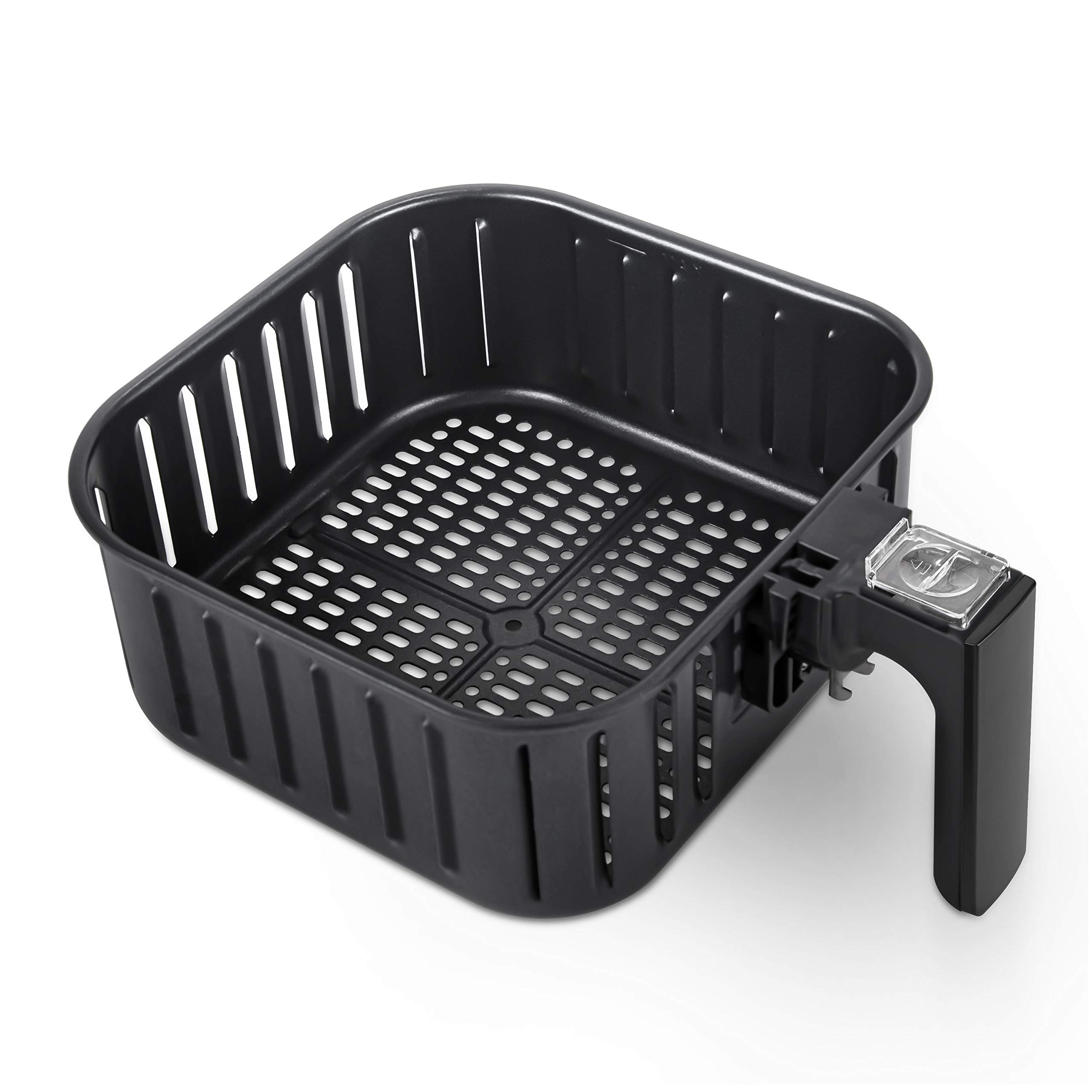
COSORI Air Fryer Accessories, Replacement 5.8QT Original Basket For COSORI CP358-AF, CS358-AF Air Fr
- High-quality product
- Customer favorite
- Best value option
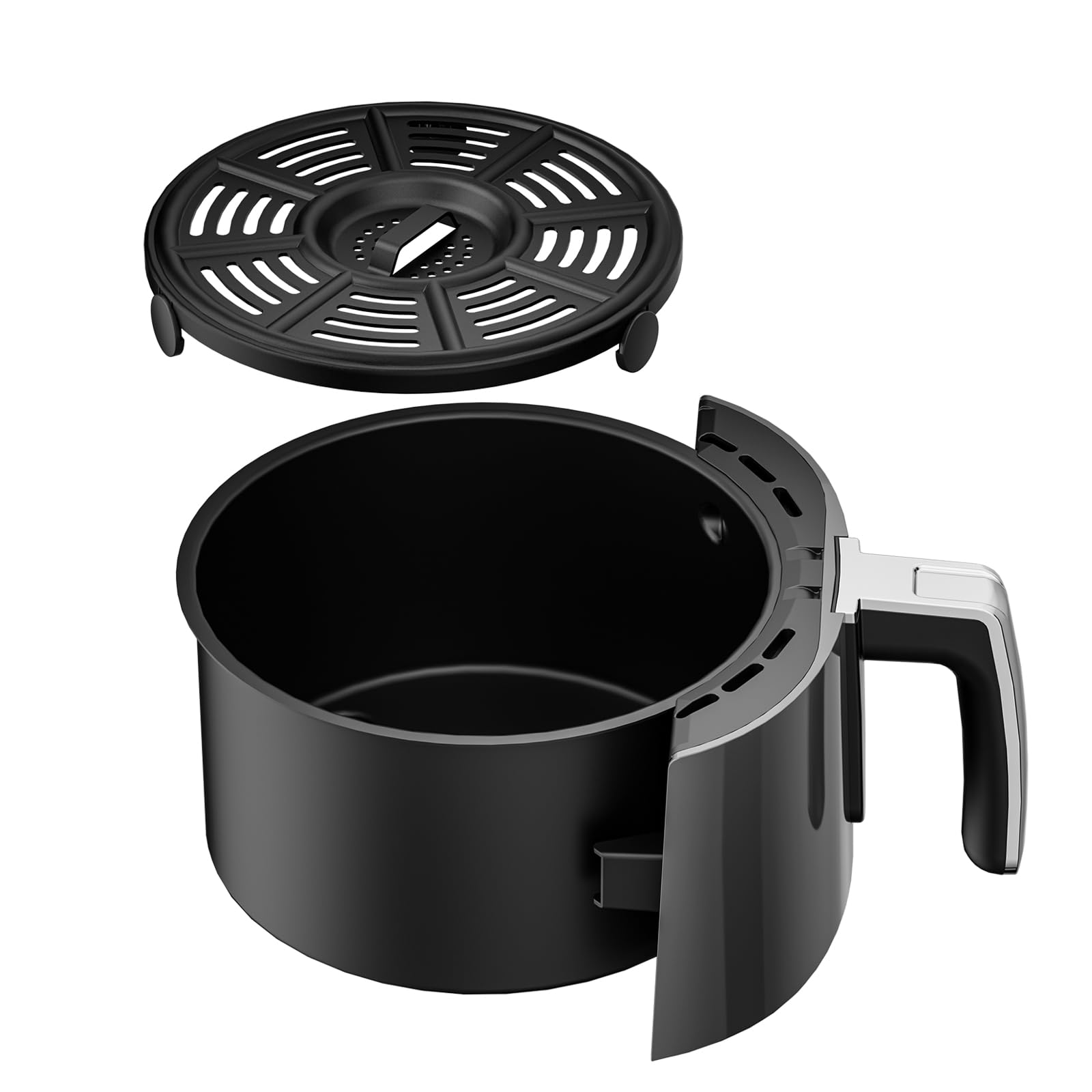
Air Fryer Replacement Basket and Tray for Ninja AF101, Air Fryer Accessories for Ninja AF101, Non-St
- High-quality product
- Customer favorite
- Best value option
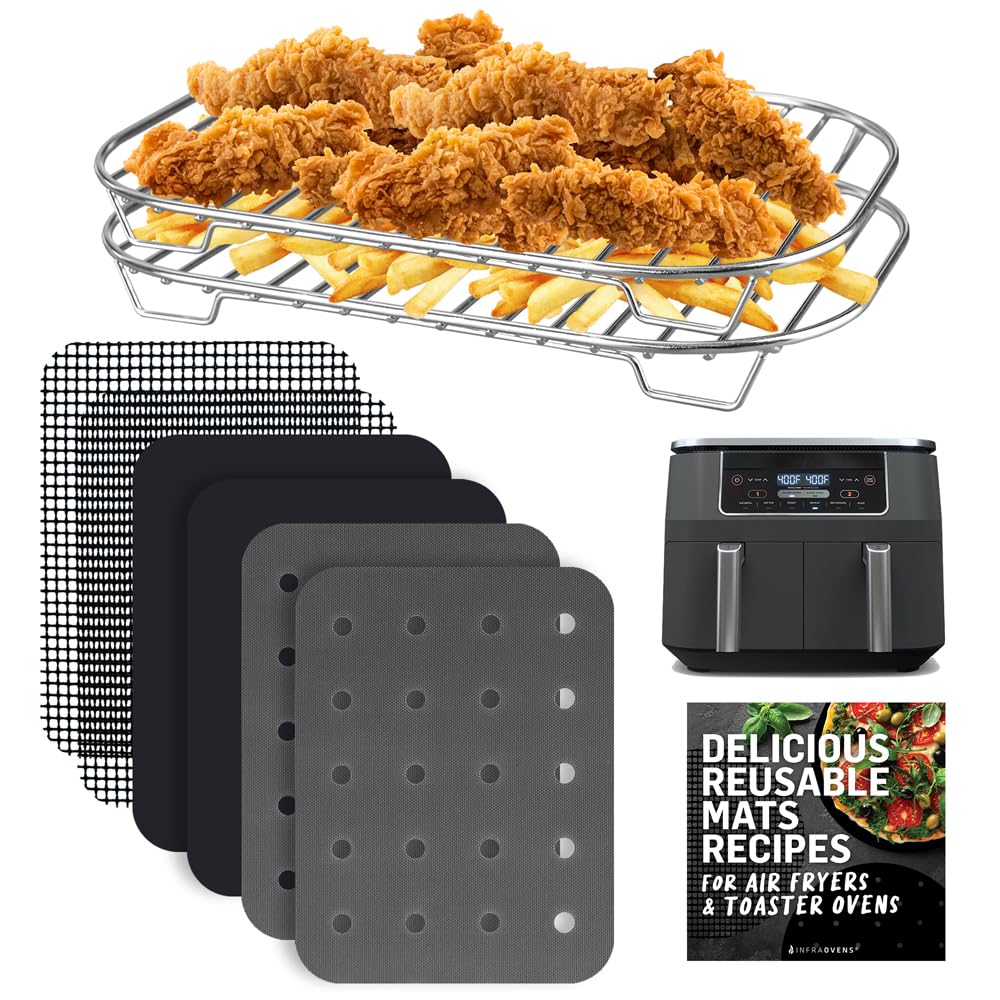
INFRAOVENS Accessories for Ninja Dual 2 Basket Air Fryer 10 QT DZ401 & 8 QT DZ201, Racks for Foodi D
- High-quality product
- Customer favorite
- Best value option
Expert Hacks & Maintenance: Preventing Future Peeling
If you have just purchased a replacement basket or a new unit, your goal is to make that coating last five years instead of five months. Here are the "authority" hacks for maintaining a pristine air fryer environment.
1. The "Cold Start" Myth
Many people preheat their air fryers empty. While this is great for crispiness, it is brutal for the coating. An empty basket absorbs 100% of the thermal energy without a food "heat sink" to distribute it. If you must preheat, do it for no more than 2-3 minutes. Better yet, place your food in the basket and add 2 minutes to the cooking time to allow for a gradual ramp-up.
2. High Smoke Point Oils Only
Using the wrong oil can cause air fryer coating peeling. Oils with low smoke points (like extra virgin olive oil or butter) break down and create a sticky, carbonized layer that is nearly impossible to remove without aggressive scrubbing. Stick to Avocado oil, Grapeseed oil, or Refined Coconut oil. These maintain their integrity at 400°F and won't "glue" themselves to your basket.
3. The "Gentle Soak" Protocol
Never, ever scrub a hot basket with cold water. This causes thermal shock—the metal and the coating contract at different speeds, literally shearing the bond between them. Let the basket cool to room temperature, then fill it with warm water and a drop of Dawn Dish Soap. Let it sit for 15 minutes. Most residue will simply wipe away with a microfiber cloth.
4. Wooden and Silicone Utensils
This should go without saying, but metal tongs are the enemy. Even "gentle" use of metal utensils creates micro-scratches. These scratches are the entry points for grease and moisture to begin the delamination process. Use only high-heat silicone-tipped tongs.
Mega FAQ: Everything You Need to Know About Air Fryer Coating Peeling
1. Is it safe to eat food if the basket is peeling?
If you see visible black flakes on your food, it is not recommended. While PTFE is generally inert, the underlying metal and the risk of ingesting larger chunks of coating are health concerns you should avoid.
2. Can I re-coat my air fryer basket at home?
No. There are no safe, food-grade "DIY" non-stick sprays that can replicate the factory-bonded coating. Any attempt to "paint" or "spray" the basket will likely result in toxic fumes when heated.
3. Why is my Ninja air fryer basket peeling?
Ninja baskets often use a ceramic coating. While safer (PTFE-free), ceramic is more brittle. Dropping the basket or using abrasive sponges can cause "spider-web" cracking that leads to peeling.
4. Does the dishwasher really ruin the basket?
Yes. Even if the manual says "dishwasher safe," the combination of high-alkaline detergents and intense heat cycles is the #1 cause of premature coating failure. Hand washing is mandatory for longevity.
5. Can I use aluminum foil to cover the peeling areas?
Yes, but with caution. Ensure the foil is weighted down by food so it doesn't get sucked into the heating element. Also, avoid using foil with acidic foods (tomatoes, citrus), as the aluminum can leach into the food.
6. What are the "black specks" if it’s not the coating?
Usually, it is polymerized oil. This happens when oil is heated repeatedly and turns into a plastic-like substance. It flakes off just like the coating but is harmless (though it tastes bitter).
7. How long should an air fryer basket last?
With proper care (hand washing, no aerosols, silicone utensils), a high-quality basket should last 2 to 3 years of heavy use before showing signs of wear.
8. Is ceramic coating better than Teflon/PTFE?
Ceramic is generally considered "greener" and safer at very high temperatures, but PTFE is much more "non-stick" and tends to be more durable against moisture.
9. Can I sand down the peeling coating and use the bare metal?
This is not recommended. Most baskets are made of materials that will rust or leach metals if the protective coating is removed. Unless the basket is 100% stainless steel (which is rare), don't sand it.
10. Does the warranty cover peeling?
Most manufacturers consider peeling "normal wear and tear" and will not cover it under a standard 1-year warranty unless you can prove it happened within the first few weeks of use due to a defect.
11. Are there any air fryers with stainless steel baskets?
Yes, some premium models and "toaster oven style" air fryers use stainless steel racks or baskets. These are the best choice for those worried about peeling coatings.
12. What oil is best to prevent peeling?
Avocado oil is the best choice due to its incredibly high smoke point (520°F) and clean breakdown.
Closing Thoughts: The Path Forward
The phenomenon of air fryer basket peeling is a reminder that even our most beloved kitchen tools have a shelf life. While the discovery of flakes in your food is alarming, it is an opportunity to audit your cooking habits and prioritize your health. If your basket is currently peeling, do not compromise; either use a silicone liner as a permanent barrier or invest in a replacement basket.
Moving forward, treat your air fryer basket with the same respect you would a high-end carbon steel pan. Skip the dishwasher, banish the aerosol sprays, and embrace the gentle soak. By understanding the material science behind air fryer coating peeling, you transition from a frustrated consumer to an empowered home chef, ensuring that the only thing you're consuming is the crispy, delicious food you intended to make. Stay vigilant, cook smart, and keep your basket pristine.