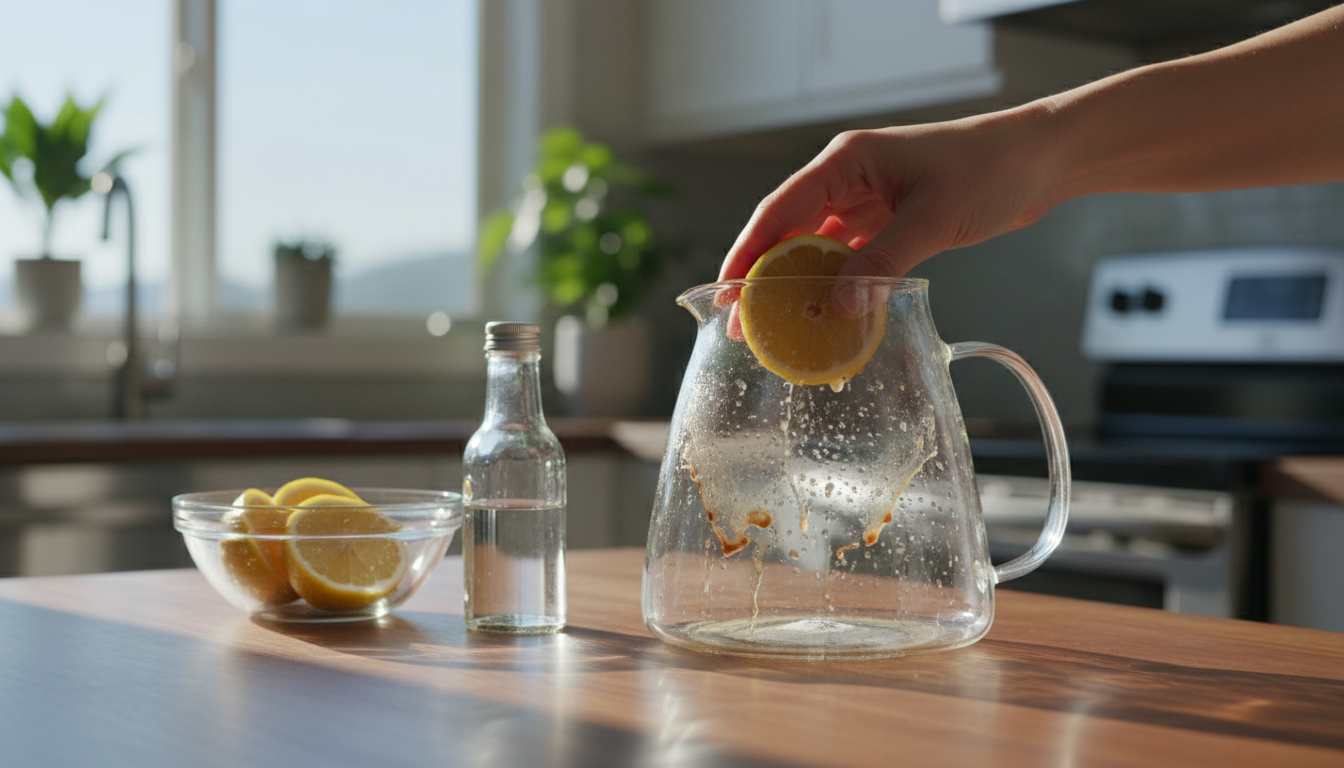
The Art and Science of the Pristine Pour: Why Cleanliness Defines Your Coffee
For many of us, the morning ritual of brewing coffee is a sacred act. The aroma of freshly ground beans, the rhythmic hiss of the water, and the first sip of a dark, rich roast are the foundational elements of a productive day. However, there is a silent saboteur lurking in the background of this ritual: the coffee carafe stain. Over time, that crystal-clear glass or gleaming stainless steel begins to develop a stubborn, amber-hued film. It starts as a faint ring at the bottom and eventually climbs the walls of the vessel, turning your sophisticated brewing equipment into something that looks neglected.
Learning how to clean coffee carafe surfaces is not merely about aesthetics. It is a fundamental skill for any coffee enthusiast who values the integrity of their brew. Coffee is a complex beverage, containing hundreds of volatile compounds, essential oils, and organic acids. When coffee sits in a carafe, these elements undergo a process of oxidation and evaporation, leaving behind a resilient residue. If left unaddressed, this residue doesn't just look bad—it tastes bad. It harbors rancid oils that can taint even the most expensive single-origin beans, introducing a bitter, "burnt" aftertaste that no amount of cream or sugar can fully mask.
In recent years, there has been a significant shift away from harsh, synthetic chemicals in the kitchen. Discerning homeowners are looking to remove coffee carafe stains using natural, food-safe methods that are as effective as their industrial counterparts. The goal is to achieve a laboratory-grade clean without leaving behind the scent of bleach or the residue of artificial surfactants. This guide is designed to be the definitive resource for natural carafe maintenance. We will explore the chemistry of why these stains form, why traditional dish soap often fails, and the specific, high-potency natural agents that can restore your carafe to its original, out-of-the-box brilliance. Whether you are dealing with a standard glass pot or a high-end thermal vacuum carafe, the methodology provided here will ensure your coffee always tastes exactly as the roaster intended.
The Critical Problem: The Chemistry of the "Coffee Varnish"
To effectively remove coffee carafe stains, one must first understand what they are fighting. The brown film inside your coffee maker is not just "dried coffee." It is a complex, multi-layered accumulation of organic matter that chemists often refer to as a "polymeric residue."
Coffee beans are rich in lipids (fats and oils). During the brewing process, these oils are extracted by hot water and held in a delicate emulsion. As the coffee stays warm in the carafe, these oils begin to oxidize upon contact with air. This oxidation process changes the molecular structure of the oils, making them increasingly sticky and insoluble in water. Simultaneously, the heat from the warming plate or the residual heat in a thermal carafe accelerates the evaporation of water, concentrating the remaining solids.
The primary pigmenting agents in these stains are tannins and melanoidins. Tannins are polyphenolic compounds also found in wine and tea; they are notorious for their ability to bind to surfaces, especially porous or slightly etched glass and stainless steel. Melanoidins are the brown polymers formed during the roasting process (the Maillard reaction). Together, these compounds create a "varnish" that is remarkably resistant to standard dish detergents. Dish soap is designed to break down surface tension and lift loose grease, but it often lacks the chemical "teeth" required to break the covalent bonds of polymerized coffee oils.
Furthermore, there is a secondary issue: mineral scale. If you live in an area with hard water, the calcium and magnesium in your water supply will precipitate out during the heating process. This creates a microscopic, sandpaper-like layer of limescale on the interior of your carafe. This scale acts as an anchor, giving the coffee oils and tannins a textured surface to cling to. This is why a carafe can look clean when wet, but reveal a dull, cloudy film once dry.
Beyond the flavor degradation, there is a biological concern. This layer of organic residue provides an ideal substrate for a "biofilm"—a colony of bacteria and mold that can survive even in the harsh, acidic environment of a coffee maker. A stained carafe is, quite literally, a microscopic breeding ground. To truly clean a carafe, you must address three fronts: the polymerized oils, the pigmented tannins, and the underlying mineral scale. Doing this naturally requires a strategic application of acidity, abrasion, and oxygenation.
Methodology: The Core Guide to Natural Restoration
Restoring your carafe requires a departure from the "scrub and rinse" mentality. Instead, we utilize natural chemical reactions to do the heavy lifting. Here are the most effective, expert-vetted methods to how to clean coffee carafe stains naturally.
1. The Acidic Deep Soak (Distilled White Vinegar)
Vinegar is the gold standard for natural cleaning because its acetic acid content effectively dissolves mineral scale and cuts through the "varnish" of coffee oils.
- The Process: Fill your carafe with a solution of one part white vinegar to two parts hot water. Let it sit for at least 30 minutes. For severe staining, a 1:1 ratio or even straight vinegar may be used.
- The Action: The acid breaks the bond between the tannins and the surface. After soaking, add a small amount of dish soap and warm water, then use a soft carafe brush to wipe away the loosened debris. Rinse thoroughly until the scent of vinegar is gone.
2. The Alkaline Scrub (Baking Soda Paste)
Baking soda (sodium bicarbonate) is a mild alkali and a gentle abrasive. It is particularly effective at neutralizing the acidic components of coffee stains and physically lifting them without scratching glass or stainless steel.
- The Process: Empty the carafe and leave it slightly damp. Sprinkle two tablespoons of baking soda into the bottom. Use a damp sponge or a microfiber cloth to work the powder into a thick paste, scrubbing the stained areas in a circular motion.
- The Action: The mechanical action of the baking soda particles shears off the polymerized oils, while the alkaline pH helps dissolve the protein-based components of the stain.
3. The "Diner Hack" (Salt and Ice)
This is an old-school professional technique used by waitstaff to remove coffee carafe stains in seconds without chemicals.
- The Process: Add about half a cup of crushed ice to a room-temperature carafe. Add two tablespoons of coarse kosher salt and the juice of half a lemon (or a splash of vinegar). Swirl the carafe vigorously for two minutes.
- The Action: The ice and salt create a powerful, cold abrasive slurry. The salt doesn't melt immediately in the ice, allowing it to act like "liquid sandpaper." The citric acid from the lemon helps brighten the surface and break down oils.
4. The Oxygenation Method (Hydrogen Peroxide and Baking Soda)
For the most stubborn, "baked-on" stains that have resisted other methods, oxygenation is the key.
- The Process: Mix half a cup of hydrogen peroxide with two tablespoons of baking soda in the carafe. Fill the rest with very hot water. It will fizz and bubble. Let it sit for 1 hour.
- The Action: The reaction releases pure oxygen, which penetrates the porous structure of the stain and lifts it away from the surface. This is effectively a natural version of "Oxi" cleaners.

Coffee and Tea Stain Remover for Cups, Mugs & Tumblers – Bottle Cleaner Tablets for Stainless Steel
- High-quality product
- Customer favorite
- Best value option
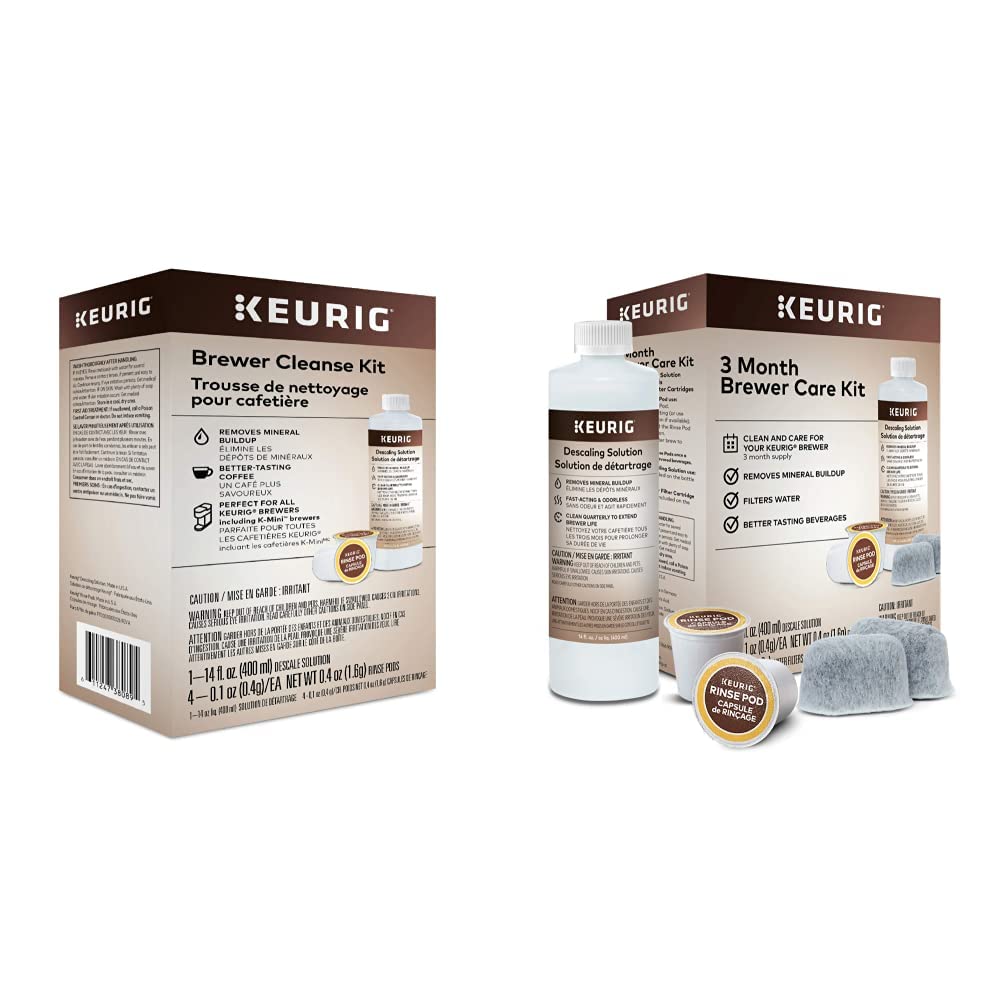
Keurig Brewer Cleaning and Maintenance Kit with Descaling Solution, Rinse Pods, and Water Filters |
- High-quality product
- Customer favorite
- Best value option
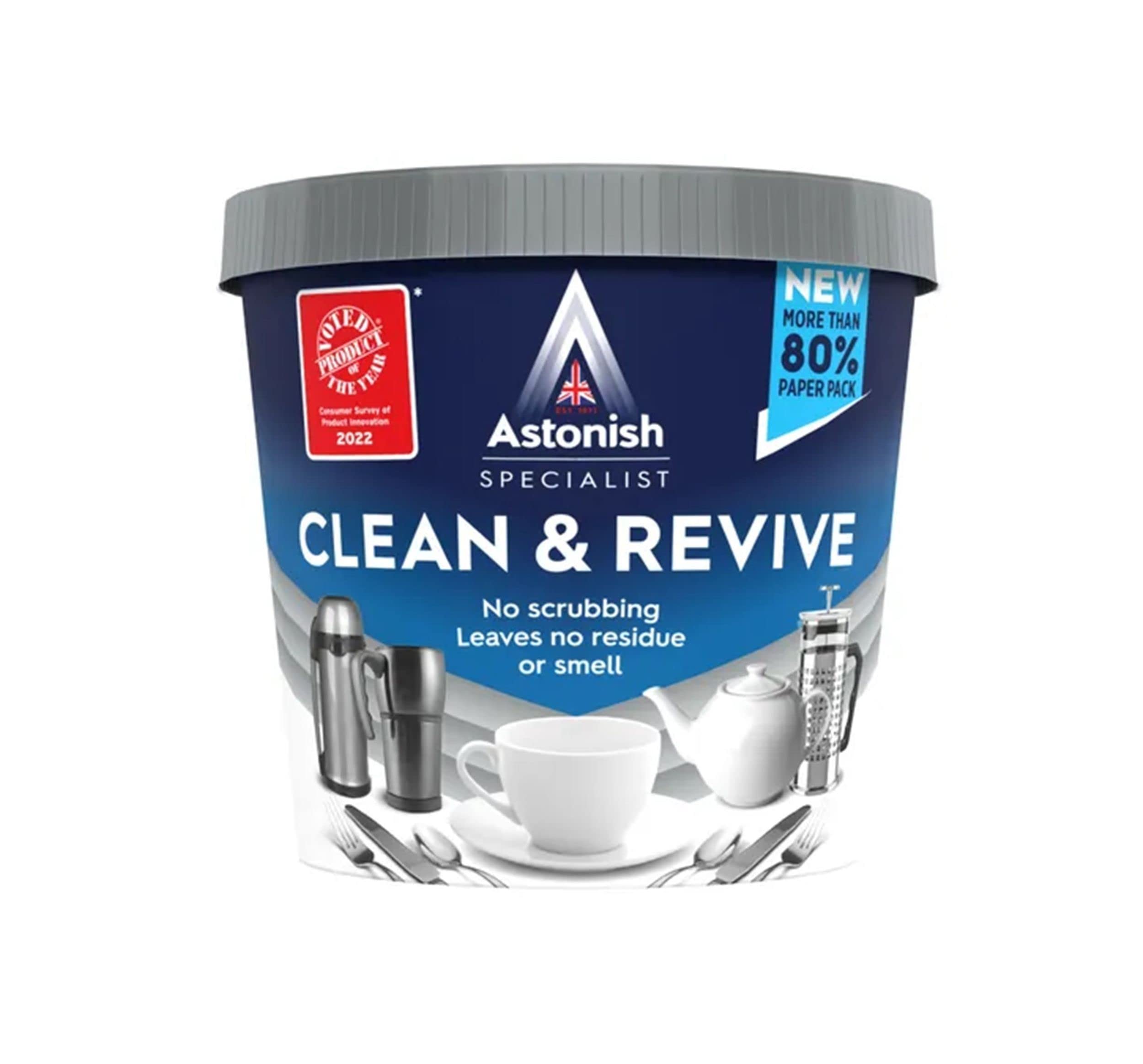
Astonish Specialist Clean & Revive Foaming Powder For Tea Pots, Coffee Mugs, & Stainless Steel – Rem
- High-quality product
- Customer favorite
- Best value option
Expert Hacks & Maintenance: Preventing the Build-up
True mastery of coffee equipment involves proactive maintenance. Once you have used the methods above to how to clean coffee carafe stains, your goal should be to never let them reach that state again.
1. The Pre-Heated Rinse
Before brewing, rinse your carafe with hot water. This doesn't just help maintain the temperature of your coffee; it also smooths out the surface of the vessel, making it harder for oils to adhere.
2. The Daily "Air-Dry" Mistake
Many people wash their carafe and then immediately flip it upside down on a drying rack. This traps moisture and humidity inside, which can lead to bacterial growth and "musty" smells. Instead, dry the exterior and let the carafe sit upright in a well-ventilated area, or hand-dry the interior with a clean microfiber cloth.
3. Citric Acid: The Secret Weapon
If you want to move beyond vinegar, buy food-grade citric acid powder. It is odorless and much more effective at descaling than vinegar. A monthly soak with one tablespoon of citric acid in hot water will keep your carafe (and your entire coffee machine) in pristine condition.
4. Thermal Carafe Warning
If you have a stainless steel thermal carafe, never use a metal scrub brush or steel wool. Micro-scratches on the interior surface will significantly increase the rate of staining, as the coffee oils will "hide" in the grooves where they are harder to reach. Always use soft-bristled brushes or the "Salt and Ice" method mentioned above.
Mega FAQ: Everything You Need to Know
1. How often should I clean my coffee carafe?
For daily users, a quick rinse with soap and water should happen after every pot. A deep "natural" clean (vinegar or baking soda) should be performed once a week to prevent oil polymerization.
2. Is it safe to put a coffee carafe in the dishwasher?
Glass carafes are usually dishwasher safe, but the high heat and harsh detergents can make the glass brittle over time or etch the surface. Thermal carafes are almost never dishwasher safe, as the heat can compromise the vacuum seal.
3. Why does my carafe still smell like coffee after cleaning?
This is due to trapped oils in the gasket or the lid. Disassemble the lid if possible and soak it in a baking soda and water solution to neutralize the odors.
4. Can I use bleach to remove stains?
It is highly discouraged. Bleach is difficult to rinse completely and can react with the stainless steel in thermal carafes, causing pitting and permanent damage.
5. Will cleaning the carafe improve the taste of my coffee?
Absolutely. Removing rancid oils and mineral scale ensures that you are tasting the coffee beans, not the remnants of last month’s brews.
6. Can I use lemon juice instead of vinegar?
Yes. Lemon juice is an excellent source of citric acid. It is more expensive than vinegar but leaves a pleasant citrus scent.
7. What if my carafe is cloudy but not brown?
Cloudiness is usually mineral scale (limescale). An acidic soak (vinegar or citric acid) is the best way to resolve this.
8. Is baking soda safe for stainless steel?
Yes, baking soda is non-reactive and gentle enough for stainless steel. It is actually one of the best ways to polish the interior of a thermal carafe.
9. How do I clean the hard-to-reach neck of a carafe?
Use a dedicated bottle brush with a flexible handle, or use the "Salt and Ice" method, which requires no physical reaching.
10. Does the water temperature matter when cleaning?
Yes. Hot water (but not boiling) helps to liquefy dried oils, making them much easier to lift and rinse away.
11. Can I use denture tablets to clean a carafe?
Yes, denture tablets are essentially concentrated effervescent cleaners (sodium bicarbonate and citric acid). They work well for light staining.
12. Why do thermal carafes stain faster than glass?
Stainless steel often has a slightly more porous surface than tempered glass at a microscopic level, giving oils more "grip."
Closing Thoughts
The journey to a perfect cup of coffee doesn't end with the beans or the grind; it ends with the vessel that holds the final product. Understanding how to clean coffee carafe stains naturally is an investment in your daily quality of life. By leveraging the power of simple household ingredients like vinegar, baking soda, and salt, you can bypass the need for industrial chemicals while achieving professional-level results.
Remember that a clean carafe is a sign of a true coffee connoisseur. It shows a respect for the craft of brewing and a commitment to the purity of flavor. Implement these natural methods into your weekly routine, and you will find that your morning coffee is consistently brighter, cleaner, and more vibrant. Don't let a brown ring of residue stand between you and the perfect pour. Restore your equipment today, and taste the difference that a truly clean carafe makes.