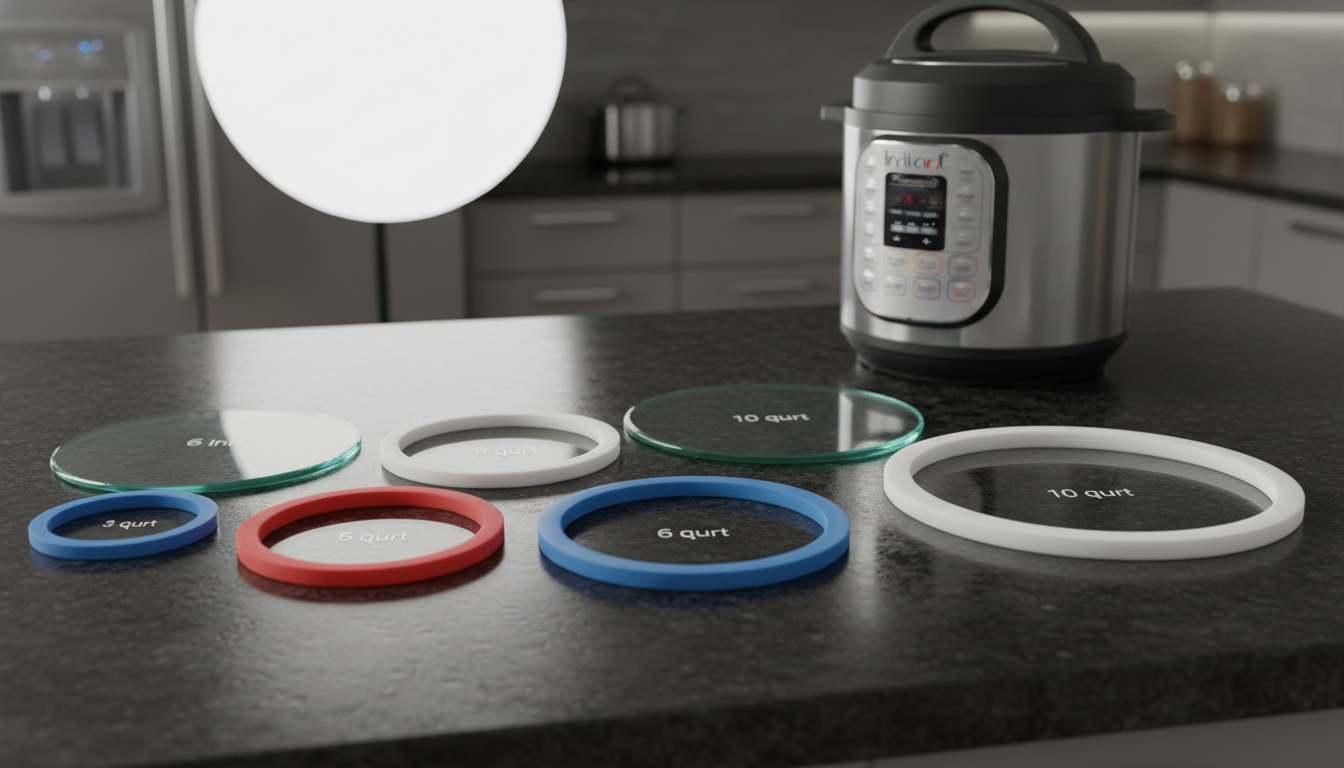
The Unsung Hero of Pressure Cooking: Understanding the Sealing Ring
The Instant Pot has revolutionized the modern kitchen, turning labor-intensive braises and complex grains into "set-it-and-forget-it" triumphs. However, the entire engineering marvel of a multi-cooker hinges on one humble, often overlooked component: the silicone sealing ring. Without a perfect, airtight seal, your high-tech appliance is nothing more than an expensive, slow-heating stockpot. The instant pot sealing ring size is not a suggestion; it is a critical specification that dictates whether your machine functions safely or fails to reach pressure entirely.
As a seasoned culinary technician, I have seen thousands of home cooks struggle with the "Burn" message or steam billowing from the sides of their lids. Nine times out of ten, the culprit is a compromised, improperly seated, or incorrectly sized sealing ring. This ring is the "gatekeeper" of the pressurized environment. It sits within a metal track on the underside of the lid, and as the liquid inside the pot boils, the resulting steam creates internal pressure. This pressure forces the ring against the rim of the inner pot, creating a hermetic seal. If the instant pot ring sizes are mismatched—even by a few millimeters—the physics of the device collapse.
Understanding the landscape of these accessories is vital because Instant Pot has expanded its lineup from a single "Duo" model to a massive ecosystem including the Pro, Max, Ultra, Viva, and even 10-quart monsters. Each of these iterations demands specific tolerances. Furthermore, the material science of the ring itself—food-grade silicone—is designed to be both flexible and durable, yet it is a consumable part. It expands under heat and contracts as it cools. Over hundreds of cycles, this elasticity degrades.
In this guide, we will dismantle the confusion surrounding compatibility. We will explore why a 6-quart ring from a Duo might not be the best fit for a 6-quart Pro, and why "universal" third-party rings can sometimes be a gamble. Whether you are a meal-prep enthusiast or a weekend gourmet, mastering the nuances of the sealing ring is the single most important maintenance step you can take for your appliance. We are moving beyond the basic manual to provide an authoritative deep dive into the sizing, physics, and selection of the ultimate pressure-cooking fail-safe.
The Critical Problem: Why Wrong Sizes and Wear Lead to Failure
The "Critical Problem" with sealing rings isn't just about a pot not coming to pressure; it’s about the intersection of safety, food science, and mechanical integrity. When you use an incorrect instant pot sealing ring size, you are bypassing the primary safety mechanism of the cooker. Let’s analyze this from an engineering perspective.
1. The Physics of the "False Seal"
A common issue occurs when a user fits an 8-quart ring into a 6-quart lid or uses a generic ring that claims "one size fits all." Silicone has a specific Shore A hardness (a measure of material stiffness). If a ring is too thick, the lid may close, but the locking pin (float valve) might not engage correctly because the lid is sitting a fraction of a millimeter too high. Conversely, if the ring is too thin or the diameter is slightly too large, it will "sag" in the track. When the pot attempts to pressurize, the steam escapes through these micro-gaps. This prevents the internal pressure from reaching the 11.6 PSI (for high pressure) required to cook food safely and quickly.
2. The "Burn" Error and Moisture Loss
The dreaded "Burn" message is often a direct symptom of a faulty seal. If the instant pot ring sizes are off, steam escapes continuously during the "heating" phase. This causes the liquid inside to evaporate much faster than the programmed algorithm expects. As the liquid disappears, the bottom of the inner pot overheats, triggering the thermal sensors to shut the unit down to prevent a fire. Users often blame the recipe or the pot’s heating element, but the reality is a "leaky" ring that allowed the necessary moisture to vanish.
3. Material Degradation and "The Stretch"
Silicone is porous. Over time, it absorbs high-temperature fats and odors (the "curry smell" that haunts many lids). More importantly, the repeated cycle of thermal expansion (heating) and contraction (cooling) leads to permanent deformation. An old ring may appear fine to the naked eye, but if it has stretched by even 2-3%, it will no longer sit snug in the wire rack. This "looseness" is a leading cause of the lid failing to lock. An expert knows that a ring should be replaced every 12–18 months, or immediately if it becomes "floppy" or discolored.
4. Safety Risks of Third-Party "Generic" Rings
The market is flooded with cheap, non-branded silicone rings. While many are functional, some lack the necessary heat-stabilizers required for high-pressure environments. A ring that fails catastrophically under pressure could lead to a sudden release of steam, potentially causing severe burns or damaging the kitchen cabinetry. Authenticating your instant pot sealing ring size and ensuring it meets the manufacturer’s material specifications is a non-negotiable safety protocol.
Methodology: The Definitive Guide to Instant Pot Ring Sizes
Navigating the various sizes of Instant Pots requires a systematic approach. You cannot simply buy a "Large" ring; you must match the quart capacity and, in some cases, the specific series of your cooker. Below is the methodology for identifying exactly which ring you need.
1. The 3-Quart "Mini" Series
The 3-quart models (Duo Mini, Lux Mini, Ultra Mini) use the smallest ring in the lineup.
- Dimensions: Approximately 7 inches (18 cm) in diameter.
- Compatibility: These rings are generally interchangeable across all 3-quart Instant Pot branded models. They are significantly smaller than the standard 6-quart rings and cannot be interchanged.
2. The 5 and 6-Quart "Standard" Series
This is where most confusion occurs. The 5-quart and 6-quart models (Duo, Duo Plus, Lux, Ultra, Viva, Nova Plus, Max, Pro) almost always share the same instant pot sealing ring size.
- Dimensions: Approximately 8.66 inches (22 cm) in diameter.
- The "Pro" Exception: While the size is the same, the Instant Pot Pro and Pro Crisp lids sometimes prefer the "Official" red/blue or clear rings designed for higher heat tolerances.
- Key Tip: If you own a 5-quart model, you should purchase the 6-quart ring; they are engineered to the same diameter specifications.
3. The 8-Quart "XL" Series
The 8-quart models (Duo 80, Lux 80, Ultra 80, Duo Crisp) require a much larger, thicker ring.
- Dimensions: Approximately 9.45 inches (24 cm) in diameter.
- Critical Note: Attempting to stretch a 6-quart ring onto an 8-quart lid is impossible, and using a loose 8-quart ring in a 6-quart lid will result in a total pressure failure.
4. The 10-Quart "Mammoth" Series
The Duo Nova 10-Quart is the outlier. It requires a specialized ring that is rarely found in multi-packs. If you own a 10-quart, you must specifically look for the 10-quart designated ring, as the 8-quart version will be too small to create a seal.
How to Measure Your Current Ring
If you have lost the packaging and are unsure of your size, use a soft measuring tape:
- Remove the ring from the lid.
- Lay it flat on a table.
- Measure the outer diameter from edge to edge.
- 7 inches = 3 Quart | 8.6 inches = 5/6 Quart | 9.4 inches = 8 Quart.
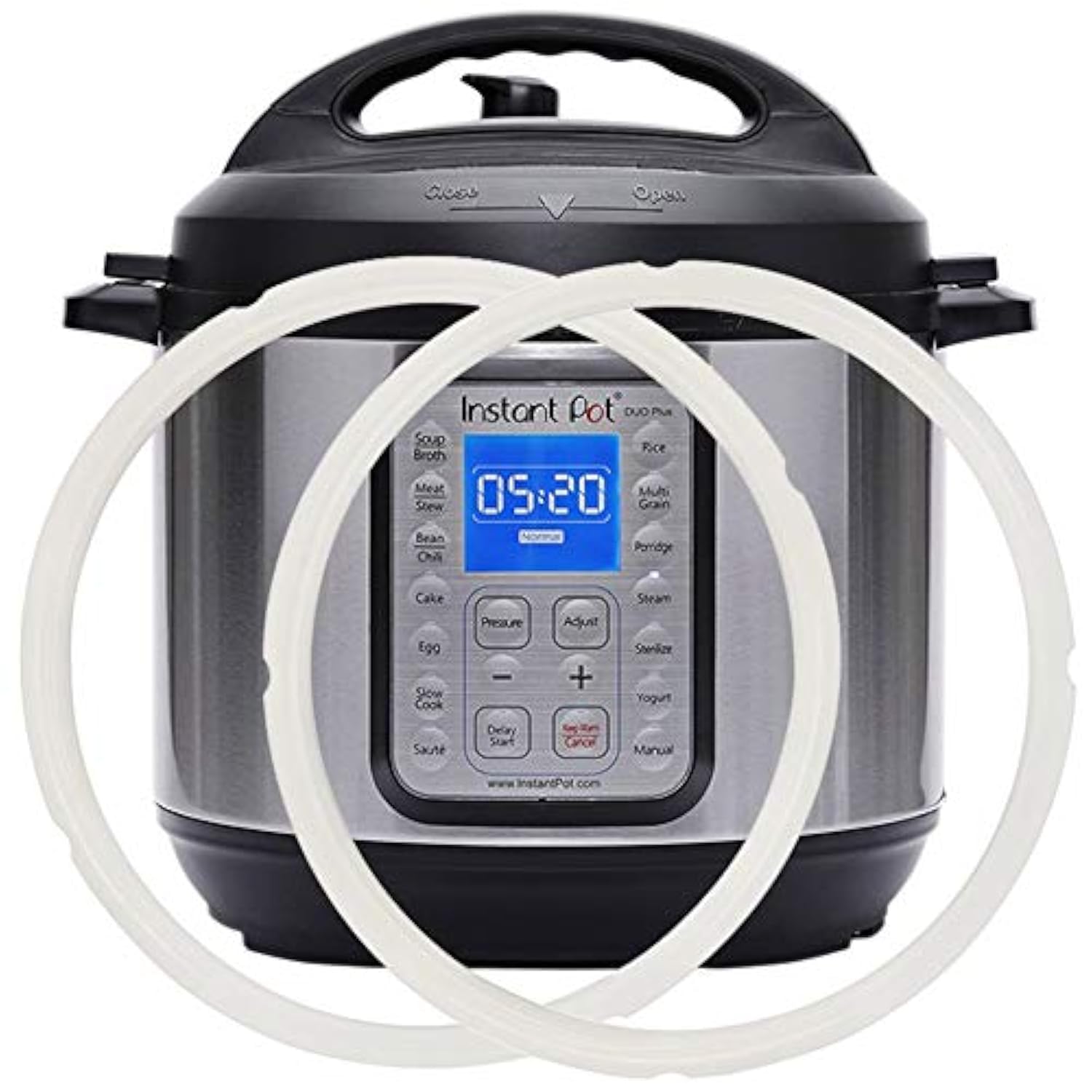
Silicone Sealing Ring 6qt for Instant Pot Sealing ring for 6 5qt Insta Pot, Sweet and Savory, Food-g
- High-quality product
- Customer favorite
- Best value option
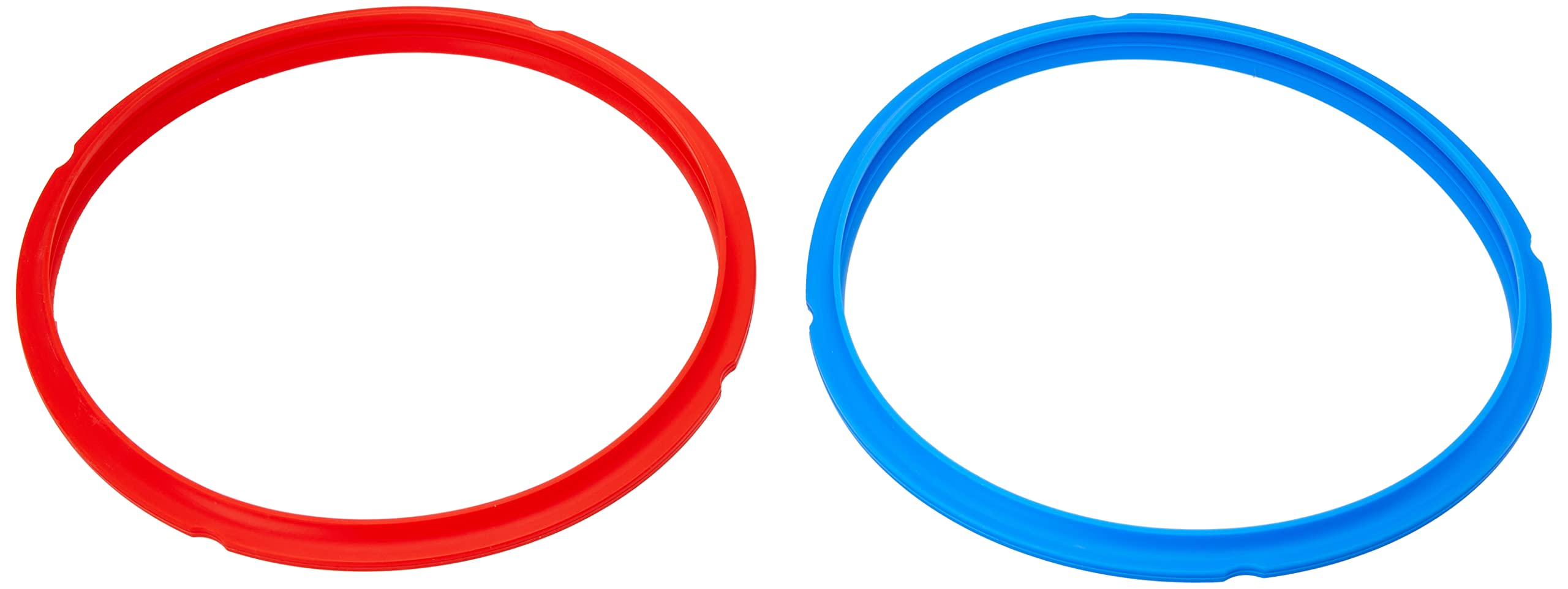
Instant Pot 2-Pack Sealing Ring, Inner Pot Seal Ring, Electric Pressure Cooker Accessories, Non-Toxi
- High-quality product
- Customer favorite
- Best value option
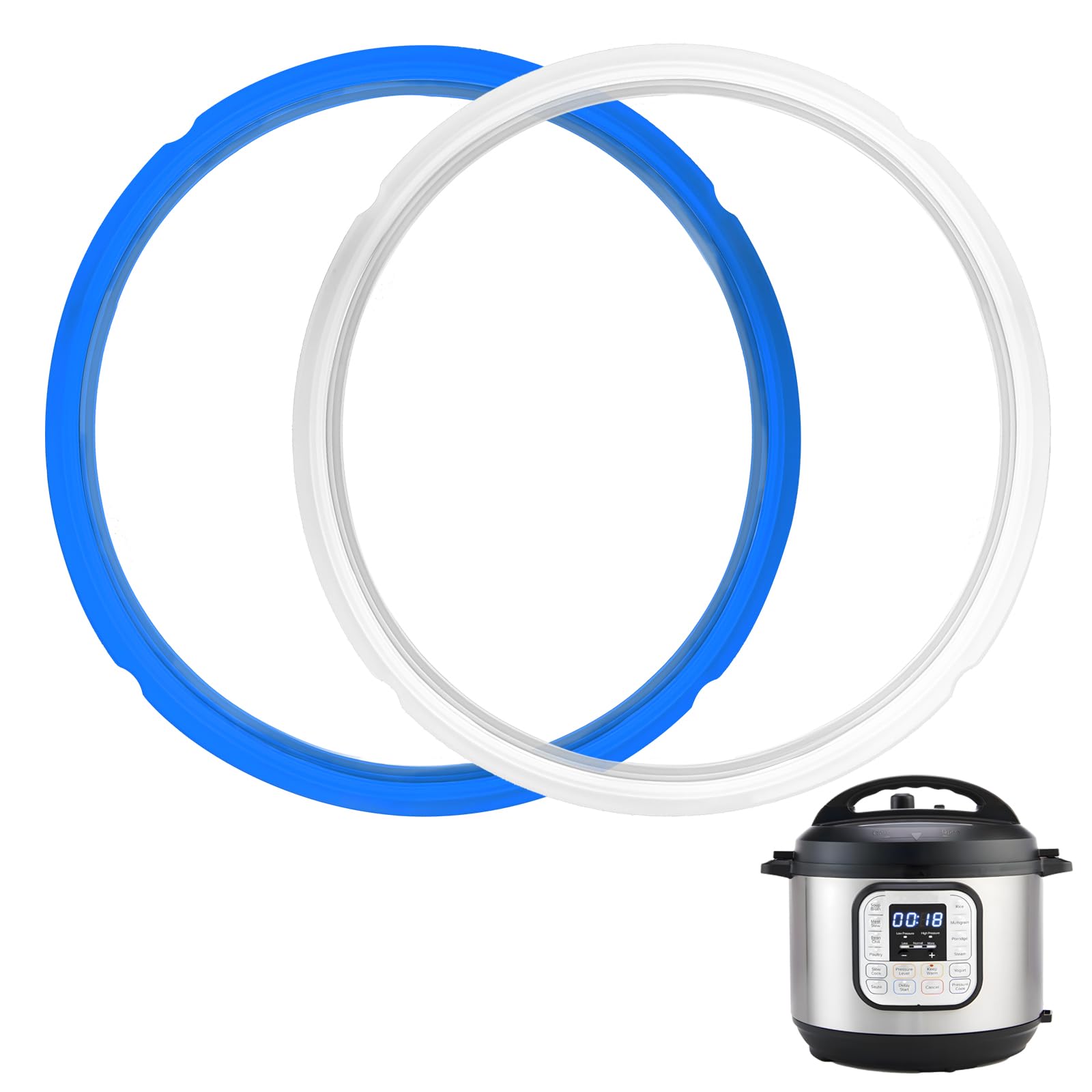
2 Pack Sealing Ring 6qt for Instant Pot Sealing Ring for 6 & 5qt Insta Pot, Food-grade Silicone Seal
- High-quality product
- Customer favorite
- Best value option
Expert Hacks & Maintenance: Pro-Level Ring Care
Once you have secured the correct instant pot sealing ring size, the battle is only half won. Maintenance is what separates the novices from the masters.
The "Sweet and Savory" Strategy
Silicone is notoriously difficult to deodorize once it absorbs the aromatic compounds of onions, garlic, and spices. To prevent your cheesecake from tasting like yesterday’s beef bourguignon, experts use a color-coded system. Use a clear or white ring for neutral and sweet foods (yogurt, cakes, grains) and a red or blue ring for savory dishes (chili, stews, meats).
The Freezer Trick
If your ring has expanded slightly and won't sit snugly in the lid track, place it in the freezer for 15–20 minutes. The cold causes the silicone molecules to contract, temporarily shrinking the ring back to its original factory dimensions. This is a life-saver when you are in the middle of meal prep and the lid won't lock.
Deep Cleaning Protocol
While the dishwasher is "safe," the aggressive detergents can eventually make the silicone brittle. For a deep clean:
- Soak the ring in a 50/50 mixture of white vinegar and warm water for 30 minutes.
- Add a few drops of lemon essential oil or lemon juice to neutralize odors.
- Ensure you clean the track on the lid with a Q-tip. Food debris in the track is just as problematic as a bad ring.
The "Leash" Test
To check if your ring is still viable, perform the "Leash Test." Pull the ring gently. It should snap back to its shape instantly. If it feels gummy, shows visible cracks, or stays slightly stretched out after being pulled, it is time to discard it. A compromised ring is a liability.
Mega FAQ: Everything You Need to Know
1. Does one size fit all Instant Pots?
Absolutely not. You must match the ring to the quart size (3, 6, 8, or 10qt). Using a mismatched instant pot sealing ring size will prevent pressurization.
2. Can I use a 6qt ring in a 5qt Instant Pot?
Yes. The 5-quart and 6-quart models use identical lid diameters and therefore share the same sealing ring.
3. Why is my new sealing ring loose?
A small amount of "play" is normal; the ring is designed to be pushed against the rim by internal pressure. However, if it falls out of the track when you turn the lid over, it is likely the wrong size or poor quality.
4. How often should I replace my sealing ring?
Every 12 to 18 months for regular users. If you use your pot daily, consider replacing it every 6–8 months.
5. Can I use third-party (non-Instant Pot brand) rings?
Yes, provided they are made of high-quality, food-grade silicone and are specifically rated for your model. Check reviews for "fitment" issues.
6. Will a bad sealing ring cause the "Burn" message?
Yes. If steam escapes, the liquid evaporates too quickly, causing the bottom of the pot to overheat and trigger the sensor.
7. My ring smells like onions. Is it ruined?
No, it’s just porous. Use the vinegar soak or the "sunlight method" (leave it in direct sunlight for a day) to dissipate odors.
8. Is it safe to use a ring with a small tear?
No. Even a microscopic tear can expand under 11 PSI of pressure, causing a sudden failure. Replace it immediately.
9. Why does my lid jiggle during cooking?
Small amounts of movement are normal as pressure stabilizes, but excessive jiggling usually indicates the ring isn't seated perfectly in the track.
10. Does the color of the ring matter?
No, the color is purely for the user's organizational benefit (e.g., separating sweet and savory cooking).
11. Can I boil my sealing ring to clean it?
Yes, boiling for 5 minutes in water with a bit of vinegar is an effective way to sanitize and deeply clean the silicone.
12. Does the Instant Pot Max use a different ring?
The Max uses the standard 6-quart ring size, but due to its higher pressure capabilities (15 PSI), it is highly recommended to use official Instant Pot brand rings for this specific model.
Closing Thoughts: The Foundation of Pressure Success
The instant pot sealing ring size is the single most important technical detail in your pressure-cooking journey. It is the difference between a perfectly cooked 20-minute risotto and a frustrating hour spent troubleshooting steam leaks. By understanding the quart-specific dimensions, maintaining a "Sweet vs. Savory" rotation, and replacing your rings proactively, you ensure that your Instant Pot remains the reliable workhorse it was designed to be.
Don't let a $10 silicone part stand between you and culinary excellence. Treat your sealing rings as precision instruments: keep them clean, keep them sized correctly, and always keep a spare in your kitchen drawer. With the right seal, there is no limit to what you can create.