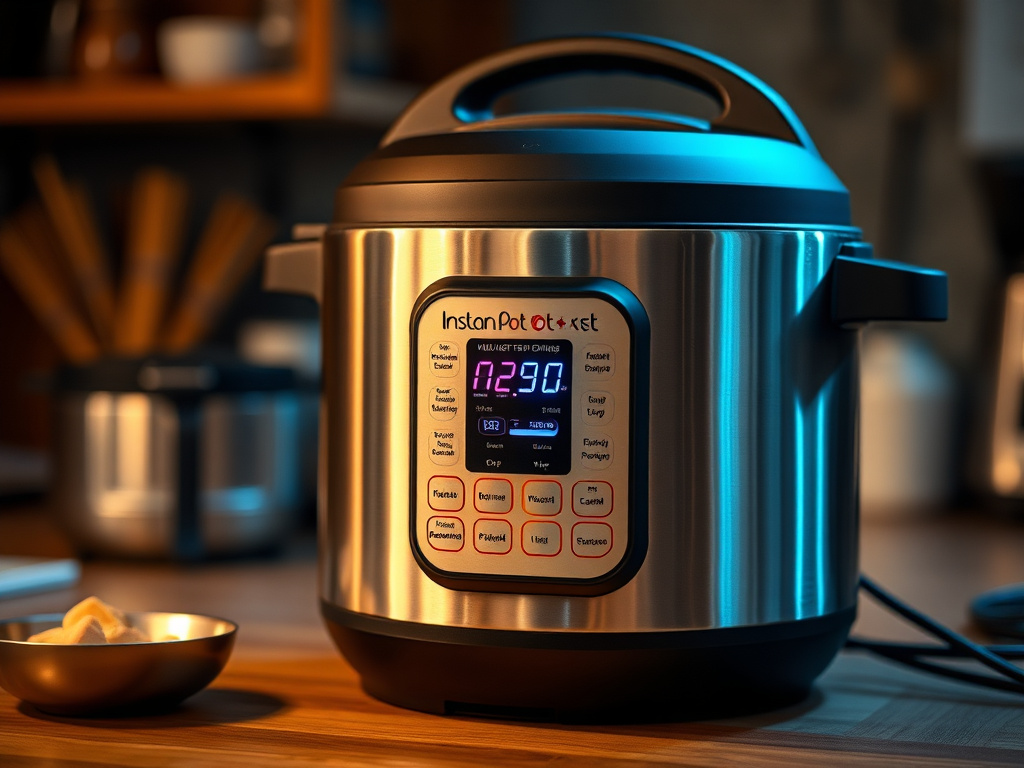
Why is my Instant Pot not sealing during pressure cooking?
The sealing issue occurs when the silicone sealing ring fails to create an airtight barrier between the inner pot and the lid. This prevents pressure buildup, causing the Instant Pot to display “No Pressure” or fail to transition from venting to sealing mode. Over 60% of sealing failures stem from ring misalignment, degradation, or food debris interference.
The sealing ring must sit flush in the lid groove without twists or gaps. If the float valve remains down during operation, steam escapes through the vent, confirming a compromised seal. Immediate inspection of the ring, lid, and valve is required to restore functionality.
How do I check if my Instant Pot sealing ring is damaged?
A damaged sealing ring exhibits visible cracks, warping, or permanent deformation. Stretch the ring gently—if it snaps back slowly or tears, replacement is necessary. Odor retention (e.g., garlic or curry smells even after washing) indicates material breakdown, reducing elasticity and sealing performance.
Test the ring by reinstalling it and running a water-only pressure cycle. If steam leaks from the lid seam or the float valve fails to rise, the ring is faulty. For detailed guidance on identifying wear patterns, see our comprehensive guide on [INTERNAL_LINK: "how to inspect Instant Pot sealing rings" → "instant-pot-sealing-ring-maintenance"].
What causes food debris to prevent Instant Pot from sealing?
Food particles lodged in the sealing ring groove, float valve channel, or anti-block shield obstruct the lid’s ability to close tightly. Starchy liquids like rice or pasta can harden in crevices, creating gaps that allow steam escape. Grease buildup on the rim of the inner pot also disrupts surface contact.
Clean all components after every use with warm soapy water and a soft brush. Pay special attention to the float valve stem and the underside of the lid. A clogged steam release valve may mimic sealing failure—ensure it moves freely. For stubborn residues, soak parts in vinegar solution to dissolve mineral deposits.
How do I properly install the sealing ring to ensure a tight seal?
Remove the old ring by pulling it upward from the lid groove. Align the new ring’s seam with the notch on the lid handle, then press it evenly into the channel until fully seated. Avoid twisting or folding—the ring should lie flat without bulges.
After installation, perform a dry run: Add 1 cup of water, close the lid, set to sealing, and start a 2-minute pressure cook cycle. If the float valve rises and holds pressure, the seal is correct. Misaligned rings are the leading cause of “Instant Pot won’t seal” errors reported in user forums.
Why does my Instant Pot say “Venting” instead of “Sealing”?
The “Venting” status indicates the steam release valve is stuck in the open position or the float valve is obstructed. When the valve remains venting, steam escapes continuously, preventing pressure accumulation. This often results from food residue jamming the valve mechanism or incorrect manual positioning before closing the lid.
Turn off the unit, allow it to cool, and manually move the steam release valve to the “Sealing” position. Check that the float valve moves up and down freely—clean any debris with a toothpick. If the valve still won’t stay sealed, inspect the lid locking mechanism for misalignment.
Which Instant Pot models are most prone to sealing issues?
The Duo and Duo Nova series report higher sealing failure rates due to frequent use and thinner sealing ring designs. Older models (pre-2019) often suffer from ring hardening over time, while newer Ultra and Pro units feature improved lid geometry but remain vulnerable to user error.
Model-specific quirks exist: The Duo Crisp requires dual sealing rings for air frying and pressure cooking modes. Always verify compatibility when replacing parts. For troubleshooting model-specific errors, refer to our detailed breakdown at [INTERNAL_LINK: "Instant Pot model comparison and common issues" → "instant-pot-model-troubleshooting"].
When should I replace my Instant Pot sealing ring?
Replace the sealing ring every 6–12 months under regular use, or immediately if odors persist after cleaning. High-acid foods (tomatoes, citrus) accelerate silicone degradation. Signs include loss of flexibility, surface stickiness, or failure to hold pressure despite proper installation.
Using multiple rings for sweet and savory dishes extends lifespan by preventing cross-contamination and odor transfer. Purchase food-grade silicone replacements—avoid generic brands that may contain fillers affecting performance. For sourcing reliable replacements, see our guide on [INTERNAL_LINK: "best Instant Pot sealing ring brands" → "instant-pot-accessories-buying-guide"].

Silicone Sealing Ring 6qt for Instant Pot Sealing ring for 6 5qt Insta Pot, Sweet and Savory, Food-g
- High-quality product
- Customer favorite
- Best value option

Instant Pot Duo 7-in-1 Electric Pressure Cooker, Slow Cooker, Rice, Steamer, Sauté, Yogurt Maker, Wa
- High-quality product
- Customer favorite
- Best value option

Instant Pot 2-Pack Sealing Ring, Inner Pot Seal Ring, Electric Pressure Cooker Accessories, Non-Toxi
- High-quality product
- Customer favorite
- Best value option
How do I clean the float valve to fix sealing problems?
Remove the float valve by unscrewing the nut beneath the lid or gently prying it out with pliers. Soak it in warm vinegar for 15 minutes to dissolve mineral deposits. Use a pipe cleaner or thin wire to clear the central channel where steam flows.
Reinstall the valve ensuring it moves freely up and down. A stuck float valve cannot rise to block the vent, causing continuous steam leakage. After cleaning, test with a short pressure cycle to confirm the valve seals properly.
What should I do if my Instant Pot lid won’t lock when sealing?
A non-locking lid indicates misalignment between the inner pot and the housing or a deformed lid rim. Ensure the inner pot is fully seated in the base and not tilted. Check for warping by placing the lid on a flat surface—gaps suggest damage.
If the lid locks intermittently, inspect the locking pins for wear. Over-tightening during cleaning can bend components. Never force the lid closed—this damages the hinge mechanism. Replace the lid assembly if warping persists.
Frequently Asked Questions About Instant Pot Not Sealing
Why does my Instant Pot leak steam from the sides?
Steam leakage from the lid seam confirms a failed seal, usually due to a damaged or misinstalled sealing ring. Inspect the ring for cracks and ensure it sits flat in the groove.
Can I use my Instant Pot if the float valve is stuck?
No. A stuck float valve prevents pressure buildup and poses a safety risk. Clean or replace the valve immediately.
Is it safe to cook with a worn sealing ring?
No. Worn rings compromise pressure integrity, leading to undercooked food or sudden depressurization. Replace at first sign of degradation.
Do I need different sealing rings for different foods?
Yes. Dedicated rings for sweet and savory dishes prevent flavor transfer and extend ring life.
How often should I deep-clean my Instant Pot lid?
Deep-clean the lid, including the float valve and anti-block shield, monthly or after cooking starchy or acidic foods.
Can hard water cause sealing issues?
Yes. Mineral buildup from hard water clogs the float valve and steam release channels. Use vinegar soaks quarterly to prevent scaling.
Why won’t my Instant Pot reach high pressure?
Insufficient liquid (less than 1 cup), a faulty seal, or a clogged steam release valve prevents high-pressure attainment.
Does the inner pot size affect sealing?
No. Sealing depends on lid components, not pot size—but always use the correct pot for your model.
Can I substitute third-party sealing rings?
Only use food-grade silicone rings rated for pressure cooking. Inferior materials may melt or degrade.
Why does my Instant Pot seal intermittently?
Intermittent sealing suggests debris in the float valve or a partially warped sealing ring. Clean thoroughly and test.
Should I lubricate the sealing ring?
No. Silicone rings require no lubrication—oil attracts food particles and degrades the material.
What if my Instant Pot seals but won’t cook?
Check the heating element and power supply. A functional seal with no cooking indicates an electrical fault.
How do I reset my Instant Pot after a sealing error?
Unplug the unit for 10 minutes to reset the control board. Reassemble all parts correctly before restarting.
Instant Pot sealing failures are preventable through routine maintenance, proper installation, and timely part replacement. Addressing issues early ensures consistent performance and extends appliance lifespan. Always prioritize OEM or certified replacement parts for safety and reliability.