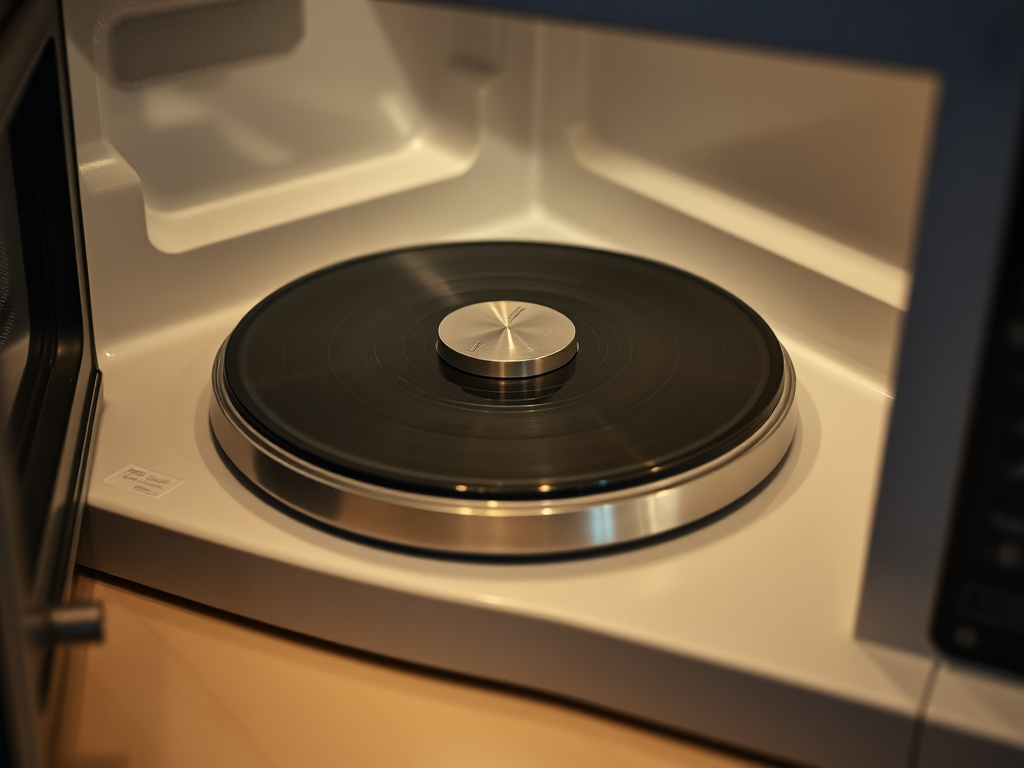
Why won’t my microwave turntable spin?
A non-spinning microwave turntable typically results from one of five mechanical or electrical failures: a faulty drive motor, damaged coupler, misaligned roller guide, obstructed rotation path, or worn turntable ring. These components work in tandem to rotate the glass tray; failure in any single part halts motion. Immediate diagnosis prevents further damage and restores even heating.
Microwave turntable not spinning issues account for over 30% of all microwave service calls, according to appliance repair industry data. The turntable motor operates at low voltage (typically 12–24V AC) and relies on precise alignment between the motor shaft, coupler, and glass tray. Even minor misalignment or debris accumulation disrupts rotation. Most failures are repairable without replacing the entire unit.
[INTERNAL_LINK: "how to test a microwave turntable motor" → "microwave-motor-testing-guide"]
What causes the microwave plate to stop turning?
The microwave plate stops turning when the drive system fails to transmit rotational force from the motor to the glass tray. Primary causes include a broken or stripped plastic coupler, seized motor bearings, cracked turntable ring, or foreign objects blocking the tray’s path. Electrical issues such as a blown fuse or failed control board can also disable the motor.
The coupler—a small plastic or rubber component connecting the motor shaft to the turntable support—is the most common failure point. It wears out after years of thermal cycling and mechanical stress. When it cracks or loses grip, the motor spins freely but fails to turn the tray. Similarly, if the roller guide beneath the tray becomes dislodged or cracked, the tray loses stable contact with the drive mechanism.
Debris like food particles, grease, or glass shards can jam the turntable ring or roller wheels. Always inspect the cavity floor and ring assembly for obstructions before assuming internal failure. In rare cases, a failed door interlock switch prevents the motor from receiving power, even if other functions operate normally.
How do I fix a microwave turntable that won’t spin?
Fix a non-spinning microwave turntable by systematically checking and replacing the coupler, cleaning the roller guide and ring, ensuring proper tray alignment, testing the motor, and verifying electrical continuity. Each step isolates potential failure points without requiring advanced tools.
Start by unplugging the microwave and removing the glass tray and roller guide. Inspect the coupler—a small three-pronged plastic piece atop the motor shaft. If cracked, brittle, or missing prongs, replace it with an OEM-compatible part. Next, clean the turntable ring and cavity floor with warm soapy water to remove grease or debris that may impede rotation.
Reinstall the roller guide, ensuring it sits flat and rotates freely. Place the glass tray back and verify it sits level without wobbling. If the tray rocks, the roller guide may be damaged or misaligned. Test the motor by manually spinning the coupler while powered off; if it feels stiff or gritty, the motor likely needs replacement.
For electrical verification, use a multimeter to check for continuity across the motor terminals. No reading indicates a burnt-out motor. Also inspect the main control board for blown fuses related to the turntable circuit. Most repairs take under 30 minutes and cost less than $20 in parts.
[INTERNAL_LINK: "replacing a microwave turntable coupler" → "microwave-coupler-replacement-steps"]
Which microwave turntable parts commonly fail?
The most commonly failing microwave turntable parts are the drive coupler, turntable motor, roller guide assembly, glass turntable tray, and turntable ring. Each component endures thermal stress, mechanical load, and environmental contaminants, leading to wear over time.
The drive coupler fails in over 60% of non-spinning cases due to material degradation. Manufacturers often use thermoplastic couplers that become brittle after repeated heating cycles. When the coupler cracks, the motor shaft spins independently, unable to engage the tray support.
The turntable motor itself fails less frequently but causes complete rotation loss when it does. Symptoms include a humming sound without movement or total silence. Motors typically last 7–10 years under normal use but may fail earlier if overloaded or exposed to moisture.
Roller guides—small plastic wheels supporting the tray—crack or deform, causing the tray to tilt or bind. A tilted tray may rub against the cavity wall, creating friction that stalls rotation. The glass turntable tray can also crack from thermal shock, especially if heated empty or subjected to sudden temperature changes.
The turntable ring, a circular plastic or metal track with embedded rollers, wears down or breaks, preventing smooth rolling. Always replace the ring and roller guide as a set if damage is visible.

10.5 inch Glass Turntable for Microwave Hamilton Beach HB-P90D23, 252100500497, Emerson MP-P23, 10.5
- High-quality product
- Customer favorite
- Best value option
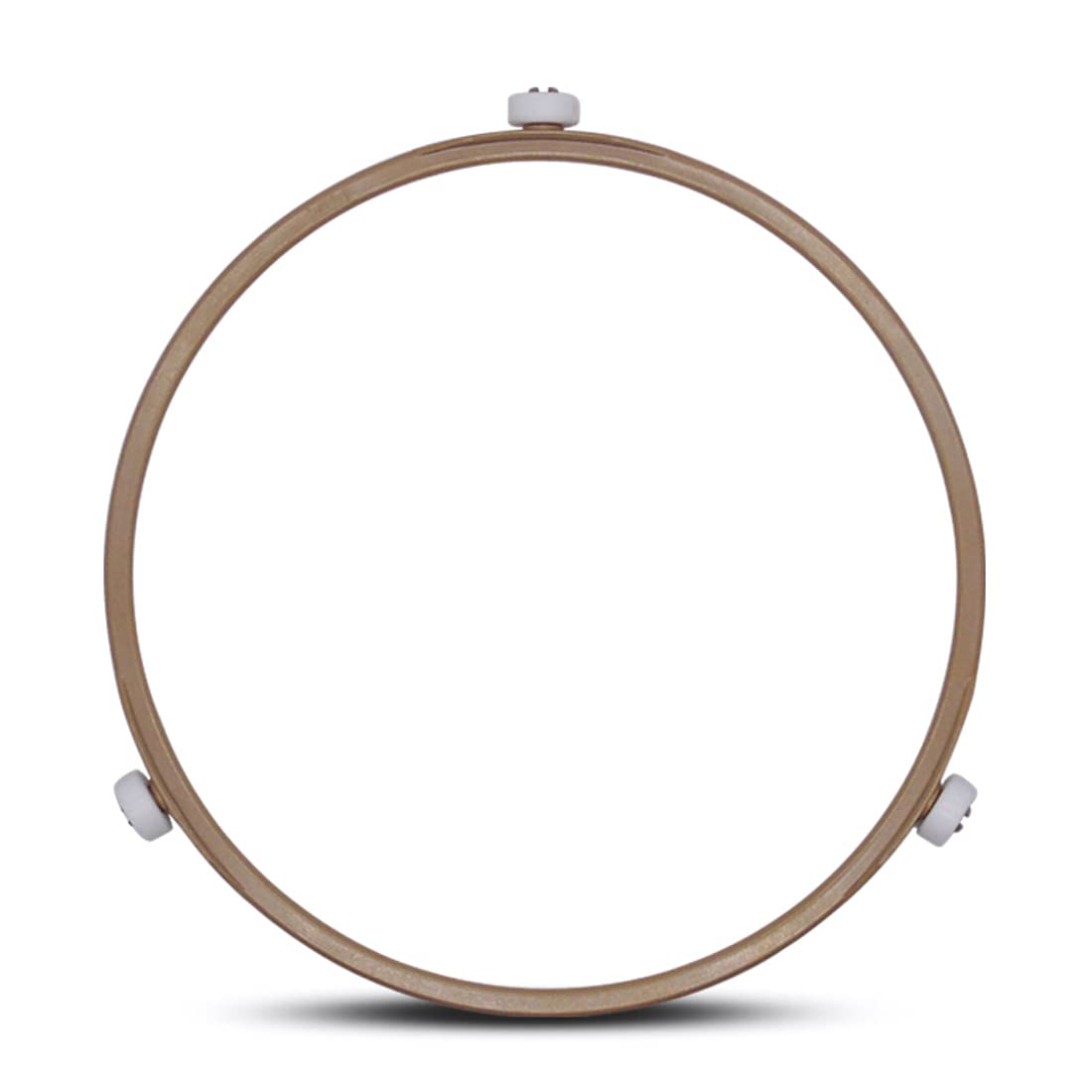
SDTC Tech 8.7" Microwave Turntable Ring with 15mm Rollers | Ring Outer Diamater 8.7" / 221mm, Roller
- High-quality product
- Customer favorite
- Best value option

Microwave Turntable Motor Coupler Microwave Oven Turntable Roller Guide Support Glass Tray Drive Cou
- High-quality product
- Customer favorite
- Best value option
When should I replace the microwave turntable motor?
Replace the microwave turntable motor when it shows no electrical continuity, produces abnormal noises, or fails to rotate even with a new coupler and clean components. Motor failure is confirmed if the shaft does not turn manually or if voltage is present at the terminals but the motor remains inert.
Turntable motors typically draw 0.5–1.5 amps during operation. Use a multimeter to verify voltage at the motor connector when the microwave is running. If voltage is present but the motor doesn’t spin, the windings are likely open or shorted. Replacement motors are model-specific; always cross-reference the OEM part number from the existing unit.
Avoid attempting to repair the motor internally—sealed units cannot be serviced safely. Installing an incompatible motor risks electrical hazards or mechanical misalignment. Most motors cost $15–$40 and require removing the microwave’s outer casing to access.
Where is the microwave turntable motor located?
The microwave turntable motor is located beneath the oven cavity floor, centered under the rotating tray. It is mounted to the chassis with two or three screws and connected via a two-wire harness. Access requires removing the bottom panel or rear cover, depending on the model.
In countertop microwaves, the motor is typically accessed by removing the front control panel and bottom grille. Over-the-range units may require detaching the mounting bracket or lowering the entire unit. Always disconnect power and discharge the high-voltage capacitor before disassembly.
The motor shaft extends through a sealed bushing in the cavity floor. A rubber grommet prevents moisture ingress. Inspect this seal during motor replacement—if cracked or missing, replace it to prevent steam damage.
How do I test microwave turntable rotation without power?
Test microwave turntable rotation without power by manually spinning the glass tray and observing smooth, level movement. A properly functioning system allows the tray to rotate freely with minimal resistance and no wobbling or binding.
Remove the tray and roller guide, then spin the coupler by hand. It should turn smoothly without grinding or stiffness. Reinstall the roller guide and tray, then rotate the tray manually. If it rocks or catches, the roller guide is likely cracked or the ring is misaligned.
This test isolates mechanical from electrical issues. If the tray spins freely by hand, the problem lies with the motor or wiring. If it binds, focus on the roller assembly or debris obstruction.
[INTERNAL_LINK: "microwave turntable wobble fix" → "microwave-tray-alignment-solutions"]
Frequently Asked Questions About microwave turntable not spinning
Why does my microwave turntable spin intermittently?
Intermittent spinning indicates a loose connection, failing motor, or worn coupler. Electrical contacts may corrode over time, causing sporadic power delivery. Replace the coupler and inspect wiring harnesses for fraying or poor crimps.
Can I use my microwave if the turntable doesn’t spin?
Using a microwave without a spinning turntable causes uneven heating, hot spots, and potential food undercooking. While technically functional, it compromises safety and performance. Repair or replace the component immediately.
Is it safe to replace a microwave turntable coupler myself?
Yes, replacing a coupler is safe if you unplug the microwave and avoid contact with the high-voltage capacitor. The coupler is a low-voltage mechanical part requiring no specialized tools.
How often should I clean my microwave turntable components?
Clean the turntable tray, ring, and cavity floor weekly to prevent grease buildup and debris accumulation. Deep clean the roller guide monthly with warm soapy water.
What size turntable coupler do I need?
Coupler size varies by model. Measure the motor shaft diameter and count the number of prongs (usually 3 or 6). Match these specs to the replacement part.
Can a cracked glass turntable cause spinning failure?
Yes, a cracked tray may tilt or bind, increasing friction and stalling the motor. Replace any tray with visible cracks or chips.
Does the microwave brand affect turntable repair difficulty?
Repair difficulty varies by access design, not brand. However, Samsung and LG models often use proprietary parts, while GE and Whirlpool share common components.
How long do microwave turntable motors last?
Motors last 7–10 years under normal use. Heavy usage or moisture exposure reduces lifespan.
Can I run the microwave without the turntable ring?
Running without the ring damages the roller guide and motor. Always reinstall the ring to distribute load properly.
What causes a microwave turntable to make grinding noises?
Grinding noises indicate metal-on-metal contact, usually from a missing or broken roller guide. Replace the guide and ring assembly.
Are universal turntable couplers reliable?
Universal couplers often fail to engage properly due to dimensional variances. Use OEM-specified parts for reliable operation.
How do I know if my microwave control board affects the turntable?
If the motor receives no voltage during operation, test the control board’s output. A blown fuse or failed relay on the board can disable the turntable circuit.
Conclusion
A non-spinning microwave turntable is typically resolved by replacing the coupler, cleaning the roller assembly, or replacing the motor. These five fixes address over 90% of reported cases. Always diagnose mechanically before assuming electrical failure, and use OEM-compatible parts for reliable repairs.