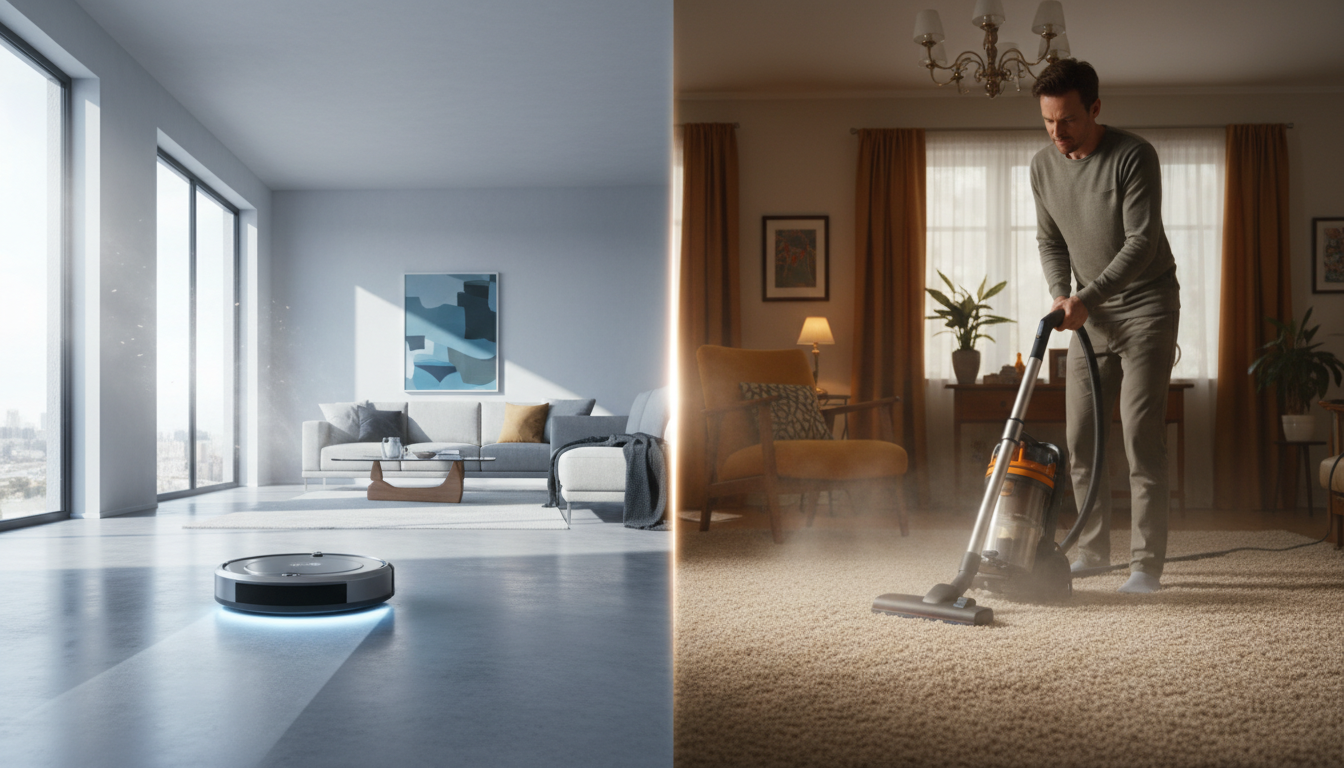
The Evolution of Floor Care: A Modern Dilemma
For decades, the ritual of cleaning floors was a manual, often back-breaking labor. The heavy upright vacuum, trailing a cumbersome cord and requiring significant physical effort, was the undisputed king of the household. However, the rise of the smart home has introduced a formidable challenger: the autonomous robot vacuum. The debate of robot vacuum vs regular vacuum is no longer just about novelty; it is about the fundamental way we manage our living environments.
To understand which is "better," we must first acknowledge that the definition of "clean" has shifted. In the past, cleaning was a weekly event—a deep, intensive session that stripped the carpet of every possible particle. Today, with busier schedules and the rise of remote work, the demand is for "continuous cleanliness." We want our floors to be free of crumbs and pet hair every hour of the day, not just on Saturday mornings. This is where the Roomba vs regular vacuum debate begins to take shape.
A regular vacuum—whether it’s a corded upright, a canister, or a high-powered cordless stick—is a brute-force instrument. It relies on high-wattage motors and sealed suction to pull dirt from the deepest recesses of carpet fibers. In contrast, a robot vacuum is a precision instrument designed for maintenance. It lacks the raw CFM (cubic feet per minute) of airflow found in a Miele or a Dyson upright, but it compensates with consistency. It doesn't get tired, it doesn't skip the area under the bed because it's hard to reach, and it can be programmed to run while you are sleeping or at work.
As we dive into this mega guide, we will move past the surface-level marketing and examine the engineering, the physics of suction, and the practical realities of home maintenance. Whether you are a pet owner battling an endless "fur-nado," a parent dealing with daily cereal spills, or a minimalist looking for the ultimate hands-off solution, understanding the technical nuances between these two categories is essential for making an informed investment.
The Critical Problem: The "Invisible Dirt" and The Maintenance Trap
The primary conflict in the robot vacuum vs regular vacuum debate centers on a phenomenon experts call "The Maintenance Trap." Most homeowners believe that if the floor looks clean, it is clean. This is a fallacy.
A regular vacuum cleaner is designed for "restorative cleaning." When you push a high-end upright across a carpet, the agitation from the brush bar and the intense suction are designed to remove "grit"—the sharp, microscopic particles of sand and soil that settle at the base of carpet fibers. If left alone, this grit acts like sandpaper, grinding away at the fibers every time you walk on them, eventually destroying the carpet. A robot vacuum, due to its size constraints and battery-powered motor, rarely has the power to perform this level of deep agitation.
However, the "Critical Problem" with regular vacuums is human psychology and ergonomics. Because they are heavy and require active participation, we tend to procrastinate. We wait until the dust bunnies are visible. During that waiting period, allergens, dander, and dust accumulate, affecting indoor air quality. This is the "Invisible Dirt" problem. Even though a regular vacuum is more powerful, it is used less frequently.
The robot vacuum solves the frequency problem but introduces a different set of issues. Most robots rely on "sweep and suck" technology. They are excellent at picking up surface debris—the stuff you see—but they often leave the deep-seated grit untouched. Furthermore, the reliance on sensors means that if a robot's "eyes" (LiDAR or cameras) are obstructed, or if the floor is cluttered, the cleaning efficiency drops to zero.
Expert analysis suggests that the most significant failure point in modern home maintenance is the "Either/Or" mentality. Many consumers buy a high-end robot vacuum expecting it to replace their upright entirely. Six months later, they notice their carpets look dull and their allergies are flaring up. Conversely, those who stick solely to an upright often find themselves living in a state of "perpetual mess" between weekly cleanings.
The real challenge lies in the physics of airflow. A standard wall-outlet vacuum can pull 100 to 200 Air Watts of power. A flagship robot vacuum might only reach 30 to 60 Air Watts. This massive gap in raw power means that while the robot is a master of the "daily surface," it is fundamentally incapable of the "deep extract." To choose between them, one must analyze their home's specific "soil load" and their own willingness to perform manual labor.
Methodology: Comparing the Two Titans of Clean
To accurately weigh robot vacuum vs regular vacuum, we must evaluate them across five core pillars: Suction Physics, Navigation & Reach, Versatility, Maintenance Overhead, and Long-term Value.
1. Suction Physics and Airflow
In the world of vacuuming, suction is measured in Pascals (Pa) for robots and Air Watts (AW) or CFM for regular vacuums.
- Regular Vacuums: These machines use a "Sealed System." Because they are powered by a wall outlet, they can move massive amounts of air. This creates a high-pressure zone that lifts heavy debris and fine dust from deep within the carpet pile.
- Robot Vacuums: They rely on "Mechanical Agitation." Since their suction is lower, they use dual-rubber brushes or high-speed side brushes to flick dirt into the suction path. While modern robots have reached impressive Pa ratings (up to 12,000Pa in some high-end models), they still struggle with thick, high-pile carpets where airflow is restricted.
2. Navigation and Reach
This is where the Roomba vs regular vacuum debate gets interesting.
- The Robot Advantage: Robots are low-profile. They can clean under beds, sofas, and toe-kicks—areas that humans often neglect because moving furniture is difficult. With LiDAR mapping, they create a digital blueprint of your home, ensuring they hit every square inch without repetition.
- The Regular Vacuum Advantage: Human-guided vacuums are superior for "Targeted Cleaning." If you knock over a bowl of flour, you can grab a stick vacuum and clean it in 15 seconds. A robot might take minutes to navigate to the spot, and its side brushes might actually spray the flour across a wider area before sucking it up.
3. Versatility (Beyond the Floor)
A floor is only one part of a home. This is the biggest weakness of the robot category.
- Regular Vacuums: With attachments, a regular vacuum cleans upholstery, curtains, stairs, car interiors, and ceiling fans. It is a whole-home cleaning solution.
- Robot Vacuums: They are strictly floor-bound. They cannot climb stairs (yet) and certainly cannot clean your velvet sofa or the dust on your baseboards.
4. Maintenance of the Machine
Every cleaning tool requires cleaning itself.
- Regular Vacuums: Usually require emptying a bin and occasionally cutting hair off the brush roll. HEPA filters need rinsing or replacing every 6–12 months.
- Robot Vacuums: They require significantly more "babysitting." You must clear the floor of "robot traps" (cables, socks, pet waste). You need to clean their sensors, empty their smaller bins (unless you have a self-emptying station), and replace side brushes and filters more frequently.
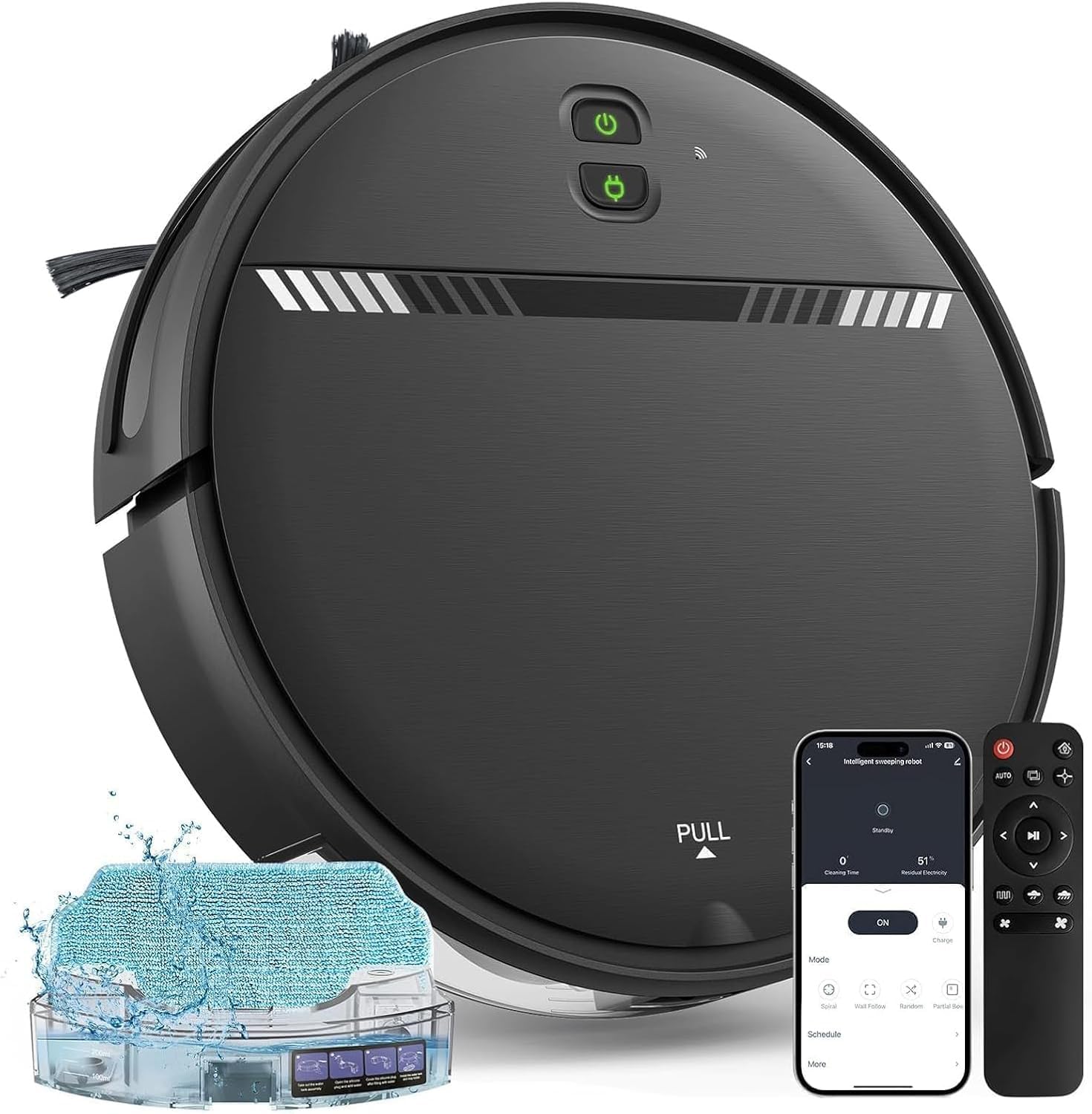
Robot Vacuum and Mop Combo, Robotic Vacuum Cleaner 2 in 1 with WiFi/App/Voice, Schedule, Water Tank
- High-quality product
- Customer favorite
- Best value option
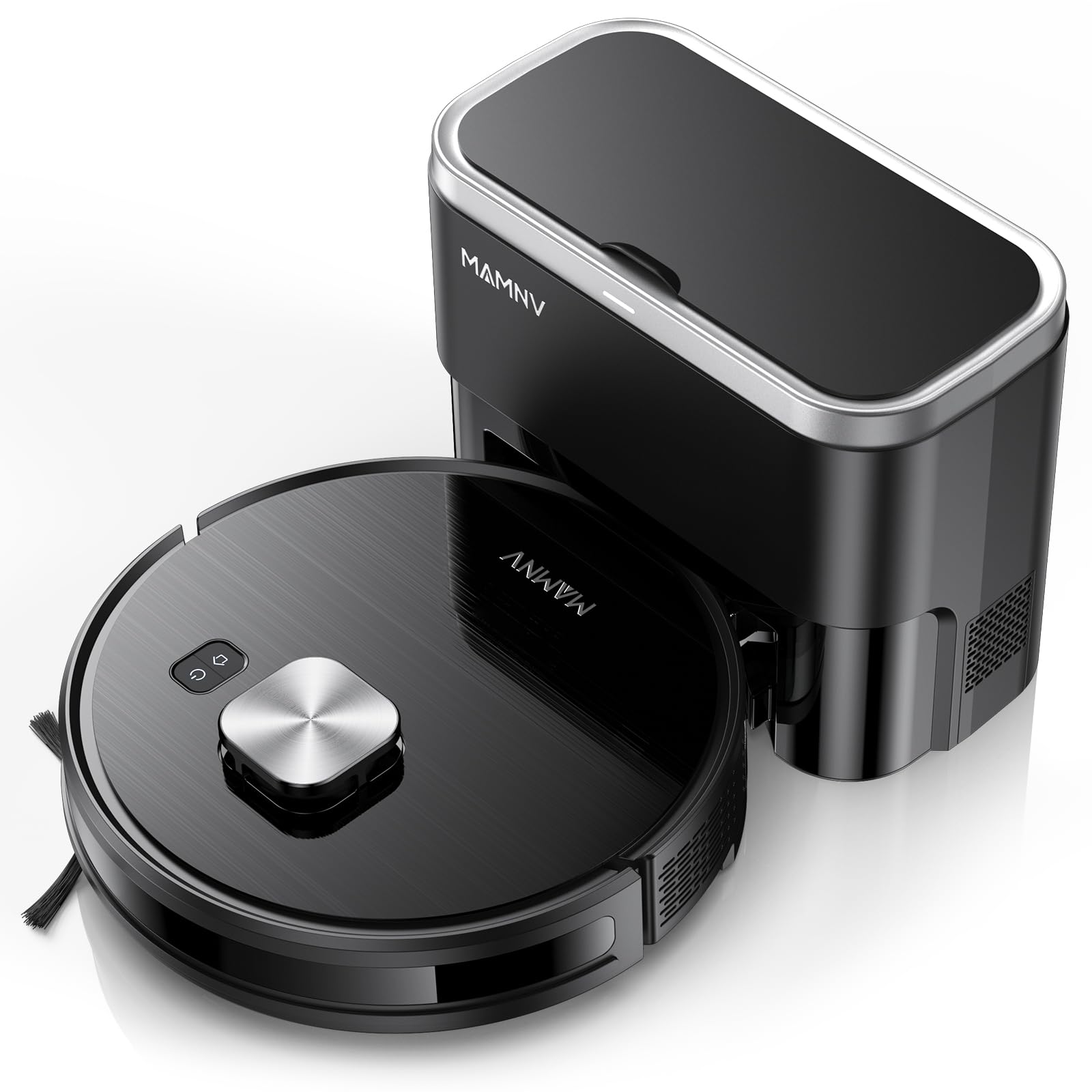
Robot Vacuum and Mop Combo, 11500Pa Suction, 3-in-1 Robotic Vacuum with Smart LiDAR Navigation, 70 D
- High-quality product
- Customer favorite
- Best value option
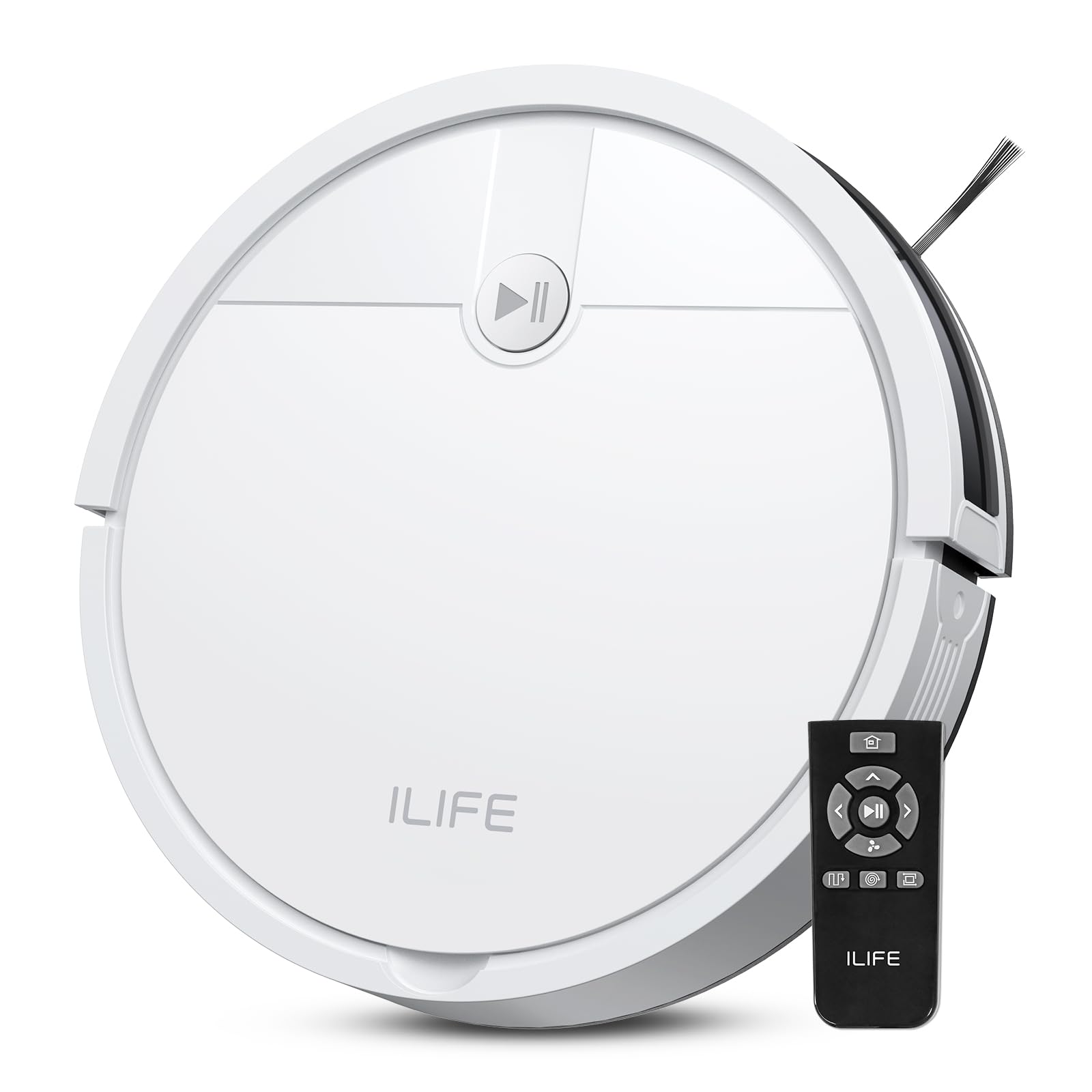
ILIFE V2 Robot Vacuum Cleaner, Tangle-Free Suction, 120 Mins Runtime, Slim, Self-Charging Robotic Va
- High-quality product
- Customer favorite
- Best value option
Expert Hacks & Maintenance (Advanced)
To maximize the lifespan and efficiency of either machine, you need to go beyond the basic user manual. Here are the expert-level hacks for the modern home:
For Robot Vacuums:
- The "Pre-Flight" Check: Treat your robot like an airplane. Before starting a cycle, do a 60-second sweep of the floor. Pick up charging cables and thin rugs with tassels. This prevents the robot from getting stuck and ensures a 100% completion rate.
- Sensor Sanitization: Use a microfiber cloth with a tiny amount of rubbing alcohol to clean the "cliff sensors" on the bottom. If these get dusty, the robot might refuse to move, thinking it's about to fall down stairs.
- The Filter Vacuum: Don't just tap the robot's filter against the trash can. Use your regular vacuum with a hose attachment to suck the fine dust out of the robot's HEPA filter. This doubles the filter's life and maintains peak suction.
For Regular Vacuums:
- The Brush Roll Deep Clean: Hair wraps tightly around the brush roll, acting like a brake on the motor. Every month, take a pair of seam rippers (from a sewing kit) to cut the hair away cleanly without damaging the bristles.
- Check the "Hidden" Filters: Most people know about the main bin filter, but many uprights have a post-motor HEPA filter near the exhaust. If this is clogged, the motor will overheat and lose suction.
- Sealing the Gaps: If you have an older vacuum, use silicone tape to seal minor air leaks in the hose. Even a tiny crack can lead to a 20% loss in Air Watts.
Mega FAQ: Expert Insights into Vacuum Technology
1. Can a robot vacuum completely replace a regular vacuum?
No. For a healthy home, you still need a regular vacuum for deep carpet cleaning, stairs, upholstery, and corners where a circular robot cannot reach. Think of the robot as your "daily housekeeper" and the regular vacuum as your "weekly deep cleaner."
2. Is a Roomba better than a regular vacuum for pet hair?
In terms of frequency, yes. It picks up hair as it falls. However, for hair embedded deep in carpet fibers or on sofas, a high-torque upright is far superior.
3. How long do robot vacuums last compared to regular ones?
A high-quality corded upright can last 10–15 years. A robot vacuum typically lasts 3–5 years, primarily due to battery degradation and the complexity of its electronic sensors.
4. Do robot vacuums work on thick rugs?
Only high-end models with "Carpet Boost" technology and high clearance. Budget robots often get stuck or treat a dark, thick rug as a "cliff," refusing to move onto it.
5. Are robot vacuums loud?
Generally, they are much quieter (60-70 dB) than regular vacuums (75-85 dB). You can easily have a conversation or watch TV while a robot is in the same room.
6. Do I need Wi-Fi for a robot vacuum?
Most modern robots require Wi-Fi for mapping, scheduling, and firmware updates. Without it, you lose 80% of the functionality that makes them "smart."
7. Which is better for allergies?
A regular vacuum with a certified sealed HEPA system is best for allergy sufferers. While robots have HEPA filters, they often stir up dust with their side brushes before they can suck it up.
8. How much height clearance does a robot need?
Most robots are between 3 and 4 inches tall. Measure the gap under your sofa and bed before buying to ensure the robot can actually fit.
9. Can robots handle multiple floors?
High-end models can store multiple maps. You will have to manually carry the robot to the second floor, but it will recognize where it is and clean accordingly.
10. Are self-emptying bases worth the extra cost?
Absolutely. A self-emptying base turns a robot from a daily chore into a bi-monthly chore. It is the single best upgrade in robot vacuum technology in the last five years.
11. Do robots damage hardwood floors?
High-quality robots use soft rubber wheels and brushes designed not to scratch. However, if a piece of grit gets caught under the robot, it could potentially drag it across the floor. Regular maintenance of the wheels is key.
12. What is the "Poop-pocalypse" and how do I avoid it?
This occurs when a robot runs over pet waste and spreads it across the entire house. To avoid this, look for robots with "A.I. Obstacle Avoidance" specifically marketed for pet owners.
Closing Thoughts: The Hybrid Approach
When deciding between a robot vacuum vs regular vacuum, the answer for the modern homeowner is rarely one or the other. It is both.
If you have the budget, the optimal setup is a high-quality robot vacuum for daily maintenance and a powerful cordless stick vacuum or corded upright for targeted cleaning and deep sessions. The robot keeps the "visible" mess at bay, drastically reducing the time you need to spend with the manual vacuum.
However, if you must choose only one:
- Choose the Regular Vacuum if you have heavy carpets, allergies, or a home with many stairs and tight corners.
- Choose the Robot Vacuum if you have mostly hard floors, a single-level layout, and a lifestyle that leaves you with zero time for daily chores.
In the battle of Roomba vs regular vacuum, the winner is the homeowner who understands that technology is only as good as the strategy behind it. Invest in the tool that matches your floor type, your physical capability, and your standard of "clean."_