
The Art of Precision: Why Dyson Vacuum Maintenance is Non-Negotiable
When you invest in a Dyson, you aren't just buying a household appliance; you are acquiring a piece of high-performance fluid dynamics engineering. James Dyson famously went through 5,127 prototypes to perfect the bagless cyclonic vacuum, a feat that revolutionized how we perceive suction and filtration. However, the very complexity that makes a Dyson superior—its digital motors spinning at 125,000 RPM, its 14 concentric cyclones, and its HEPA-grade filtration—also makes it sensitive to neglect. Proper dyson vacuum maintenance is the thin line between a machine that lasts fifteen years and one that loses its edge in two.
Most owners treat their Dyson like a broom—something to be used and then shoved into a closet. But an authority-level understanding of these machines reveals that they are more akin to a high-end sports car. You wouldn't skip an oil change on a Porsche, and you shouldn't skip a filter wash on a V15 Detect. The performance of a Dyson relies on unimpeded airflow. The moment a blockage occurs or a filter becomes saturated with microscopic particulates, the "Root Cyclone" technology begins to struggle. This creates a cascade of mechanical stress: the motor works harder, the battery drains faster due to increased resistance, and the internal temperature rises.
To maintain dyson vacuum units effectively, one must understand the symbiotic relationship between the battery, the motor, and the airflow. If any of these pillars are compromised, the entire system’s efficiency drops. We see countless "broken" Dysons that are simply suffocating under a layer of fine drywall dust or pet dander. This guide is designed to move you beyond the basic "empty the bin" mentality and into a proactive maintenance regimen that preserves the integrity of the motor and maximizes the lifespan of your expensive lithium-ion battery. By following this expert-level protocol, you ensure that your investment continues to deliver the 240+ air watts of suction you paid for.
The Critical Problem: The Silent Killers of Suction
The most significant threat to your Dyson isn't the large debris it picks up; it is the invisible accumulation of "fines"—microscopic dust particles that bypass the initial cyclonic separation. While Dyson’s technology is world-class at separating dust from air, no system is 100% efficient. Over time, these fines settle into the internal gaskets, the motor housing, and the deep pleats of the HEPA filter.
The Thermal Stress Cycle
When you fail to perform regular dyson vacuum maintenance, you trigger a destructive thermal cycle. A clogged filter restricts the volume of air passing over the motor. In most Dyson cordless models, the airflow itself is what cools the digital motor. When airflow is restricted, the motor's operating temperature spikes. While Dyson machines have thermal cut-out switches to prevent immediate melting, repeated exposure to high heat degrades the copper windings in the motor and significantly shortens the life of the battery cells. Heat is the primary enemy of lithium-ion batteries; a vacuum that runs "hot" will see its runtime drop from 60 minutes to 15 minutes in a matter of months.
The Problem with "Invisible" Blockages
Another critical issue is the accumulation of debris in the "U-bend" or the transition points between the wand and the cleaner head. These aren't always total blockages. A partial blockage—perhaps a clump of hair or a stray toothpick—acts as a catalyst for further buildup. This creates turbulence in the airflow, which reduces the "sealing" effect of the cleaner head against the floor. Without that seal, the vacuum cannot create the pressure differential required to pull dust from deep within carpet fibers.
Moisture: The Ultimate Catalyst for Failure
Perhaps the most "expert-level" warning is the danger of moisture. Many users accidentally vacuum up a small damp patch or wash their filters and don't allow them to dry for a full 24 to 48 hours. When moisture enters the cyclone assembly, it turns fine dust into a "sludge" that hardens like concrete. Once this happens, the centrifugal force of the cyclones can no longer separate air from dirt, and the machine’s performance is permanently throttled. Understanding these mechanical vulnerabilities is the first step in shifting your approach to how you maintain dyson vacuum equipment.
Methodology: The Definitive Core Maintenance Guide
To keep your machine in peak condition, you must follow a structured methodology. This isn't about a quick wipe-down; it's about a systematic deep clean of the five core components: the filtration system, the brush bar, the cyclone assembly, the airway paths, and the battery.
1. The Filtration Masterclass
Most modern Dysons (V10, V11, V15, Gen5) use a single, screw-off HEPA filter at the rear. Older models (V6, V7, V8) have a pre-filter and a post-motor filter.
- The Wash: Use only cold, running water. Avoid detergents, which can break down the electrostatic fibers.
- The "Tap" Technique: Before wetting the filter, tap it firmly against the side of a trash can to dislodge "dry" dust. This prevents the dust from turning into mud when it hits the water.
- The 24-Hour Rule: This is non-negotiable. The filter must be bone-dry. Even a hint of dampness can lead to mold growth inside the motor housing, which creates a foul odor that is almost impossible to remove.
2. Restoring the Brush Bar
The cleaner head is where the "work" happens. Hair wrap is the primary cause of motor strain in the cleaner head.
- Removal: Use a coin or the built-in lever to remove the end cap.
- The Cut: Use a pair of shears to cut along the groove provided on the brush bar. Never "pull" the hair off, as this can stress the bearings.
- The Bearings: Check the end of the brush bar for hair that has migrated into the bearing assembly. If left unchecked, this friction will melt the plastic housing.
3. Sanitizing the Bin and Shroud
The clear bin is more than just a container; it's part of the airflow path.
- The Shroud: Use a dry microfiber cloth or a soft-bristled brush to clean the metal mesh shroud. If these holes are blocked, the cyclonic action fails.
- The Seals: Inspect the rubber gaskets at the top and bottom of the bin. If they are coated in dust, wipe them with a damp cloth to ensure an airtight seal.
4. Airway Audits
Every connection point—from the wand to the motor inlet—is a potential failure point.
- The "Drop Test": Drop a coin through the wand. If it doesn't fall out the other side, you have a partial blockage.
- The Inlet Flap: Inside the main body, where the wand connects, there is often a small rubber flap. Ensure this moves freely and isn't stuck open by a piece of debris.
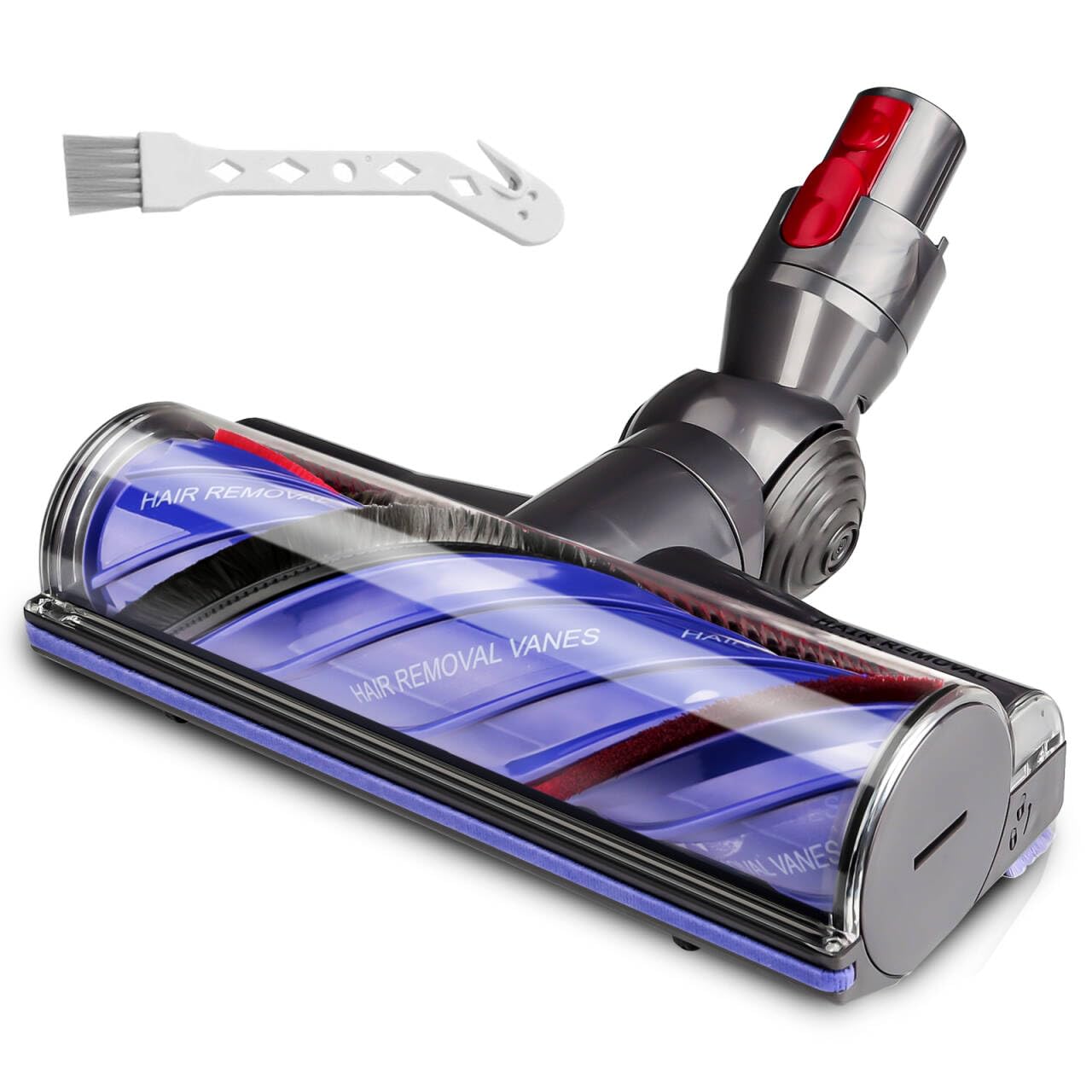
Lemige V8 V11 Vacuum Attachments Head Replacement Parts for Dyson V7 V8 V11 V15 Animal V10 Cyclone C
- High-quality product
- Customer favorite
- Best value option
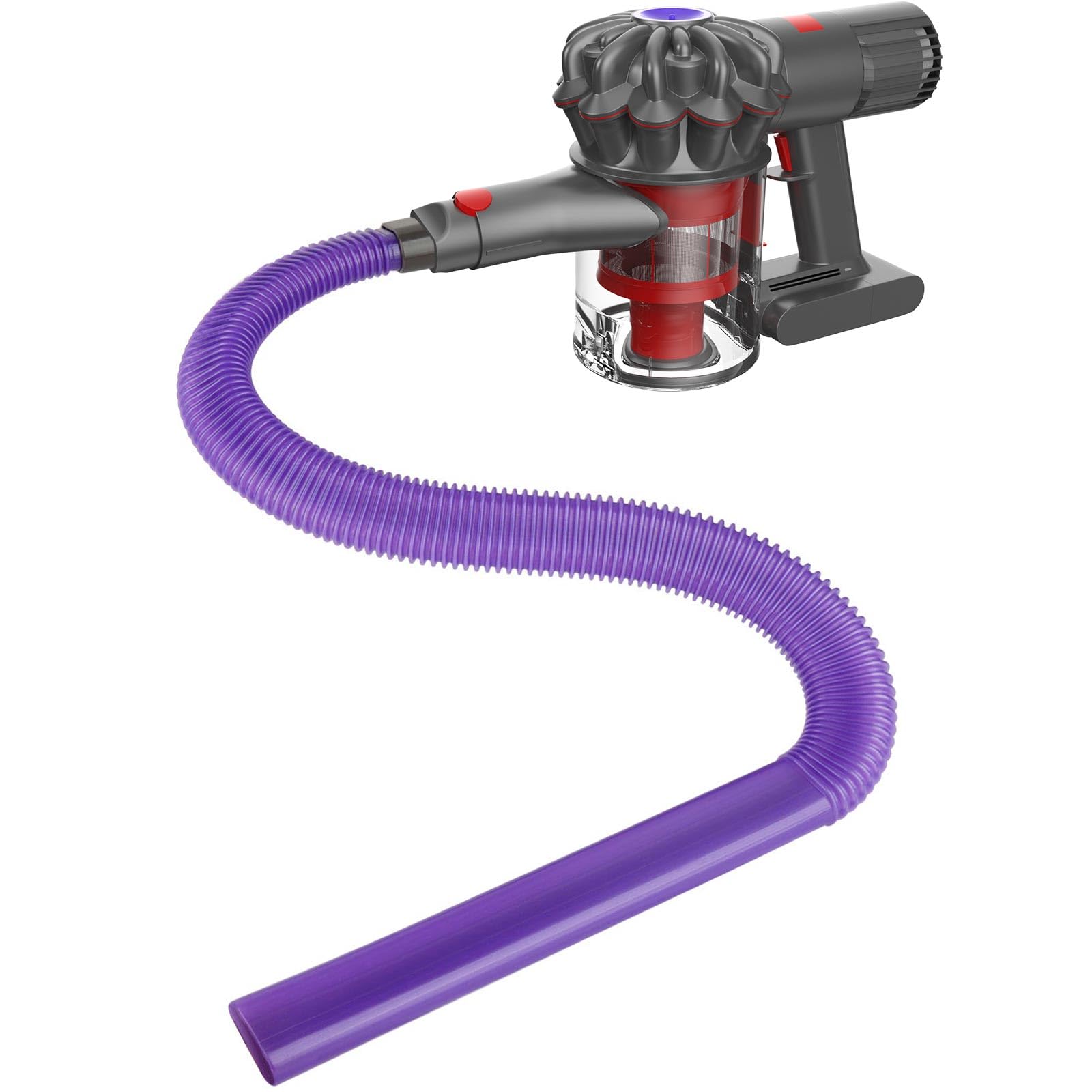
Sealegend Dryer Lint Vacuum Attachment Compatible with Dyson V15 V12 V11 V10 V8 V7 Gen5 Cordless Vac
- High-quality product
- Customer favorite
- Best value option
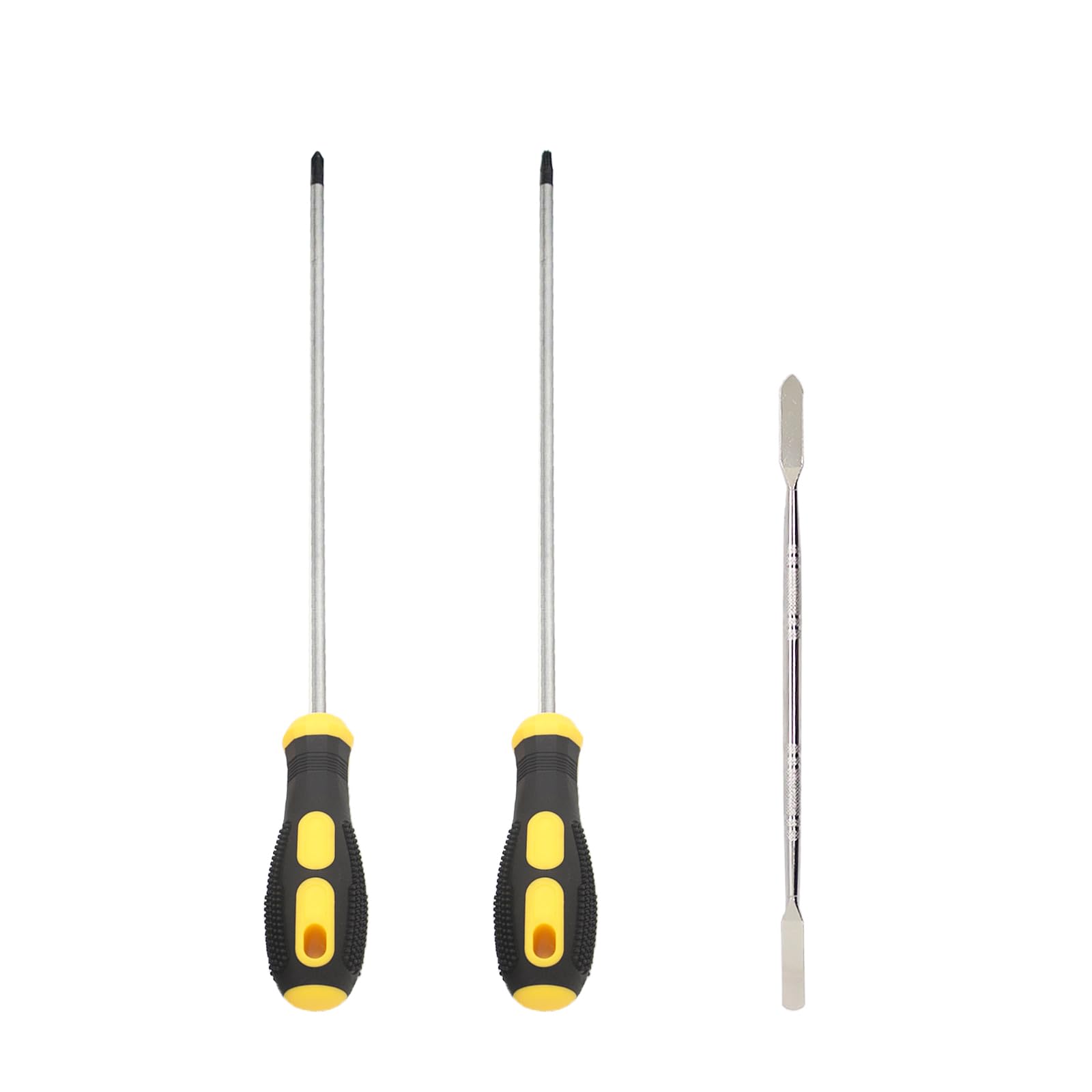
Special Tools made for Dyson V6 V7 V8 V10 V11 V15 Vacuum Cleaners Maintenance, Cleaning and Repair C
- High-quality product
- Customer favorite
- Best value option
Expert Hacks & Advanced Maintenance
For those who want to take their dyson vacuum maintenance to the professional level, these advanced hacks will help you maintain a "factory-fresh" feel for years.
The Compressed Air Blowout
Every six months, take the main body of your Dyson outside. Use a can of compressed air (or a dedicated electronic blower) to blow air through the cyclone inlets. You will be shocked at the plume of fine dust that escapes. This dust is what eventually causes the "musty" smell associated with older vacuums. By clearing the internal cyclone chambers, you restore the original centrifugal efficiency of the machine.
O-Ring Lubrication
The rubber seals on the bin and the wand connections can become dry and brittle over time, leading to micro-leaks in suction. A tiny amount of silicone-based lubricant (ensure it is plastic-safe) applied to these O-rings will maintain a perfect vacuum seal and make it much easier to open and close the bin.
Battery Longevity Strategy
To maintain dyson vacuum battery health, avoid the "Max" or "Boost" mode for everyday cleaning. Boost mode draws massive current from the lithium cells, generating internal heat that degrades their chemistry. Use "Auto" or "Eco" mode for 90% of your cleaning. Furthermore, try not to store the vacuum on the charger in a very hot room (like a laundry closet with a running dryer).
Electrical Contact Cleaning
If your brush bar is pulsing or cutting out, it is often not a motor failure but a contact issue. Use a cotton swab and a drop of isopropyl alcohol to clean the silver metal contact pins where the wand connects to the body and where the cleaner head connects to the wand. Dust buildup here can increase resistance and trick the vacuum into thinking the head is blocked.
Mega FAQ: Expert Solutions for Dyson Owners
1. Why is my Dyson pulsing or making a "woop-woop" sound?
This is the electronic safety mechanism telling you there is an airflow restriction. It is intentionally "pulsing" to prevent the motor from overheating. Check the filter first, then the wand for blockages.
2. How often should I actually wash the filter?
Dyson recommends once a month, but if you have pets or high-traffic areas, every two weeks is the "authority" recommendation.
3. Can I use a hairdryer to speed up filter drying?
Absolutely not. The intense heat can deform the plastic frame and damage the electrostatic fibers of the HEPA media, rendering it useless.
4. My Dyson smells like dirty dog; how do I fix it?
This is caused by bacteria growing on the organic matter trapped in the cyclones or the filter. Wash the filter, and use compressed air to clear the cyclones. You can also place a few drops of essential oil on the exterior of the filter (never inside).
5. Why does my battery only last 10 minutes now?
If you frequently use Boost mode, the battery cells have likely reached the end of their high-discharge life cycle. If the machine is less than two years old, check for a partial blockage first, as this makes the motor work harder and drain the battery faster.
6. Can I wash the clear bin with water?
Yes, but you must remove it from the main body first. Ensure the seals are completely dry before reattaching, as moisture near the motor inlet is catastrophic.
7. Is it okay to leave the Dyson on the charger all the time?
Yes. Dyson’s charging circuitry is designed to stop drawing power once the battery is at 100%. It will not "overcharge."
8. How do I know if my HEPA filter needs replacing instead of washing?
If the filter remains discolored after washing, or if the "filter" light triggers shortly after a cleaning, the microscopic pores are likely permanently clogged with "fines." Replace it every 12 months.
9. What is the best way to clean the "Fluffy" roller head?
The soft roller can be washed in cold water. Like the filter, it must be allowed to air dry for at least 24 hours to prevent the internal axle from rusting.
10. Can I vacuum up fireplace ash or drywall dust?
Only in very small amounts. These particles are so fine they can bypass the cyclones and clog the motor filter almost instantly. If you do, perform a full dyson vacuum maintenance cycle immediately afterward.
11. My Dyson screen says "Airway Blocked" but I don't see anything.
Check the "U-bend" on the cleaner head and the small flap where the wand meets the bin. Also, ensure the filter is screwed on perfectly straight.
12. Does using non-Dyson parts void my warranty?
Technically, using third-party filters or batteries can give the manufacturer grounds to deny a claim if those parts caused the failure. However, high-quality third-party attachments are generally safe.
Closing Thoughts: The Reward of Rigorous Maintenance
A Dyson vacuum is a masterpiece of domestic engineering, but it is not a "set it and forget it" tool. The difference between a frustrated owner and a satisfied one is the commitment to a maintenance schedule. By understanding the physics of airflow and the vulnerabilities of the digital motor, you transform your vacuuming from a chore into a precision operation.
Consistent dyson vacuum maintenance doesn't just keep your floors cleaner; it protects your wallet. A replacement motor or battery can cost upwards of $150, whereas a few minutes of cleaning every month costs nothing. Treat your Dyson with the respect a high-performance machine deserves, and it will reward you with relentless suction and a pristine home for a decade or more. Remember: airflow is life. Keep the paths clear, the filters clean, and the brush bars free, and your Dyson will remain the king of the closet.