
Understanding the Lifeblood of Your Shark: The Drive Belt System
When your Shark vacuum suddenly loses its ability to groom the carpet or pick up debris, the culprit is almost always hidden beneath the floor nozzle’s plastic shroud. The drive belt is the unsung hero of home maintenance—a small, high-tension loop of reinforced rubber or composite material that bridges the gap between the high-speed electric motor and the brush roll. Without this critical connection, your vacuum is nothing more than a glorified, low-powered air pump.
For many homeowners, the realization that a shark vacuum belt is broken comes at the worst possible time: halfway through preparing for guests or during a deep spring clean. Shark vacuums, particularly the Navigator and Rotator series, are engineered for high-torque performance. This power, while excellent for extracting deep-seated dirt, places immense thermal and physical stress on the belt. Over time, heat causes the rubber to lose its elasticity, leading to "stretching," or worse, a catastrophic snap.
Identifying the failure early can save you from more expensive repairs, such as a burnt-out motor or a melted brush roll housing. A failing belt often gives off warning signs—a change in pitch, a slight odor of heated rubber, or a decrease in "self-propulsion" on thick carpets. Understanding how this system works is the first step in transitioning from a frustrated consumer to a DIY expert. In this guide, we will dissect the mechanics of Shark belt failures, provide a professional-grade diagnostic framework, and walk you through the precise steps to restore your vacuum to its peak factory performance.
The Critical Problem: Why Shark Belts Fail and the Physics of Friction
To solve the problem of a shark vacuum belt broken scenario, we must first understand the mechanical forces at play. Shark vacuums typically utilize two types of belt systems: the traditional flat rubber belt and the more modern cogged (or geared) belt. The failure of these components is rarely a manufacturing defect; instead, it is usually a result of "mechanical stall."
The Anatomy of a Stall
When you vacuum, the brush roll spins at thousands of RPMs. If a stray sock, a rug fringe, or a dense clump of pet hair becomes entangled in the brush roll, the roll stops instantly. However, the motor—driven by electricity—wants to keep spinning. In a flat-belt system, the motor spindle continues to rotate against the stationary belt, creating intense localized friction. Within seconds, the temperature of the rubber exceeds its melting point, resulting in a "burned" spot that eventually snaps.
The "Lifetime" Belt Myth
Many modern Shark models, such as the DuoClean series, market a "lifetime belt." While these are reinforced with Kevlar or heavy-duty composites and are much harder to break, they are not invincible. A common "critical problem" in these units isn't the belt snapping, but the belt stretching just enough to lose the tension required to spin the brush roll under load. This leads to the brush roll stopping the moment it touches the carpet, even though it spins freely in the air.
Environmental Killers
Beyond physical obstructions, the environment plays a massive role. Fine dust—drywall dust or fireplace ash—is an abrasive. If this dust penetrates the belt housing, it acts like sandpaper, wearing down the belt’s surface and the motor spindle. Furthermore, hair wrap on the brush roll bearings increases the resistance the belt must overcome. If you don't regularly clean your brush roll, you are effectively asking your belt to work twice as hard, significantly shortening its lifespan. This "silent killer" of belts is why a shark belt replacement is often accompanied by a need for a thorough cleaning of the entire floor nozzle assembly.
Methodology & Core Guide: The Expert’s Step-by-Step Restoration
Replacing a belt on a Shark vacuum requires a methodical approach. Shark vacuums are known for having more screws than their competitors, often hidden under "secret" panels or wheels. Follow this professional methodology to ensure a successful repair without damaging the plastic housing.
Phase 1: Preparation and Safety
Before touching a single screw, disconnect the vacuum from the power source. This is non-negotiable. You will be working near the motor spindle and electrical wiring.
- Tools Needed: A Phillips #2 screwdriver, a flat-head screwdriver (for prying), a pair of scissors or a seam ripper (for hair removal), and a pair of pliers.
- Workspace: A well-lit table or a hard floor. Avoid working on carpet where small screws can disappear.
Phase 2: Accessing the Belt Chamber
- Remove the Floor Nozzle: Detach the main canister or "Lift-Away" pod from the floor nozzle.
- Flip and Inspect: Turn the floor nozzle over. Look for the small screws holding the bottom plate. On models like the NV350 or NV500, there are typically 8 to 12 screws.
- The "Hidden" Screws: Many Shark models hide two screws under the small front wheels. You may need to gently pop the wheels out with a flat-head screwdriver to access them.
- Remove the Cover: Once all screws are removed, carefully pry the top cover off. Do not force it; if it resists, check for a missed screw.
Phase 3: Removing the Broken Belt and Cleaning
Once the cover is off, you will see the brush roll and the belt.
- Clear Debris: If the shark vacuum belt is broken, pieces of rubber may be scattered inside. Vacuum these out with the hose of another vacuum.
- Clean the Spindle: Inspect the metal motor spindle. If there is melted rubber stuck to it, use a small piece of sandpaper or a flat-head screwdriver to scrape it clean. A smooth spindle is vital for the new belt's longevity.
- The Brush Roll Maintenance: Pull the brush roll out. Remove all hair and string. Check the bearings on the ends of the roll. If they don't spin freely, the new belt will fail prematurely.
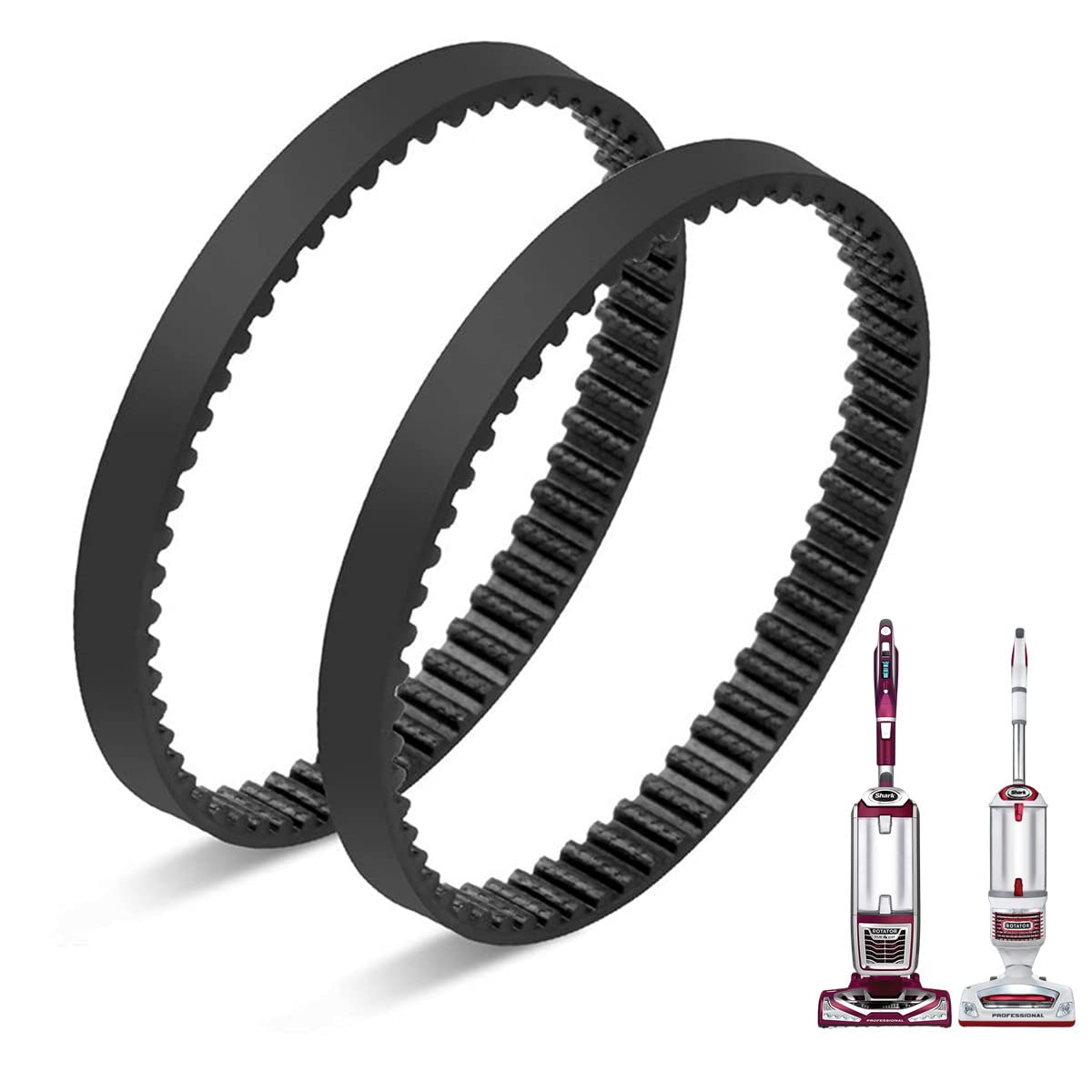
Replacement Belts for Shark Rotator NV752 NV500 NV501 NV502 NV503 NV505 NV500W NV400 Professional an
- High-quality product
- Customer favorite
- Best value option
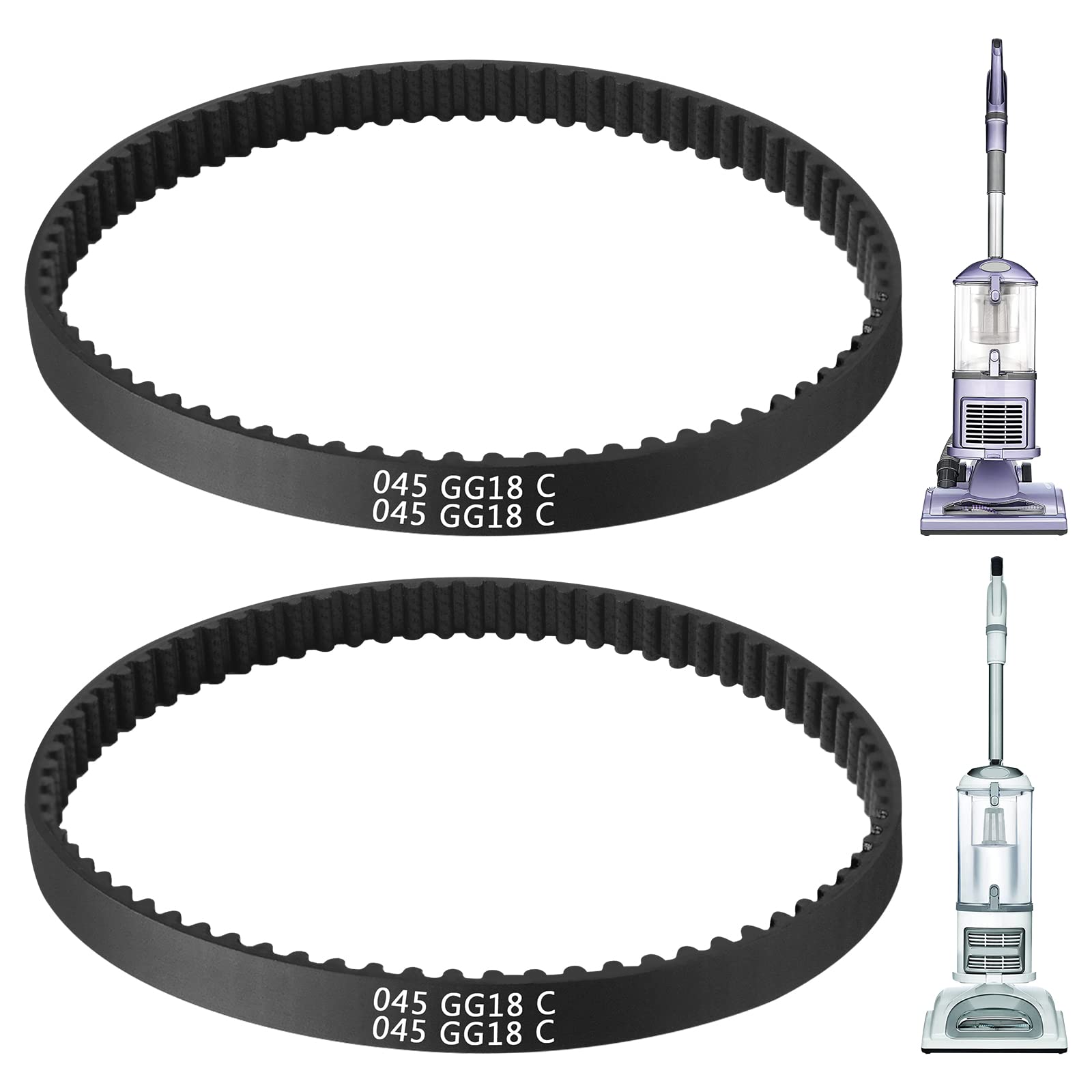
Vacuum Belt Replacement Compatible with Shark Navigator Lift Away Pro Vacuum Cleaner NV350 NV351 NV3
- High-quality product
- Customer favorite
- Best value option
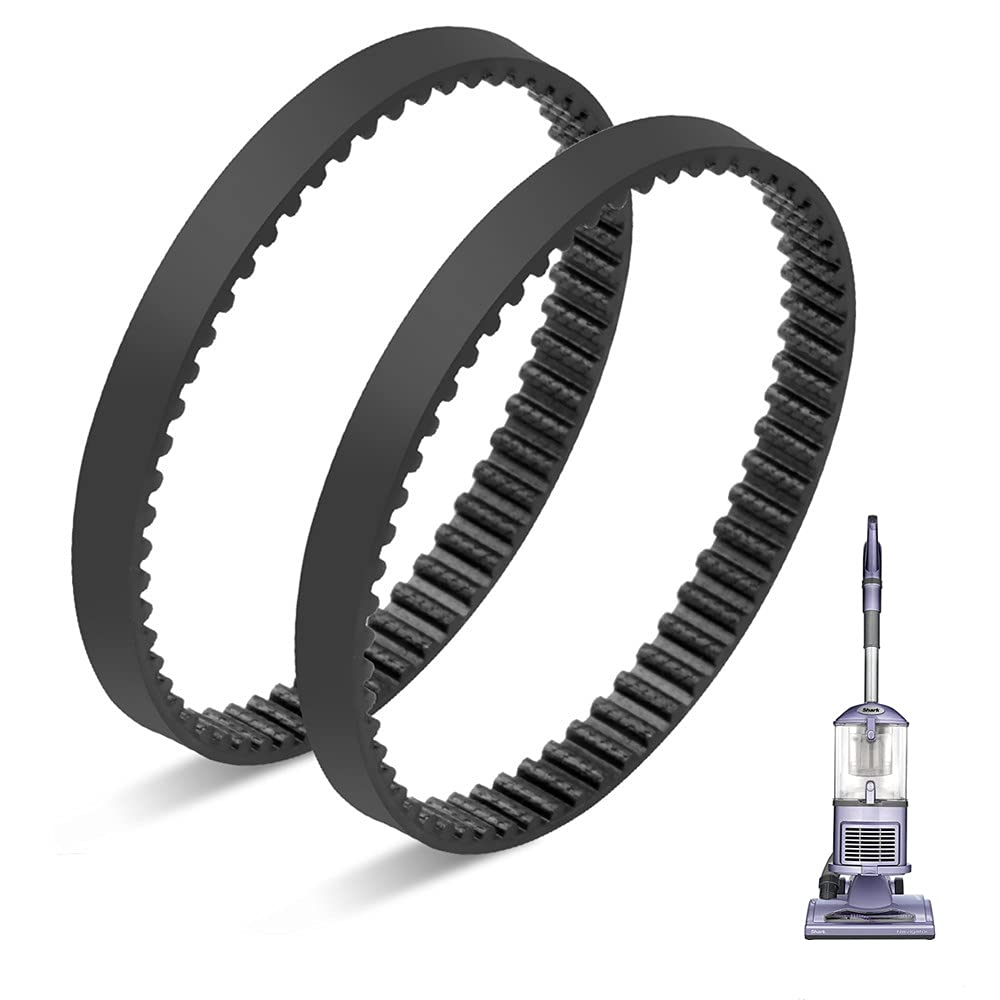
Replacement Belts for Shark Navigator NV350 NV351 NV352 NV353 NV355 NV356 NV357 NV360 NV22 NV42 NV44
- High-quality product
- Customer favorite
- Best value option
Phase 4: Installing the Shark Belt Replacement
- Loop the Motor Spindle: Slide the new belt over the small metal motor spindle first.
- Thread the Brush Roll: Loop the other end of the belt around the designated area of the brush roll.
- The Tension Stretch: This is the hardest part. You will need to pull the brush roll toward its seating slots. The belt will feel very tight—this is normal. Pull with firm, steady pressure and seat the brush roll into its grooves.
- Manual Test: Spin the brush roll with your hand. It should spin the motor spindle along with it. If the belt is seated correctly, it will center itself on the spindle.
- Reassemble: Put the cover back on, replace the "hidden" screws first, then the remaining screws. Snap the wheels back into place.
Expert Hacks & Maintenance: Preventing Future Breaks
A pro-tier technician doesn't just fix the problem; they ensure it doesn't happen again. Use these expert hacks to double the life of your shark belt replacement.
1. The "Heat Cycle" Break-In
When you first install a new rubber belt, it is extremely rigid. Run the vacuum on a hard floor for 2 minutes before moving to high-pile carpet. This allows the belt to warm up and become more pliable, reducing the risk of a "snap" during its first high-torque encounter.
2. Lubricate the Bearings
While you have the brush roll out, apply a tiny drop of silicone-based lubricant (not WD-40, which attracts dust) to the end bearings. A brush roll that spins with zero resistance places almost no stress on the belt.
3. Height Adjustment Awareness
If your Shark has a height adjustment slider (usually on the handle), use it! Running a vacuum on "Low Carpet" when you have "Plush" carpet creates massive drag. This drag generates heat, and heat is the #1 enemy of rubber belts.
4. The "Sniff Test"
Train yourself to recognize the smell of ozone vs. the smell of burning rubber. Ozone is a normal byproduct of the motor brushes; a heavy, acrid rubber smell means the belt is slipping. Stop immediately. By stopping the moment you smell it, you can often save the belt before it snaps.
Mega FAQ: Everything You Need to Know About Shark Belts
1. How do I know for sure my Shark vacuum belt is broken?
If the motor is running (you hear the loud suction noise) but the brush roll is not spinning, the belt is either broken or has slipped off. You can check this by looking at the indicator light on the floor nozzle; it will often turn red if the brush roll is obstructed or the belt is failed.
2. Can I replace the belt on a Shark DuoClean?
DuoClean models use a reinforced geared belt. While Shark says these are not user-replaceable, they are. However, it requires a more complex disassembly of the nozzle motor housing.
3. Why does my vacuum smell like it's burning?
That is the smell of the motor spindle friction-burning the rubber belt. It happens when the brush roll is jammed, but the motor is still trying to turn.
4. Are Shark vacuum belts universal?
No. You must match the belt to your specific model number (e.g., NV352, NV501, NV752). Using the wrong belt will either be too loose to spin or too tight, potentially snapping the motor spindle.
5. My belt is fine, but the brush roll still won't spin. What's wrong?
Check the nozzle's reset button (on older models) or the electrical connections between the pod and the nozzle. Sometimes the motor inside the nozzle itself fails.
6. How long should a Shark belt last?
With average use, a standard rubber belt lasts 12–24 months. Geared belts can last 5+ years if the brush roll is kept clean of hair.
7. Can I use a generic belt or only Shark-branded ones?
High-quality aftermarket belts (like those in our grid above) often perform as well as OEM belts. Just ensure they are made of reinforced rubber.
8. What does a red light on my Shark vacuum mean?
A solid red light means the brush roll is jammed. A flashing red light usually indicates an electronic fault or a severe overheat.
9. Why does my new belt keep snapping?
This usually means your brush roll bearings are seized or there is a "burr" on your motor spindle that is cutting the rubber.
10. Can hair wrap really break a belt?
Yes. Hair wrap creates a massive amount of friction. If the hair gets into the belt's path, it can actually get tangled under the belt, causing it to stretch and snap.
11. Is there a "reset" for the belt?
Not for the belt itself, but there is for the motor. Unplug the vacuum for 30 minutes to allow the thermal protector to reset.
12. Do I need special tools for a Shark belt replacement?
Only a Phillips head screwdriver and potentially a Torx T15 screwdriver for certain newer "Professional" models.
Closing Thoughts
A shark vacuum belt broken is not a death sentence for your machine. In fact, it's one of the most straightforward and satisfying repairs you can perform. By understanding the relationship between the motor, the belt, and the brush roll, you're not just fixing a tool—you're optimizing a system.
Remember, the key to longevity isn't just a high-quality shark belt replacement; it's the maintenance that follows. Keep your brush roll free of hair, listen for changes in the motor's pitch, and never ignore that "burnt rubber" smell. With the right part and the professional steps outlined above, your Shark will continue to provide the deep-cleaning performance your home deserves for years to come. Don't let a $10 rubber part force you into buying a $300 vacuum. Fix it, maintain it, and keep cleaning.