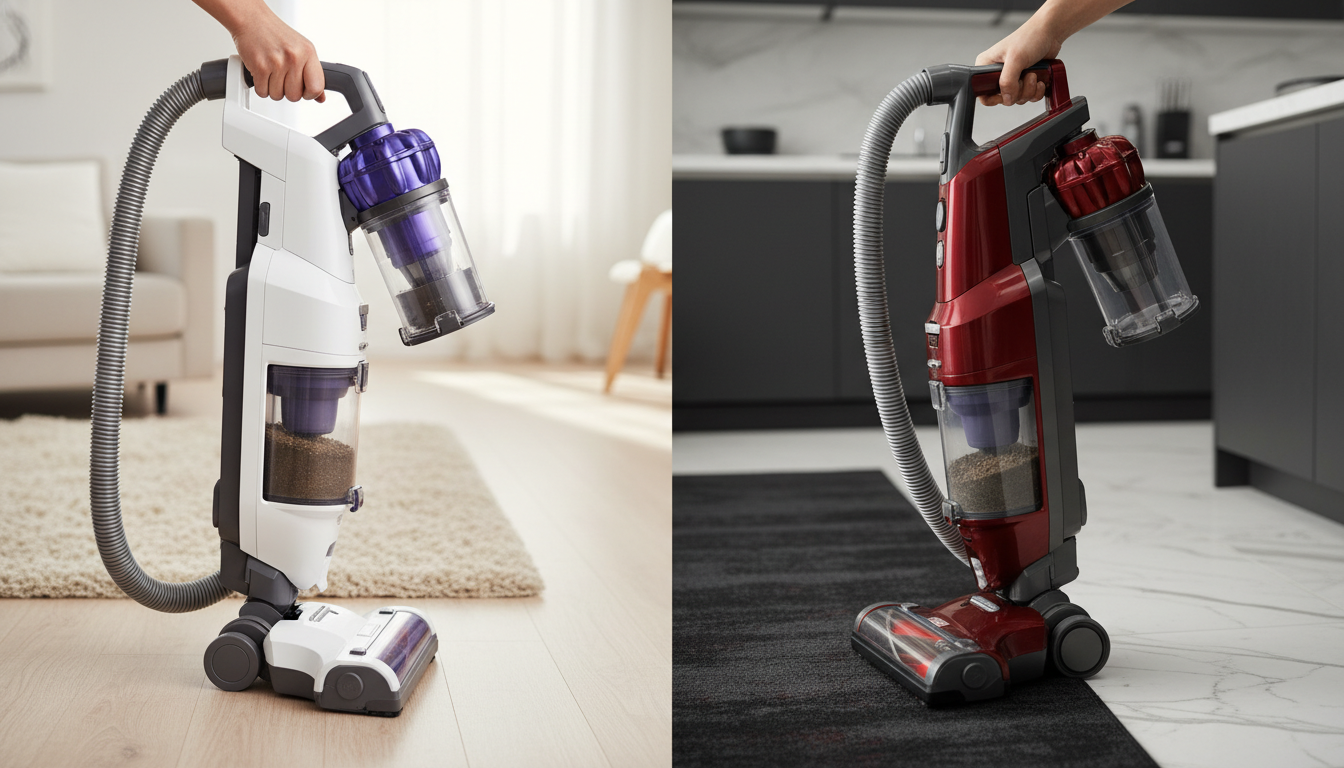
The Great Upright Debate: Shark Navigator vs Rotator
Choosing between a Shark Navigator and a Shark Rotator is not merely a matter of picking a color or a price point; it is a strategic decision that impacts the fundamental hygiene and maintenance of your home. Shark, the brand under the Ninja-Shark umbrella, has spent the last decade disrupting the floor-care industry by offering high-end features—like HEPA filtration and swivel steering—at a fraction of the cost of European competitors like Miele or Dyson. However, this success has led to a cluttered catalog. When you stand in the aisle or scroll through a product page, the differences between a Navigator and a Rotator can feel intentionally opaque. Both look similar, both offer "Lift-Away" technology, and both claim to be the ultimate solution for pet hair.
The Shark Navigator is the "Old Guard"—the classic workhorse that put Shark on the map. It was designed to be a lightweight, no-nonsense upright that out-suctioned the bulky vacuums of the early 2000s. On the other hand, the Shark Rotator was introduced as the "Professional" or premium evolution. It typically features enhanced maneuverability, more robust lighting, and specialized brushroll technologies. But as Shark has updated both lines, the lines have blurred. Modern Navigators now often include features once reserved for the Rotator, and entry-level Rotators sometimes lack the bells and whistles of high-end Navigators.
To make an informed purchase, you must look past the glossy marketing. You need to understand the mechanical DNA of these machines. Are you prioritizing the weight of the unit when carrying it up the stairs, or are you looking for the maximum cubic feet per minute (CFM) of airflow to pull deep-seated dander out of high-pile carpets? This guide serves as your technical roadmap. We will dissect the engineering, the filtration systems, and the ergonomic trade-offs that define the "shark navigator vs rotator" debate. By the end of this analysis, you won't just know which one is better on paper; you will know which one is the precise tool for your specific living environment.
The Critical Problem: Why Most Buyers Choose the Wrong Shark
The fundamental problem with the Shark ecosystem is "Feature Parity Confusion." Shark’s marketing team is excellent at naming features—DuoClean, Zero-M, Powered Lift-Away, Anti-Allergen Complete Seal—but they often apply these features across both Navigator and Rotator lines in a way that defies linear logic. This creates a paralysis of choice where the consumer often defaults to price, leading to significant post-purchase regret.
The most common mistake is failing to distinguish between Standard Lift-Away and Powered Lift-Away. This is the technical bottleneck where most Navigator vs Rotator comparisons fail. In a standard Navigator Lift-Away, when you detach the canister to clean under furniture, you lose power to the motorized brushroll. You are essentially using a suction-only wand. In many premium Rotator models (the "Powered" versions), power is delivered through the extension wand even when the canister is detached. This allows the brushroll to keep spinning while the vacuum is in a low-profile configuration. If you have a home filled with low-clearance furniture like mid-century modern sofas or platform beds, buying a Navigator because it’s "cheaper" actually renders 30% of your floor space unreachable by a motorized brush.
Furthermore, there is the "Airflow vs. Suction" trap. Many consumers assume a "Professional" Rotator has more raw suction power than a "Deluxe" Navigator. In laboratory testing, this isn't always true. Some Navigator models (like the NV352) have legendary motor efficiency that rivals much more expensive Rotators. The problem lies in the floor head design. A Rotator might have better LED headlights and a wider cleaning path, but if it lacks the seal of a Navigator on hard floors, it will scatter debris rather than ingest it.
The weight-to-power ratio is another critical failure point. The Rotator line is generally heavier. If you are a homeowner with mobility issues or a multi-story home, the "extra features" of a Rotator become a liability. Conversely, if you have thick, wall-to-wall carpeting and three shedding dogs, the lightweight Navigator might lack the "agitation" (the ability of the brushroll to vibrate the carpet fibers) necessary to pull up pet hair. Most buyers don't account for the "Push Force"—the amount of physical energy required to move the vacuum across a rug. Rotators often have better "suction relief" valves, making them easier to push on thick rugs, whereas a high-suction Navigator can sometimes "seal" itself to the floor, making it feel like you’re pushing a boulder. This technical nuance is rarely explained in the product description but is the difference between a 10-minute chore and a 30-minute workout.
Methodology & Core Guide: Navigating the Shark Landscape
To determine whether you should buy a shark navigator or rotator, we must break the machines down into four core pillars: Filtration, Maneuverability, Brushroll Technology, and Ergonomics.
1. Filtration and the "Complete Seal"
Both the Navigator and Rotator lines frequently feature Shark’s "Anti-Allergen Complete Seal Technology." This is a critical distinction. In lower-end vacuums, air is sucked in, passed through a filter, but leaks out of the housing before it actually clears the HEPA stage. Shark’s "Complete Seal" means 99.9% of dust and allergens are trapped inside.
- Navigator: Usually features a simpler filter access. The foam and felt filters are easily accessible under the dust cup.
- Rotator: Often features a more sophisticated HEPA housing that is easier to click in and out. If you suffer from severe asthma, the Rotator’s seal is often slightly more robust in high-end models (like the ZU series).
2. Maneuverability and Swivel Steering
This is where the Rotator typically earns its higher price tag.
- Rotator: Generally features "Advanced Swivel Steering." The pivot point at the floor head is more fluid, allowing for tighter turns around chair legs. The wheels are often rubberized, providing better traction on hardwood floors and reducing noise.
- Navigator: While it still features swivel steering, it is often more "notchy." It requires more wrist input to change direction. However, because Navigators are thinner, they can often fit into narrower "dead zones" between furniture that a wide-body Rotator cannot.
3. Brushroll Technology: DuoClean vs. Zero-M
This is the most important technical choice you will make.
- DuoClean (Common in Rotators): This features two brushrolls in one head—a soft roller for large debris and polished hard floors, and a bristle brush for carpets. It is the "gold standard" for versatility.
- Zero-M / Self-Cleaning (Found in both): This uses a series of integrated combs to remove hair wrap from the brushroll as you clean. If you have long hair or pets, this is non-negotiable.
- Standard (Navigator): Basic Navigators use a traditional bristle brush. It’s effective on carpet but can struggle with "snowplowing" large debris (like Cheerios) on hard floors.
4. The Lift-Away Functionality
This is Shark's signature move. You press a button, and the "pod" detaches.
- Navigator Lift-Away: The pod is lightweight. It’s great for stairs. But remember: once the pod is off, the floor head is no longer powered. You are using the hose.
- Rotator Powered Lift-Away: This is the game-changer. The motor that spins the brushroll is powered through the wand. You can slide the floor head under a bed while holding the canister in your other hand, and it will still deep-clean the carpet.
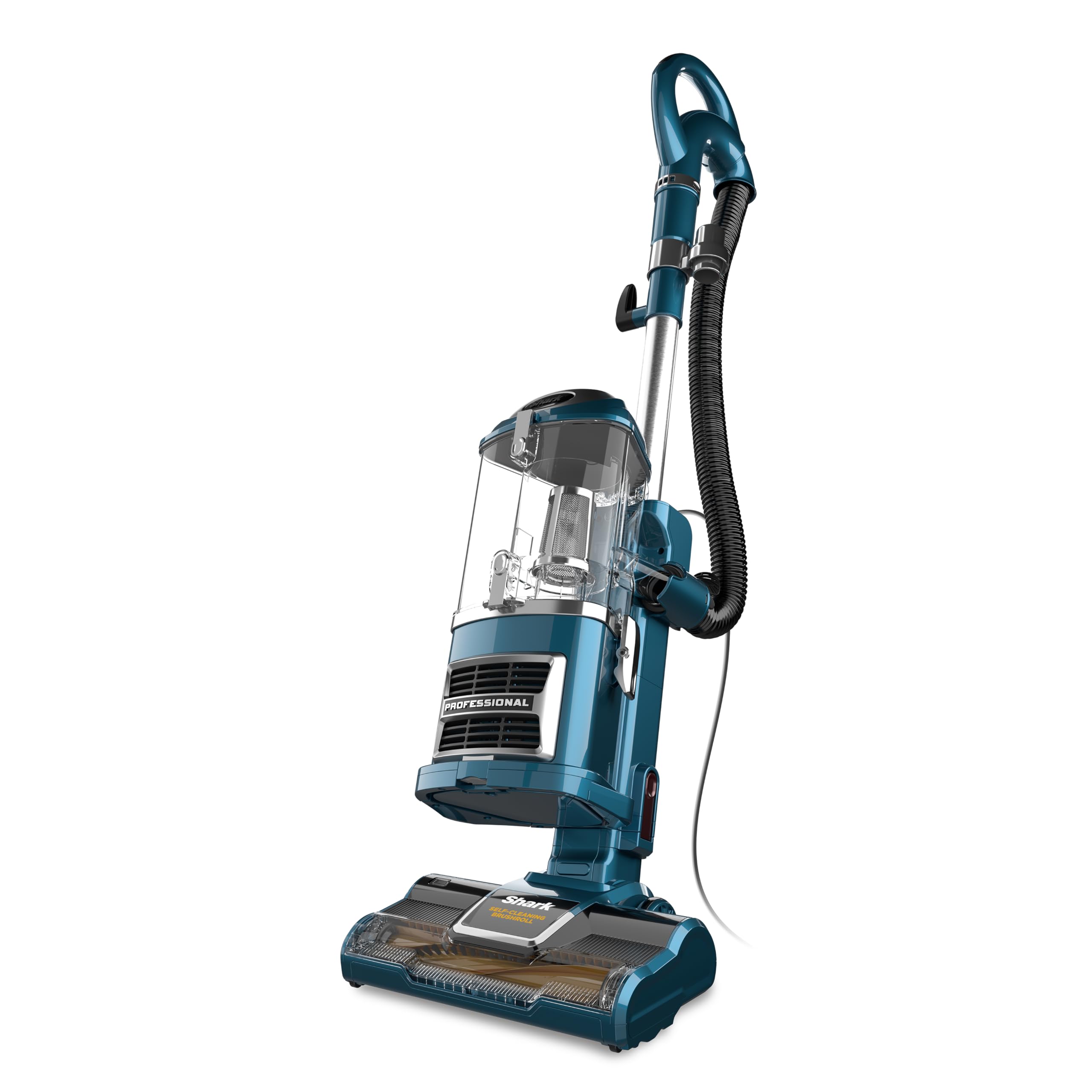
Shark Upright Vacuum, Navigator Lift-Away with Self-Cleaning Brushroll, HEPA Filter, Swivel Steering
- High-quality product
- Customer favorite
- Best value option
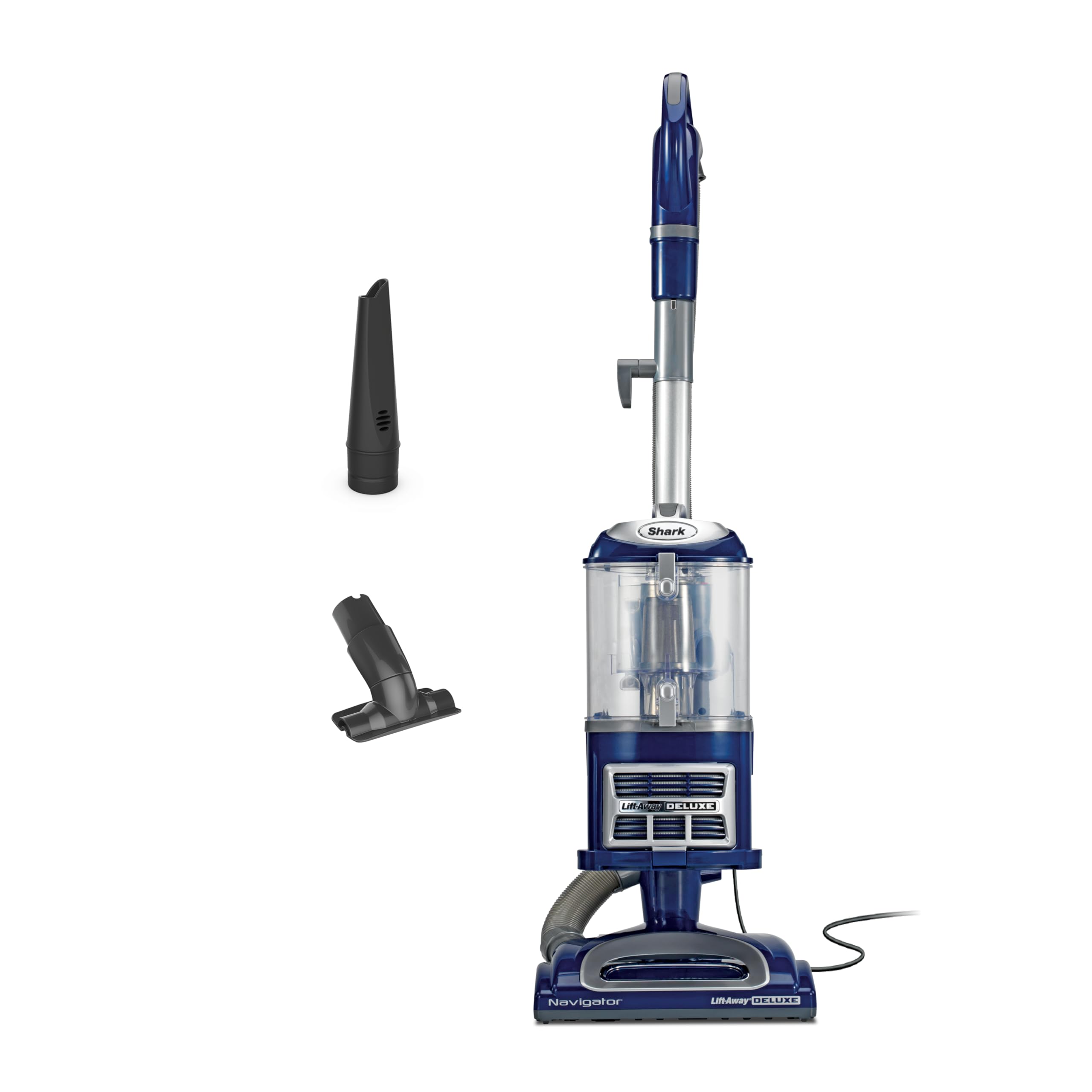
Shark Upright Vacuum, Navigator Lift-Away Deluxe with Large Dust Cup Capacity, HEPA Filter, Swivel S
- High-quality product
- Customer favorite
- Best value option
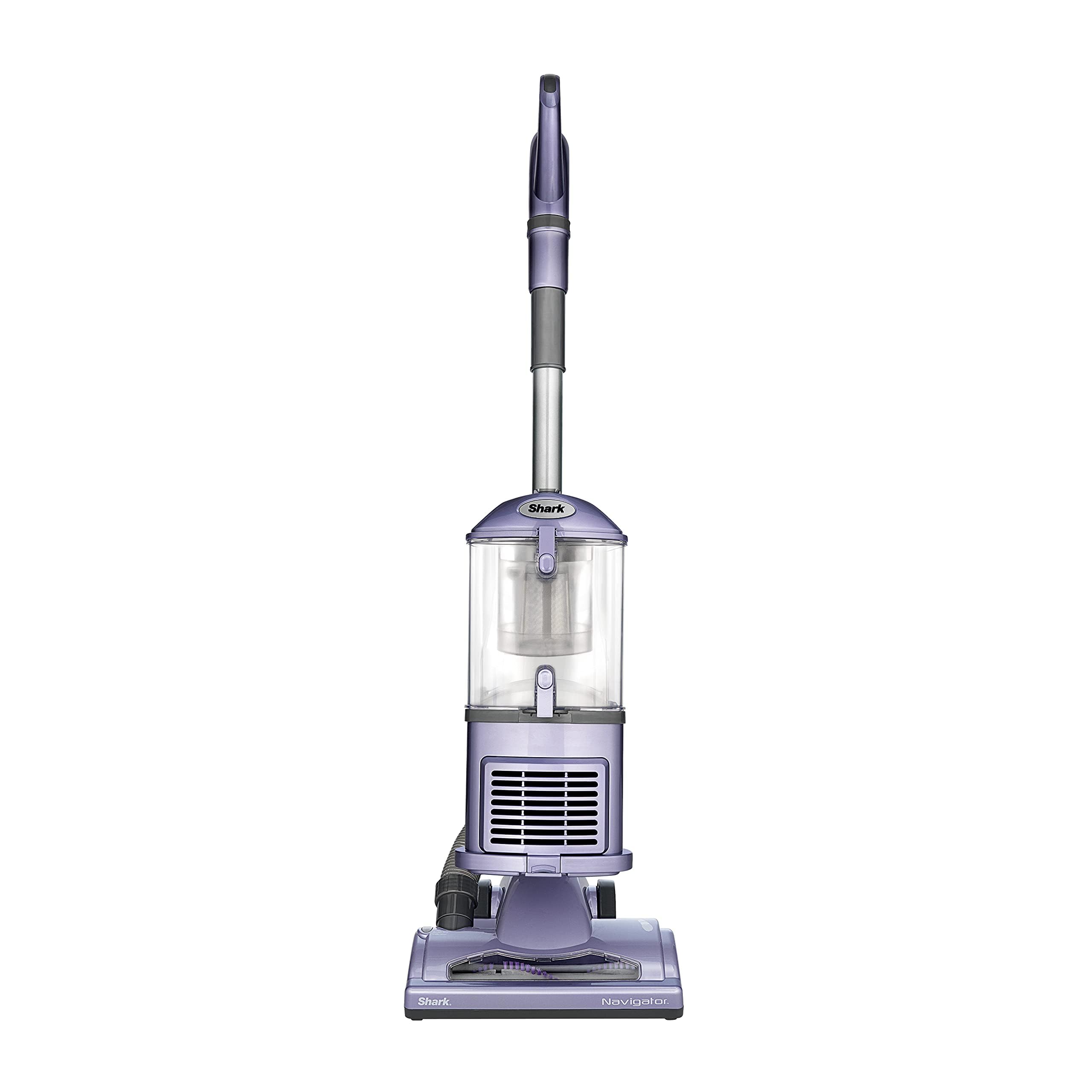
Shark NV352 Navigator Lift Away Upright Vacuum, Hepa Filter, Anti-Allergen Technology, Swivel Steeri
- High-quality product
- Customer favorite
- Best value option
Expert Hacks & Maintenance
To keep your Shark—whether Navigator or Rotator—performing at peak efficiency, you must move beyond the basic instruction manual.
- The "Pre-Filter" Ritual: Most users wait until the vacuum loses suction to clean the filters. By then, fine dust has already begun to stress the motor. Wash your foam and felt filters every 3 weeks with cold water (no soap). The secret? Let them dry for a full 48 hours. Using a damp filter is the #1 cause of "that vacuum smell" (mildew) and can bridge the electrical components of the motor.
- The Hose Check: If you notice a drop in suction, don't just check the floor head. Shark hoses are durable but can develop "micro-tears" at the stress points near the handle. A simple wrap of black electrical tape can restore the airtight seal and save you $50 on a replacement hose.
- Brushroll Surgical Cleaning: Even with "Self-Cleaning" brushrolls, thin threads or fishing lines can occasionally wrap around the axle. Don't use a knife; use a seam ripper from a sewing kit. It allows you to get under the thread without nicking the bristles or the plastic roller.
- Static Mitigation: On dry winter days, plastic vacuums build up static. This causes dust to cling to the outside of the machine. Wipe the exterior with an anti-static dryer sheet to keep the unit looking new and prevent dust from "jumping" back onto your clean floors.
Mega FAQ: Everything You Need to Know
1. Which is better for pet hair, Shark Navigator or Rotator?
The Rotator typically wins here, especially models with the "Self-Cleaning Brushroll" (Zero-M technology). While Navigators are great, the Rotator's higher-end models often have better agitation for removing hair from deep carpet fibers.
2. Is the Rotator worth the extra money?
If you have a large home with a mix of high-pile carpet and hardwood, yes. The "Powered Lift-Away" and better swivel steering make a significant difference in physical fatigue during long cleaning sessions.
3. Do both have HEPA filters?
Most modern versions of both have HEPA filters, but you must look for the "Anti-Allergen Complete Seal" label. This ensures the air doesn't bypass the filter.
4. Which one is lighter?
The Navigator line is generally lighter, usually weighing between 13 and 15 pounds. Rotators can climb to 18 pounds due to the larger motors and extra lighting.
5. Can I use the Rotator on delicate area rugs?
Yes. Most Rotators have a "Suction Control" slide on the handle. Opening this valve reduces the suction, allowing the vacuum to glide over delicate silk or wool rugs without sucking them up into the intake.
6. Does the Navigator have LED lights?
Lower-end Navigators often lack lights. Premium Rotators almost always have powerful LED headlights to help you see dust under furniture.
7. Which is quieter?
Technically, the Rotator is often slightly quieter because the housing is thicker and better insulated, but neither is a "silent" machine. They both operate in the 75-80 decibel range.
8. Are the parts interchangeable?
Rarely. Even within the same line, Shark often changes the diameter of the hose or the clip mechanism for different years. Always check your specific model number (e.g., NV352 vs NV360) before buying accessories.
9. Which is better for hardwood floors?
The Rotator with "DuoClean" is the king of hardwood. The soft front roller acts like a microfiber cloth, picking up fine dust that standard bristles might miss.
10. How often should I replace the HEPA filter?
Shark recommends every 2 years, but if you have pets or smokers in the house, an annual replacement will significantly improve the air quality of your home.
11. Does the Navigator tip over easily?
Because Navigators are narrower and lighter, they can be more prone to tipping when using the hose in "upright" mode. It is always safer to use the "Lift-Away" mode when cleaning stairs or high surfaces.
12. What is the warranty difference?
Both usually carry a 5-year limited warranty when purchased from authorized retailers, but always register your product on the Shark website to ensure the motor is covered.
Closing Thoughts
In the battle of shark navigator vs rotator, there is no universal winner—only a "right tool for the job." If you live in a multi-story home with mostly hard floors and want something that won't strain your back, the Shark Navigator is an unbeatable value. It provides the essential filtration and suction needed for a healthy home without the unnecessary weight.
However, if your home is a high-traffic environment with thick carpets, shedding pets, and low-clearance furniture, the Shark Rotator is the superior investment. The "Powered Lift-Away" feature alone justifies the price jump, as it fundamentally changes how you clean under beds and sofas. When you choose a Shark, you are buying into a system of efficiency. Choose the Navigator for simplicity and agility; choose the Rotator for power and versatility. Either way, you are moving toward a cleaner, more allergen-free living space.