
The Strategic Art of Vacuum Maintenance: Why Timing Is Everything
Most homeowners treat vacuum maintenance as a reactive emergency. The belt snaps, the suction dies, or the HEPA filter begins to emit a musty, "old dog" odor, and suddenly, there is a mad scramble to find a replacement. This reactive approach is the most expensive way to maintain a household. As a veteran of the appliance industry, I can tell you that the difference between a high-performing machine and a piece of plastic junk isn't just the brand name—it is the owner’s ability to navigate the secondary market of components. Understanding when to buy vacuum parts is not just about saving a few dollars; it is about extending the lifecycle of a $500 to $1,000 investment.
The vacuum industry operates on a razor-and-blade business model. Manufacturers often sell the base units at competitive margins, knowing they will recoup their profits through proprietary filters, brush rolls, and specialized batteries over the next five to seven years. If you buy these components at full retail price during a "breakdown crisis," you are falling directly into a calculated financial trap. The savvy consumer views vacuum parts as a commodity with a fluctuating price index.
Strategic purchasing requires a shift in mindset. You are no longer just a consumer; you are a fleet manager for your home’s air quality. Vacuum parts sales follow a predictable, cyclical rhythm tied to retail psychology, inventory clearance, and seasonal cleaning habits. By mastering this rhythm, you can secure OEM-quality (Original Equipment Manufacturer) parts at a fraction of their standard cost. This guide will dismantle the traditional "buy when broken" philosophy and replace it with a high-authority roadmap to total appliance optimization. We will explore the macroeconomic factors that drive price drops, the specific windows where retailers dump inventory, and the secret "off-peak" months where demand craters, leaving prices at their annual lows. If you want your vacuum to last a decade while costing you less than a cup of coffee per month in maintenance, you must master the timing of the market.
The Critical Problem: The "Urgency Premium" and the Supply Chain Trap
The primary reason most consumers overpay for vacuum parts is the "Urgency Premium." When your vacuum fails, the utility of that machine—measured in clean floors and allergen reduction—drops to zero. Because floor care is a non-negotiable aspect of modern hygiene, the consumer’s price elasticity vanishes. Retailers know this. They understand that a customer with a broken belt on a Saturday morning will pay $25 for a part that costs $4 to manufacture. This is the "break-fix" trap, and it is the enemy of financial efficiency.
Beyond the psychological trap of urgency, there is the systemic issue of supply chain volatility. Vacuum parts, particularly those for high-end brands like Dyson, Miele, or Shark, are often subject to regional stock shortages. When a specific filter or battery goes out of stock at major retailers, third-party sellers on marketplaces often engage in price gouging. We have seen instances where a standard $30 lithium-ion battery for a cordless stick vacuum spikes to $85 during peak demand periods because of a temporary manufacturing bottleneck. If you are buying reactively, you are at the mercy of these market spikes.
Furthermore, the "Critical Problem" extends to the quality of the parts themselves. During peak "vacuum parts sales" events, the market is flooded with low-grade "compatible" parts that lack the filtration efficiency of OEM standards. Without a methodology for when and where to buy, consumers often end up purchasing "budget" filters that actually damage the vacuum’s motor by restricting airflow or allowing fine particulates to bypass the filtration system. This leads to premature motor failure—a "catastrophic loss" in appliance terms.
The expert solution is a "Predictive Inventory" model. By understanding the wear-cycles of your specific machine—for example, knowing that a HEPA filter in a pet-friendly home lasts exactly six months—you can align your purchase with the deepest market discounts rather than the moment of failure. The goal is to never buy a part because you need it today, but because it is at its lowest price today. This requires an understanding of the retail calendar, which we will deconstruct in the following methodology. We are solving for two variables: price and availability. By eliminating the "Urgency Premium," you reclaim control over your maintenance budget and ensure your machine always operates at peak technical specifications.
The Core Guide: Navigating the Seasonal Cycles of Vacuum Parts Sales
To master the market, you must understand that when to buy vacuum parts is dictated by the "Big Three" retail drivers: Seasonal Cleaning Demand, Manufacturer Release Cycles, and Major Holiday Clearing. Here is the authoritative breakdown of the calendar year.
Q1: The "New Year, New Home" and Spring Cleaning Surge
January is a surprisingly excellent time for vacuum parts. Following the heavy gift-giving season of December, many retailers find themselves overstocked on accessory kits that didn't sell as "bundle" gifts. Look for "open-box" deals or "warehouse clearances" in mid-January.
However, the real action starts in late March. As the industry gears up for "Spring Cleaning" marketing blitzes, retailers like Amazon, Walmart, and Target begin aggressive promotions on consumables. This is the prime window for "Bulk Buy" discounts. Manufacturers know that consumers are about to put their vacuums through heavy use, so they offer multi-pack filter deals. If you see a 4-pack of HEPA filters at a 30% discount in March, buy enough to last the entire year.
Q2: The Memorial Day and "Prime Day" Lead-up
May is a "shoulder month" where prices often stabilize at MSRP. However, the end of May (Memorial Day) often brings site-wide discounts at specialized appliance parts warehouses.
The biggest disruptor in Q2/Q3 is Amazon Prime Day (usually July). This has become the "Black Friday of Summer." For vacuum owners, this is the best time to buy high-ticket parts like replacement batteries or motorized brush heads. Competitors like Shark and iRobot often run "Direct-to-Consumer" sales on their own websites to compete with Amazon’s traffic. Pro Tip: Always check the manufacturer's site during Prime Day; they often beat Amazon's price to avoid paying the marketplace commission.
Q3: Back to School and Labor Day
August and September are often overlooked. As college students move into dorms, there is a massive surge in "Small Vacuum" sales. Consequently, parts for stick vacuums and hand-vacs go on sale to capture the "maintenance-ready" student market. Labor Day weekend is the final "deep discount" period before the holiday rush begins.
Q4: The Golden Window (Black Friday to Cyber Monday)
This is the undisputed heavyweight champion for vacuum parts sales. Between the Friday before Thanksgiving and Cyber Monday, the goal for retailers is "Inventory Velocity." They want to move as many units as possible to clear space for next year's models.
- OEM Parts: Look for 20-40% off on manufacturer websites (Dyson.com, SharkClean.com).
- Third-Party Kits: Amazon usually sees its lowest prices of the year on massive "all-in-one" refresh kits (filters, brushes, and side-sweepers).

Replacement Parts and Accessories Kit Compatible for iRobot Roomba 692 694 676 675 695 677 671 655 6
- High-quality product
- Customer favorite
- Best value option
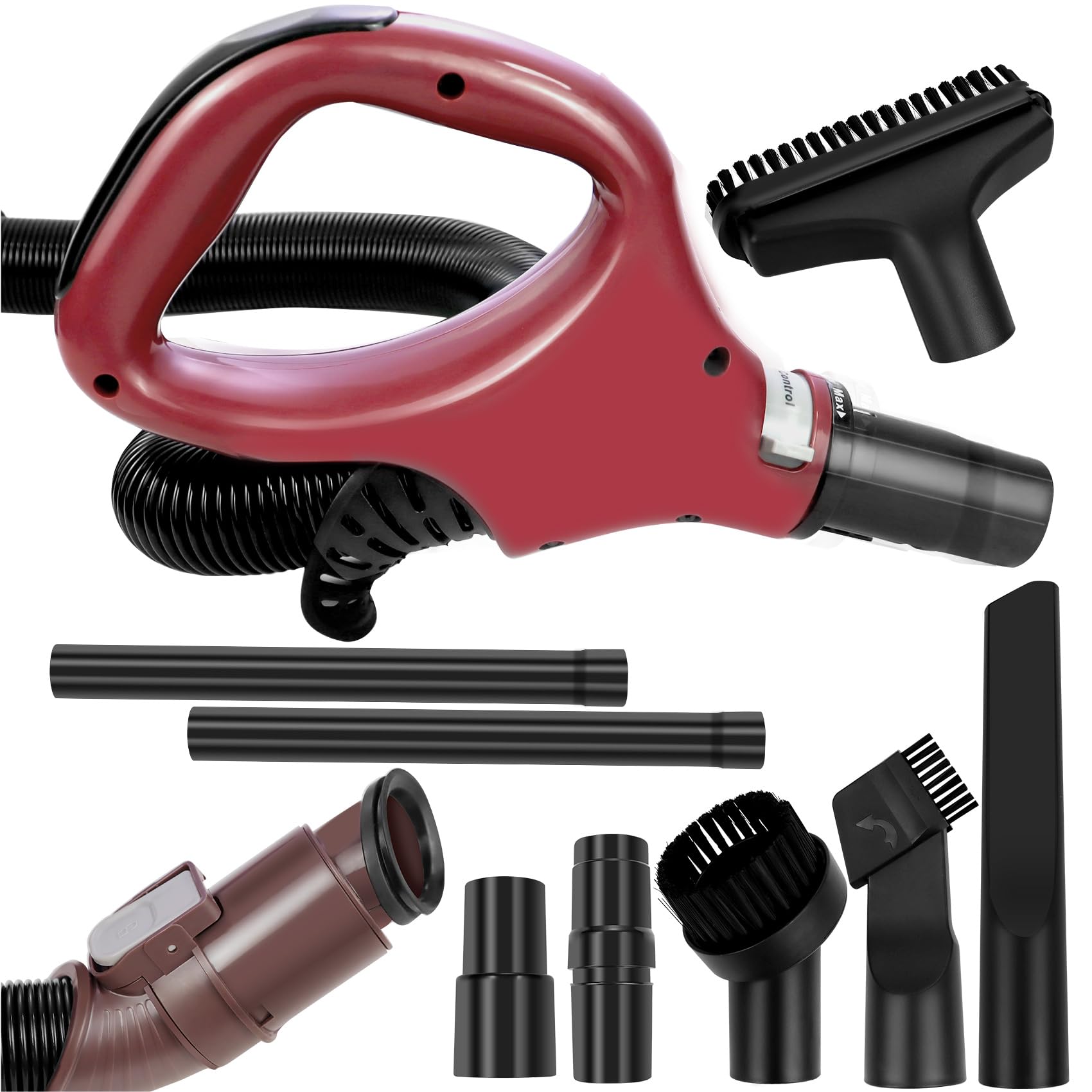
ZU561 Replacement Hose Handle, Crevice Tool, Vacuum Hose Adapters Compatible with Shark Navigator Ro
- High-quality product
- Customer favorite
- Best value option
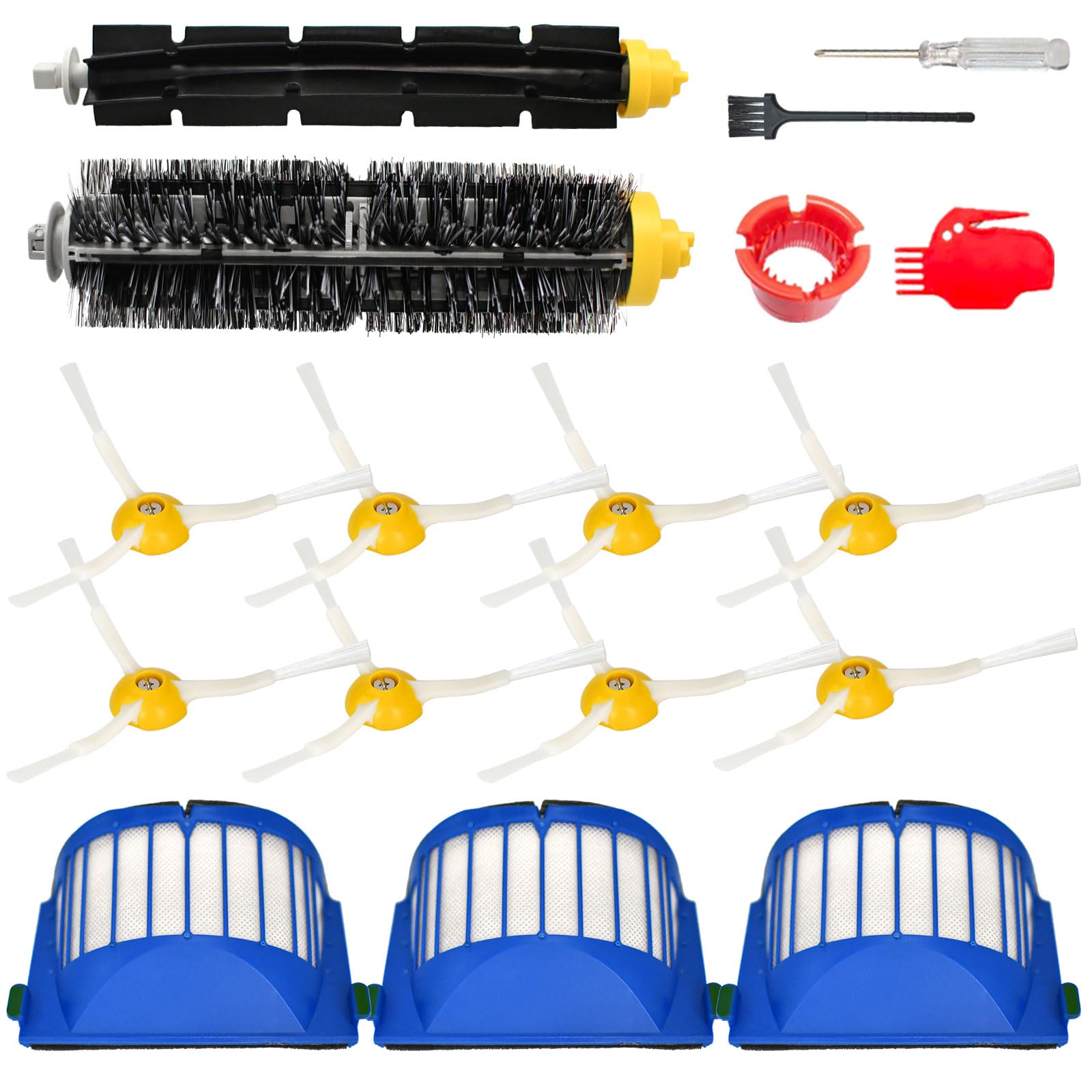
Replacement Parts and Accessories Kit Compatible for iRobot Roomba 692 694 676 675 695 677 671 655 6
- High-quality product
- Customer favorite
- Best value option
Expert Hacks & Maintenance: Maximizing Your Investment
Once you’ve mastered when to buy vacuum parts, the next step is ensuring you don’t have to buy them more often than necessary. As an authority in the space, I recommend the following advanced maintenance protocols to extend part life:
- The Manometer Suction Test: You don’t need a professional tool to check suction. If you notice a drop in performance, check your filters by holding a piece of tissue against the intake. If it doesn't hold firm, your filters are clogged. Buying parts on sale is useless if you are running a clogged machine that is burning out the motor.
- Filter Rotation Strategy: Buy two sets of washable filters. Never put a damp filter back into a vacuum; it will create mold and ruin the motor. By rotating two sets, you allow each a full 48 hours to air dry, significantly extending the life of the internal foam.
- Brush Roll Bearing Lubrication: Most people replace brush rolls because they stop spinning. Often, it’s just hair wrapped around the bearings. Every three months, remove the brush roll and use a seam ripper to clear hair. A drop of "3-in-One" oil on the end-caps can save you $40 on a replacement roll.
- Battery Depth of Discharge: For cordless vacuums, the battery is the most expensive part. To avoid buying a new one every two years, avoid "deep discharging." Try to charge the unit when it hits 20% rather than running it until it dies. Heat is the enemy of batteries; never charge a battery immediately after a heavy cleaning session while it is still warm to the touch.
Mega FAQ: Expert Insights on Vacuum Parts Sales
1. Are generic "compatible" parts as good as OEM?
In most cases, for plastic components like crevice tools or hoses, generic is fine. However, for HEPA filters and batteries, I always recommend OEM or high-reputation third-party brands. Low-quality filters often lack the rubber gasket seal required to prevent air bypass, rendering the HEPA rating useless.
2. Does Dyson ever have sales on individual parts?
Rarely. Dyson focuses on machine sales. The best way to get Dyson parts at a discount is through authorized refurbishers or during site-wide "20% off accessories" promotions that typically occur in late November.
3. How often should I truly change my HEPA filter?
Regardless of what the manual says, if you have pets or allergies, every 6 months is the industry standard for peak performance. If you live in a low-dust environment, you can push it to 12 months.
4. Can I wash a "non-washable" filter to save money?
Absolutely not. Non-washable filters are made of paper-based media. Water collapses the fibers and creates a "wall" that blocks airflow, which will overheat and eventually kill your vacuum motor.
5. Where is the cheapest place to buy Roomba brushes?
The best value is almost always found in "Refresh Kits" on Amazon during Prime Day or Black Friday. Buying individual brushes is a 50% markup compared to the kits.
6. Is eBay a safe place for vacuum parts?
Yes, but only for "New-Old Stock" (NOS). It is a goldmine for finding parts for discontinued models that the manufacturer no longer supports.
7. How do I know if my vacuum belt is slipping?
If you smell burning rubber or see the brush roll stopping when it touches the carpet, the belt has stretched. Belts are "friction parts" and should be replaced annually regardless of appearance.
8. What is the shelf life of vacuum bags?
Vacuum bags have an almost indefinite shelf life if kept in a dry, temperature-controlled environment. Stocking up during a 5-year sale is a smart move.
9. Do local repair shops match online prices?
Usually not on the part alone, but they offer "bundled value." If they install the part and provide a 90-day warranty, the extra $10 is often worth the peace of mind.
10. When does Shark release new models?
Shark typically refreshes its lineup in the fall (September/October). This is when parts for the "outgoing" models often go on clearance at big-box retailers.
11. Are "kits" better than individual parts?
Mathematically, yes. A kit containing 3 filters and 2 brushes usually costs only 20% more than a single filter.
12. How can I spot a counterfeit lithium battery?
If the price is more than 60% below MSRP, be wary. Look for the UL (Underwriters Laboratories) listing. Counterfeit batteries lack thermal protection and are a genuine fire hazard.
Closing Thoughts
Mastering the timing of when to buy vacuum parts is the hallmark of a sophisticated homeowner. By shifting from a reactive "break-fix" mentality to a proactive "predictive maintenance" model, you don't just save money—you ensure that your home remains a sanctuary of clean air. Remember the golden rule: The most expensive part you will ever buy is the one you need today. Use the Q1 Spring and Q4 Holiday windows to build your inventory, and your vacuum—and your wallet—will thank you for years to come. Stay diligent, watch the cycles, and never pay full price for a filter again.