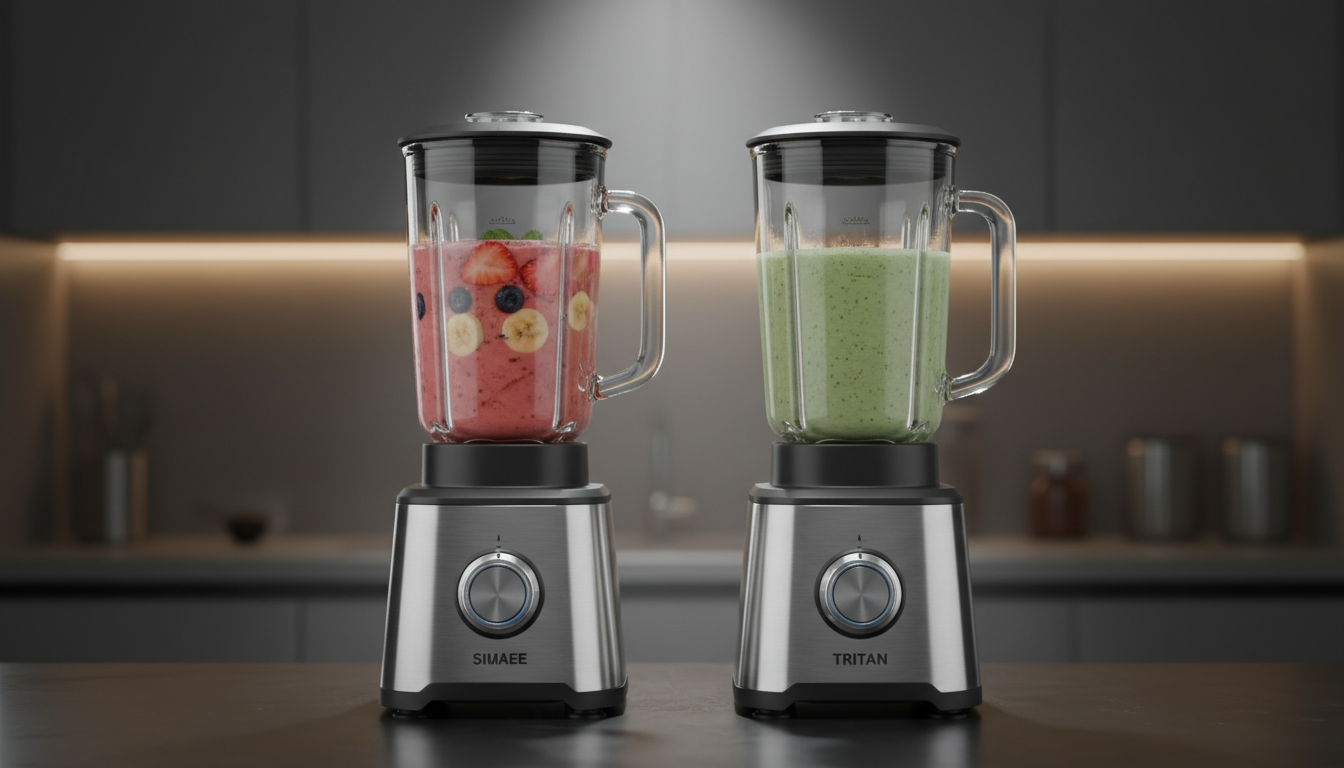
The Great Culinary Divide: Why Your Blender Jar Material Matters
The modern kitchen is a battlefield of efficiency versus aesthetics, and nowhere is this conflict more apparent than in the choice between a glass and a plastic blender jar. For the uninitiated, it seems like a trivial aesthetic choice. However, for the culinary enthusiast or the health-conscious homeowner, this decision represents a fundamental shift in how you interact with your food, your appliance’s longevity, and even your long-term health. When you stand in the appliance aisle, you aren't just looking at two different containers; you are looking at two entirely different philosophies of engineering.
Historically, glass was the undisputed king. It was the material of the mid-century kitchen—heavy, reliable, and seemingly permanent. It didn't hold onto the smell of last night’s garlic-heavy salsa, and it didn't turn a murky shade of yellow after a few months of use. But as the "high-performance" blender revolution took hold in the early 2000s, spearheaded by brands like Vitamix and Blendtec, the narrative shifted. Suddenly, the most expensive blenders on the market were coming equipped with plastic jars. This led many to wonder: Is plastic actually better, or is it just a cost-cutting measure disguised as innovation?
The reality is that neither material is objectively "superior" in every category. Instead, they serve different masters. Glass appeals to the purist—those who prioritize chemical inertness and a scratch-resistant finish that looks brand new for a decade. Plastic, specifically high-tech polymers like Tritan copolyester, appeals to the power user—the person blending frozen solid acai bowls or hot soups who needs a jar that won't shatter if it's dropped or crack under the intense vibration of a 3-horsepower motor.
In this blender jar material comparison, we will strip away the marketing jargon. We aren't just looking at "shiny vs. light." we are analyzing thermal shock resistance, tensile strength, and molecular porosity. Whether you are a professional chef or a morning smoothie warrior, understanding the nuances of glass vs plastic blender jar selection is the only way to ensure your investment doesn't end up in a landfill—or worse, leaching unwanted chemicals into your daily diet.
The Critical Problem: Hidden Risks and Engineering Failures
When we discuss the "problem" with blender jars, we have to look past the surface. The critical issue isn't just that glass breaks or plastic scratches; it’s the microscopic and chemical interactions that occur during high-speed blending.
The Plastic Paradox: Chemicals and Clouding
The primary concern with plastic has always been chemical leaching. While the industry has largely moved toward "BPA-free" materials, expert analysis suggests this may be a red herring. Many BPA-free plastics use BPS (Bisphenol S) or other stabilizers that can still exhibit estrogenic activity when exposed to heat or UV light. When you blend a hot soup in a plastic jar, you are accelerating the potential migration of these polymers into your food.
Furthermore, plastic is porous. Over time, the high-speed impact of frozen fruit and ice creates microscopic abrasions on the inner surface. These "micro-scratches" do more than just make the jar look cloudy; they become breeding grounds for bacteria and trap food odors. This is why a plastic jar that has seen three years of service often carries a faint, permanent scent of old protein powder or onions, regardless of how many times it has been through the dishwasher.
The Glass Vulnerability: Thermal Shock and Kinetic Energy
On the flip side, glass faces a physics problem. Most consumer-grade blender jars are made of soda-lime glass, which has a high coefficient of thermal expansion. If you take a glass jar out of a hot dishwasher and immediately fill it with ice to make a margarita, the internal stress can cause a catastrophic failure known as thermal shock.
More critically, in the era of high-speed motors (reaching 20,000 to 30,000 RPM), glass becomes a liability. The kinetic energy generated by a blade spinning at those speeds is immense. If a hard object—like a stray peach pit or a heavy ice cube—hits the side of a glass jar at full speed, the jar can shatter. This is the primary reason why high-performance blender manufacturers avoid glass; it simply cannot handle the G-forces and impact potential of a professional-grade motor without being dangerously thick and heavy.
The User Experience Gap
Finally, there is the issue of ergonomics and safety. A 64-ounce glass jar filled with liquid can weigh upwards of 5 to 7 pounds. For users with arthritis or limited grip strength, maneuvering a heavy glass jar onto a base and pouring from it is a genuine physical challenge. Plastic offers a weight advantage that cannot be ignored, but it comes at the cost of "wandering." Because plastic jars are light, they are more prone to vibrating or "walking" across the counter during a heavy blend, requiring the user to physically hold the lid down—a problem rarely seen with the sheer mass of a glass container.
Methodology & Core Guide: The Ultimate Comparison
To determine which material fits your lifestyle, we must evaluate them across five critical pillars: Durability, Health & Safety, Performance, Maintenance, and Longevity. This blender jar material comparison is designed to highlight where each material excels and where it fails.
1. Durability and Impact Resistance
Plastic: Modern high-end blenders use Tritan, a BPA-free copolyester that is virtually indestructible. You can drop a Tritan jar on a tile floor, and it will likely bounce. This makes it the superior choice for high-volume kitchens or households with children. It handles the "violence" of ice crushing with ease.
Glass: Glass is scratch-resistant but impact-vulnerable. While it won't dull or "frost" over time from blending ice, one accidental knock against a granite countertop can result in a crack. If you choose glass, you are choosing a material that requires a higher level of "situational awareness" in the kitchen.
2. Heat Management and Thermal Stability
Glass: Glass is king for hot liquids, provided it is borosilicate or tempered. It does not warp. However, as mentioned, it is susceptible to thermal shock. You must allow the jar to reach room temperature before switching between extreme heat and cold.
Plastic: While many plastics are rated for high temperatures, they have a "softening point." Repeatedly blending boiling liquids can eventually cause the plastic to become brittle or develop a crazed (spider-web) texture. If you make bulletproof coffee or hot soups daily, glass is the more stable medium, but plastic is safer if you fear a jar "exploding" from steam pressure.
3. Aesthetics and Clarity
Glass: Glass wins the "long-game" of aesthetics. Ten years later, a glass jar will still be crystal clear. It does not stain from turmeric, beets, or berries.
Plastic: Plastic starts beautiful but inevitably degrades. Even the best Tritan jars will eventually develop a "fog" due to the abrasive nature of blending minerals in water and hard frozen items. It is also prone to staining; a single batch of turmeric-heavy curry can leave a permanent yellow tint.
4. Health, Hygiene, and Odor Retention
Glass: Non-porous and chemically inert. Glass does not absorb flavors or smells. You can blend a pungent garlic sauce, rinse it, and immediately blend a delicate vanilla milkshake without any flavor transfer.
Plastic: Porous. Over time, plastic will retain odors. It requires more aggressive cleaning (such as vinegar or baking soda soaks) to remain neutral. From a chemical perspective, glass is the only choice for those seeking a zero-leach environment.
5. Performance and Motor Compatibility
Plastic: Because it is lightweight, it allows the motor to reach peak RPMs faster. Most "vortex" designs are easier to mold in plastic, leading to smoother consistencies in green smoothies.
Glass: The weight of the glass provides stability, but the thickness of the walls often limits the "shape" of the jar. You will notice that most glass jars are round or square with simple ribs, whereas plastic jars have complex, patented geometries designed to pull food into the blades more efficiently.
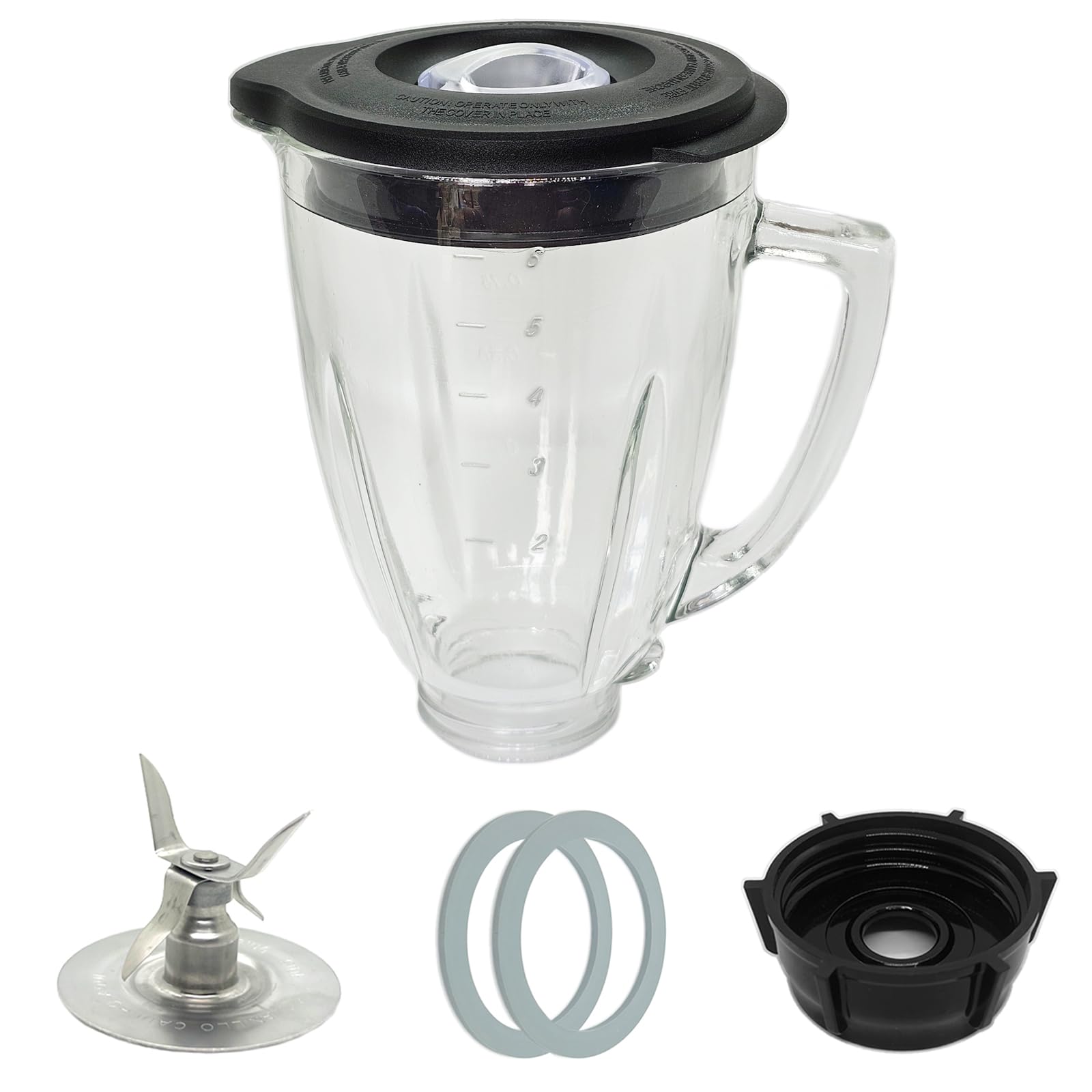
6 Cup Blender Glass Jar Replacement Parts with Blade for Oster Osterizer Classic Series NOT fit Pro
- High-quality product
- Customer favorite
- Best value option
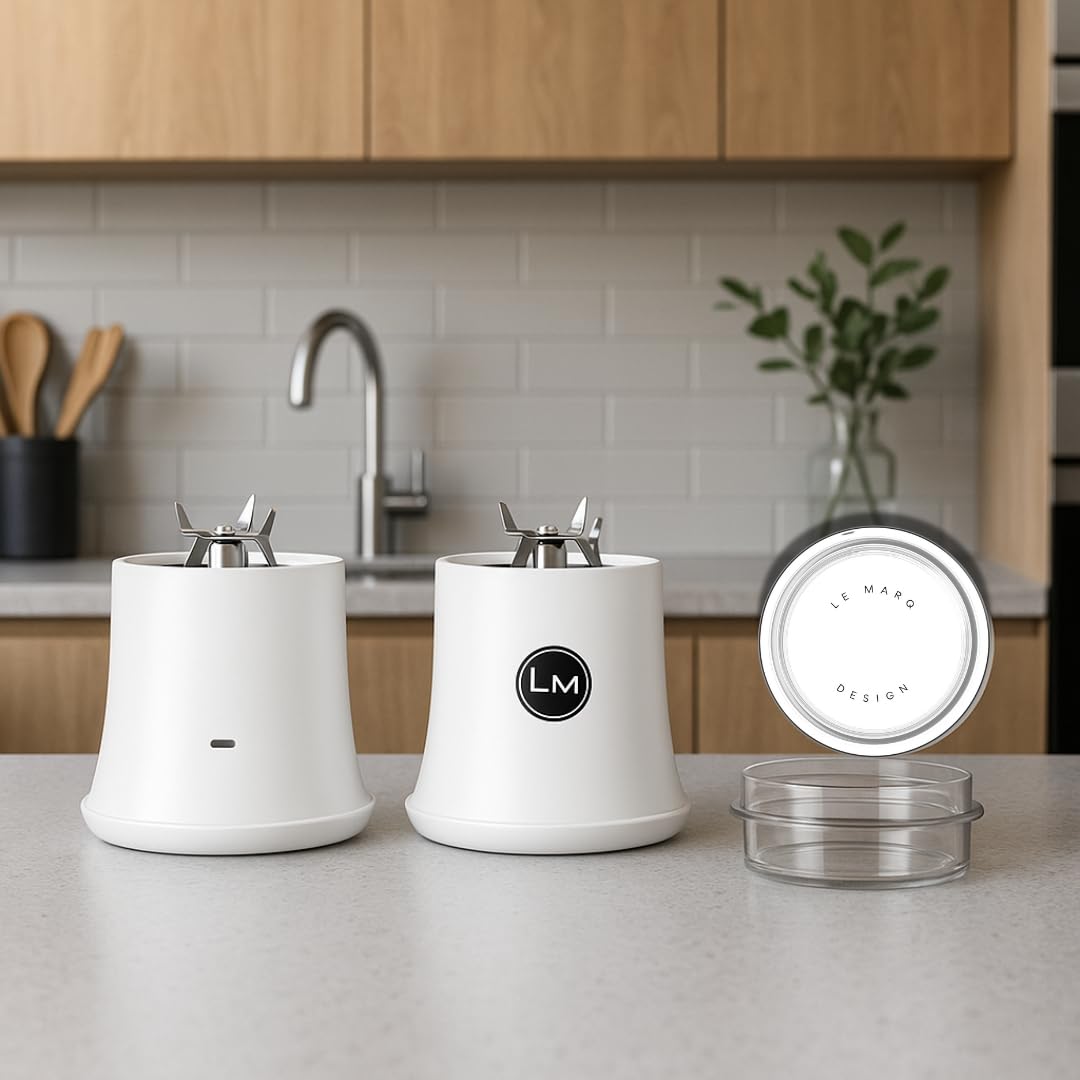
Personal Portable Blender for BALL Mason Jar, Blender Attachment Designed for wide mouth jars by Le
- High-quality product
- Customer favorite
- Best value option
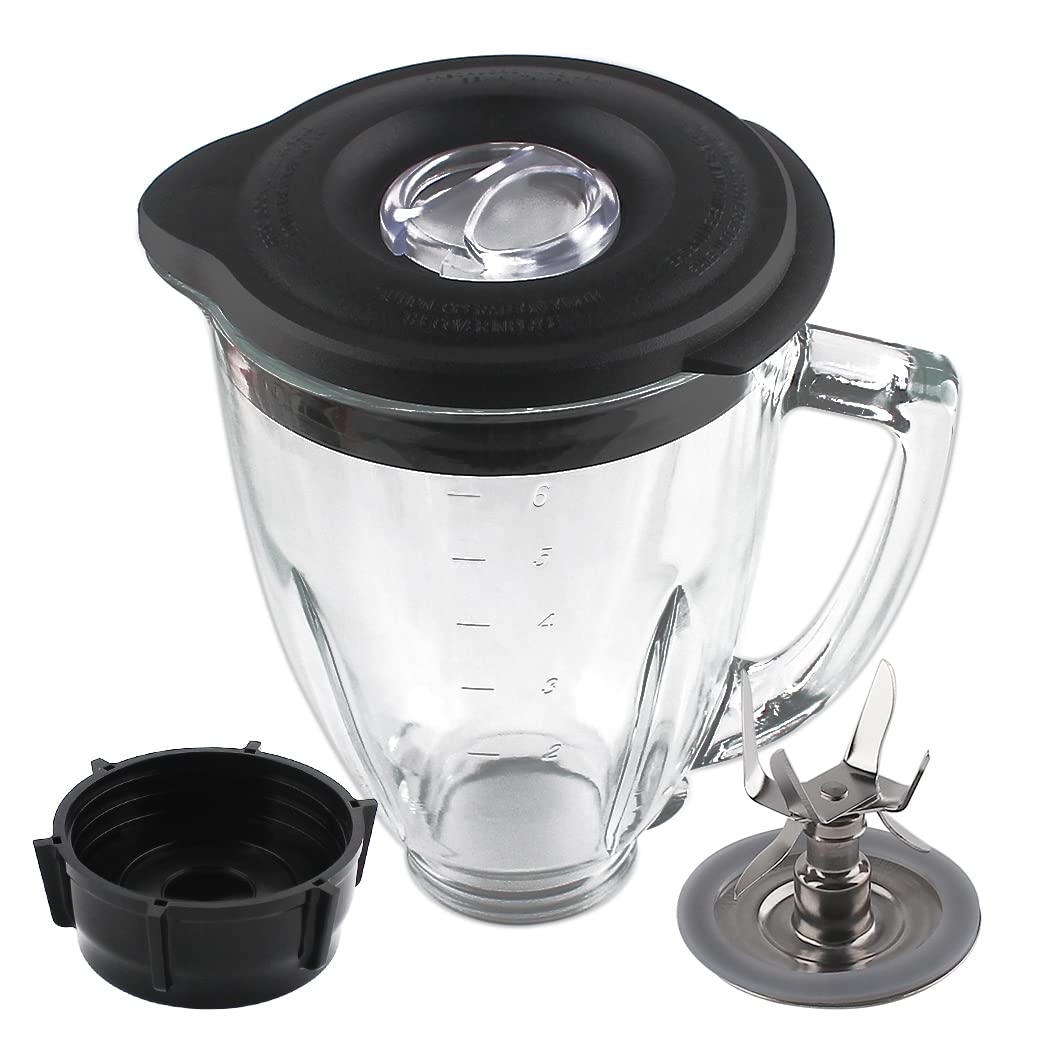
Replacement parts 6-Cup Glass Jar With Blade, Compatible with Oster Blenders
- High-quality product
- Customer favorite
- Best value option
Expert Hacks & Maintenance: Pro-Level Care
Regardless of which side you choose in the glass vs plastic blender jar debate, how you maintain the material will dictate its lifespan.
For Glass Jars:
- The Tempering Trick: Before blending boiling soup, run the jar under warm (not hot) tap water for 30 seconds. This "pre-heats" the glass and reduces the internal stress when the boiling liquid hits the surface.
- Avoid Metal Spoons: Never use a metal spoon to scrape down the sides. Metal can create microscopic nicks in the glass that act as stress concentrators, leading to a crack later on. Use silicone spatulas only.
- The Blade Check: Because glass jars are heavy, people tend to set them down hard on the base. Periodically check the gasket at the bottom of the glass jar for compression. A worn gasket will leak and can cause the glass to vibrate against the plastic base, leading to chips.
For Plastic Jars:
- The Clouding Cure: If your plastic jar is cloudy, it's likely mineral buildup from hard water. Make a paste of baking soda and a little water, scrub the inside with a soft cloth, and let it sit for 20 minutes. Alternatively, blend a whole lemon with some water; the citric acid helps strip away film.
- The Cold Rinse: After blending something hot, rinse with lukewarm water before moving to cold. While plastic doesn't shatter like glass, extreme temperature swings can cause the plastic to "craze" (develop tiny internal cracks).
- Enzymatic Cleaning: To remove stubborn odors (like garlic or onion), use an enzymatic cleaner or a drop of dish soap mixed with a tablespoon of white vinegar. Blend on high for 60 seconds.
Mega FAQ: Expert Insights
1. Is glass better for crushing ice?
Actually, plastic (Tritan) is generally safer for heavy ice crushing. High-speed impact from ice can chip the interior of a glass jar, whereas plastic absorbs the impact.
2. Why do high-end blenders like Vitamix only use plastic?
Safety and performance. At 30,000 RPM, a glass jar would have to be incredibly thick (and heavy) to be safe. Plastic is lighter, allowing for a more powerful vortex and safer operation at high speeds.
3. Can I put my glass blender jar in the dishwasher?
Yes, glass is generally dishwasher safe. However, the heat cycle of a dishwasher can degrade the plastic or rubber gaskets at the base of the jar.
4. Are all plastic blender jars BPA-free?
Modern ones are, but "BPA-free" doesn't mean "chemical-free." If you are highly sensitive to plasticizers, glass is the only way to ensure 100% inertness.
5. Does plastic affect the taste of smoothies?
Not initially. However, if the plastic is old and scratched, it can harbor bacteria and old food particles that may introduce "off" flavors.
6. Can I swap my plastic jar for a glass one?
Usually no. Blender jars are designed specifically for their motor bases. A motor tuned for a light plastic jar might overheat if forced to spin a heavy glass jar.
7. Which material is better for hot soup?
Glass is better for flavor purity and chemical safety with heat, but plastic is safer regarding steam pressure and drop-resistance.
8. How long does a plastic jar last?
With daily use, a high-quality Tritan jar usually lasts 3-5 years before it becomes aesthetically unpleasing (cloudy/scratched).
9. How long does a glass jar last?
Indefinitely, provided it isn't dropped or subjected to thermal shock.
10. Does glass stain from turmeric?
No. Glass is non-porous and will not stain. This is a major advantage for those who use colorful spices.
11. Is Tritan plastic safe?
Tritan is currently considered the gold standard for food-safe plastics, but some independent studies suggest it may still leach chemicals under extreme stress.
12. Which is easier to clean?
Glass. Its smooth, non-porous surface releases food particles much more easily than plastic, especially after the plastic has been scratched.
Closing Thoughts: The Final Verdict
The winner of the glass vs plastic blender jar debate depends entirely on your kitchen habits.
Choose Glass if you are a traditionalist who prioritizes health, blends mostly room-temperature or slightly warm liquids, and wants a jar that looks as good in ten years as it does today. It is the material for the "slow food" advocate who values purity over raw power.
Choose Plastic (Tritan) if you are a power user. If you make daily green smoothies with frozen fruit, crush ice for cocktails, or need a lightweight vessel that can survive a busy, chaotic kitchen, plastic is the pragmatic choice.
Ultimately, the best blender jar material comparison ends with a look at your own hands. Can you handle the weight of glass? Do you trust yourself not to drop it? Or would you rather have the peace of mind that comes with a shatterproof, high-performance polymer? Whichever you choose, proper maintenance is the key to ensuring your blender remains a cornerstone of your culinary arsenal.