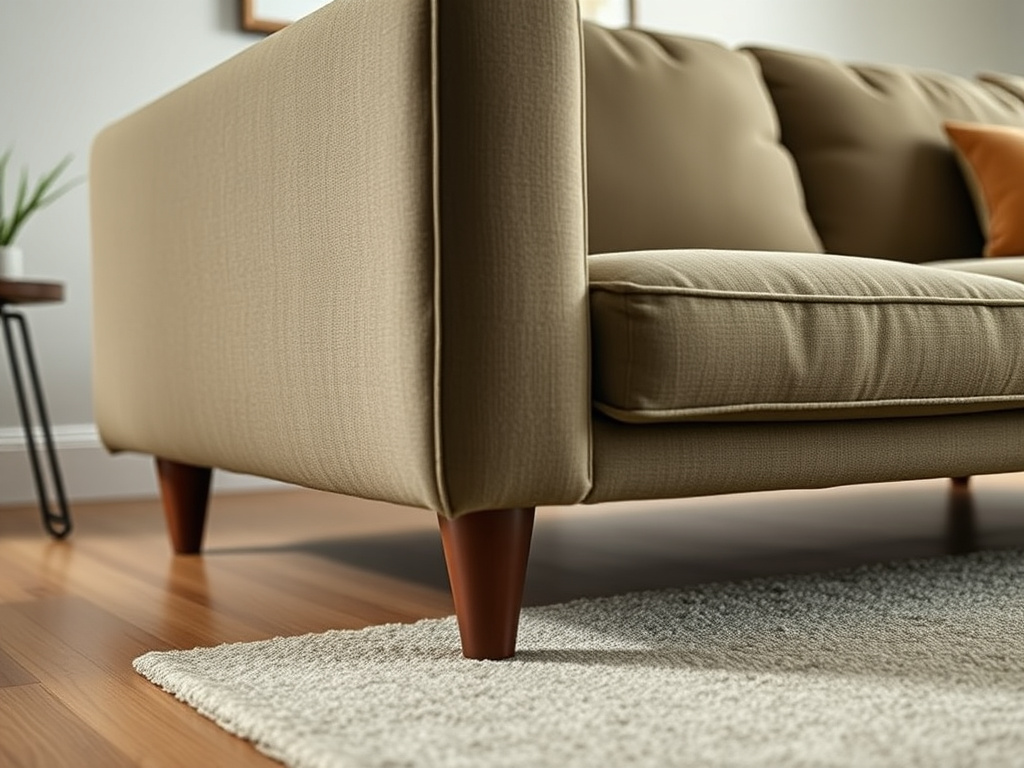
Replacing sofa legs is a fast, low-cost method to refresh your couch’s appearance and functionality. Standard furniture legs use M8 hanger bolts or mounting plates, and swapping them requires only basic tools. The process typically takes under 30 minutes and can elevate clearance, improve stability, or align with mid-century, modern, or rustic design schemes.
What tools and materials do you need to replace sofa legs?
A complete sofa leg replacement kit includes new legs compatible with your couch’s mounting system, a wrench or socket set, a rubber mallet, and wood shims if leveling is required. Most modern sofas use either threaded hanger bolts (M8 standard) or bolt-on mounting plates. Verify your existing hardware before purchasing replacements. For heavy sectionals, use legs rated for 250+ lbs per leg. Always lift the sofa using proper body mechanics or enlist help to avoid injury.
[INTERNAL_LINK: "how to identify furniture leg mounting types" → "furniture-hardware-identification-guide"]
How do you safely remove old sofa legs without damaging the frame?
Secure the sofa on its back or side to access the leg attachments. Use a wrench to counter-rotate the leg while unscrewing it counterclockwise if it uses a hanger bolt. For plate-mounted legs, remove the four to six screws securing the plate to the frame with a Phillips or flathead screwdriver. Never pull or twist legs forcefully—this can strip threads or crack particleboard. If a leg is stuck, apply penetrating oil and wait 10 minutes before retrying. Inspect the attachment point for rot or damage; repair with wood filler or epoxy if necessary.
Which sofa leg styles best match mid-century modern, contemporary, and traditional decor?
Mid-century modern designs favor tapered wooden legs in walnut, teak, or oak with brass ferrules. Contemporary styles use sleek metal legs in matte black, brushed nickel, or chrome with minimal profiles. Traditional sofas pair well with turned wood legs in cherry or mahogany with ornate carvings. Height matters: standard legs range from 4 to 8 inches. Lower profiles (4–5 inches) suit low-slung modern frames; taller legs (7–8 inches) improve vacuum clearance and create airy silhouettes. Always match leg diameter and weight capacity to your sofa’s design and mass.
[INTERNAL_LINK: "best sofa leg finishes for interior design styles" → "sofa-leg-style-matching-guide"]
When should you replace sofa legs instead of repairing or refinishing them?
Replace legs when the original hardware is stripped, cracked, or incompatible with new flooring. Hardwood floors require felt or rubber pads to prevent scratches—many replacement legs include these. Refinishing is viable only for solid wood legs with surface wear; particleboard or MDF legs cannot be sanded or stained effectively. If your sofa sags or rocks due to uneven leg height, adjustable-leveling feet solve the issue faster than shimming. Replacement also makes sense when upgrading from plastic to metal or wood for durability and aesthetics.
Where can you find universal-fit sofa legs for IKEA, Ashley, or custom couches?
Universal-fit legs use M8 hanger bolts (8mm diameter, 1.25mm thread pitch) or pre-drilled mounting plates. IKEA sofas often accept standard M8 bolts—measure the existing thread before ordering. Ashley Furniture and La-Z-Boy models frequently use plate mounts with 50mm x 50mm screw spacing. Online retailers like Amazon, Wayfair, and specialty suppliers (e.g., House Furniture Legs) offer packs of four with matching hardware. Always confirm load rating: residential legs should support 200–300 lbs each. For bespoke frames, consider custom-milled legs from local woodworkers or CNC services.
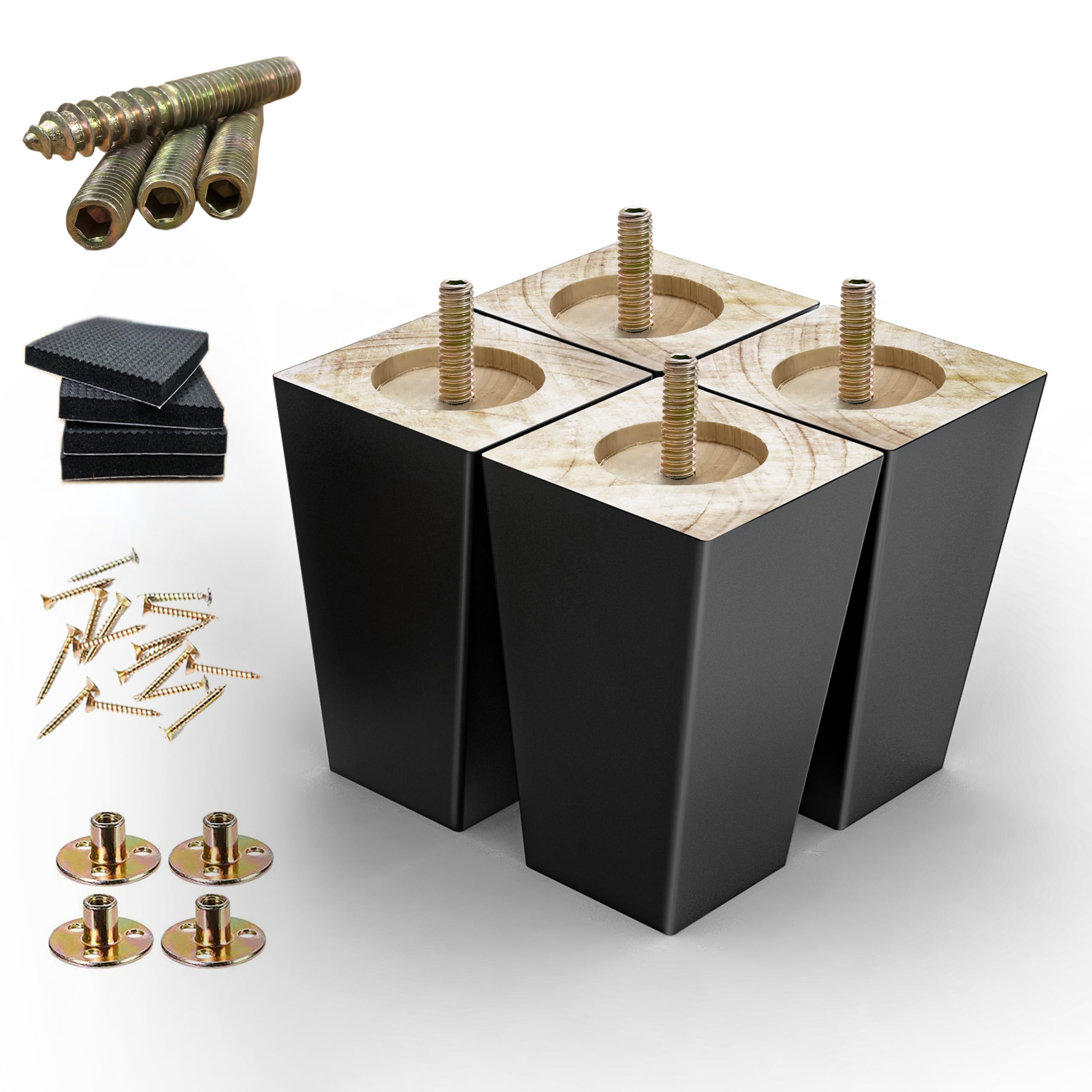
Wood Furniture Legs 4 inch Sofa Legs Pack of 4,Square Couch Legs Black Mid Century Desk Legs,Sofa Re
- High-quality product
- Customer favorite
- Best value option
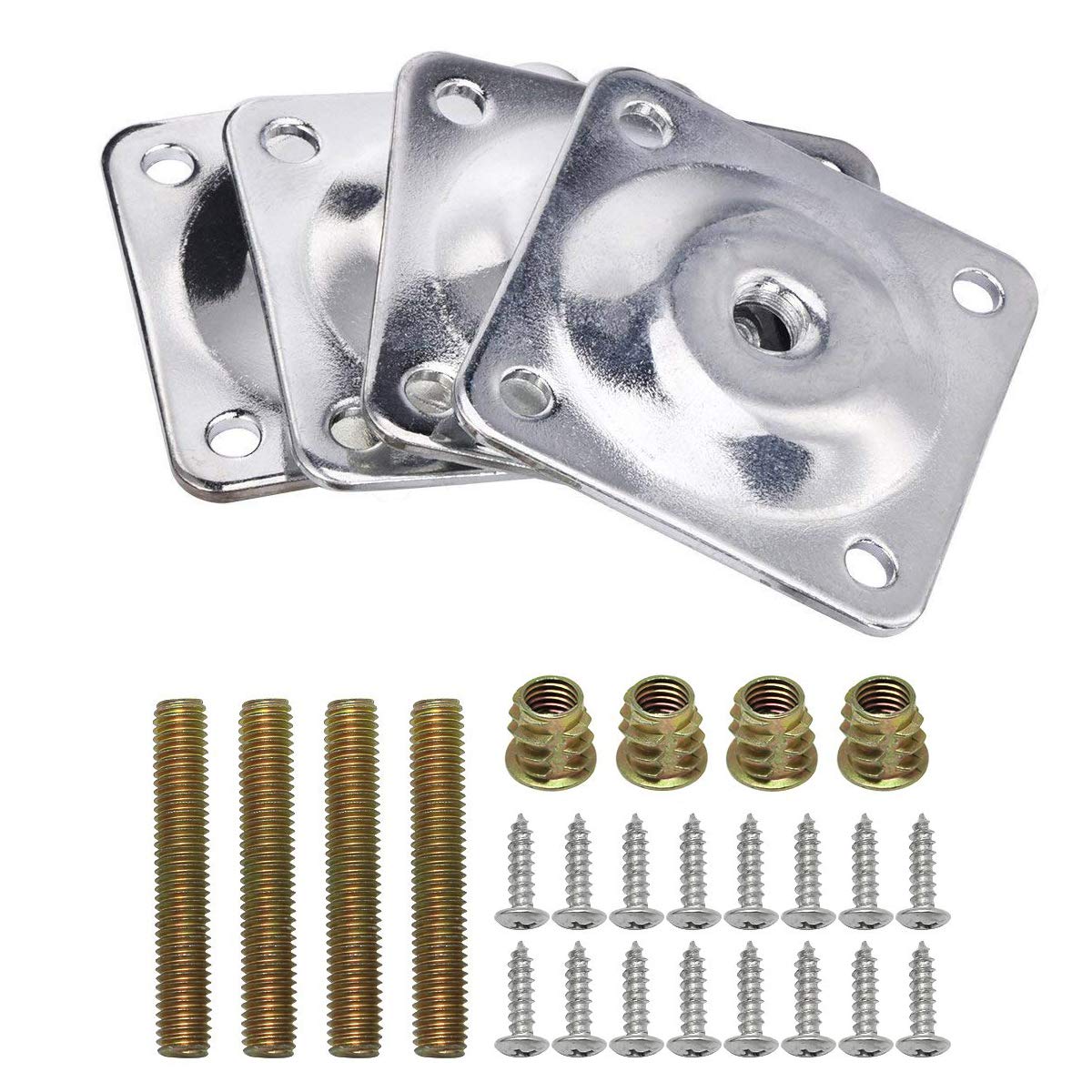
La Vane Furniture Leg Mounting Plates & M8 Hanger Bolts Kit, Heavy Duty Steel Sofa Couch Chair Repai
- High-quality product
- Customer favorite
- Best value option
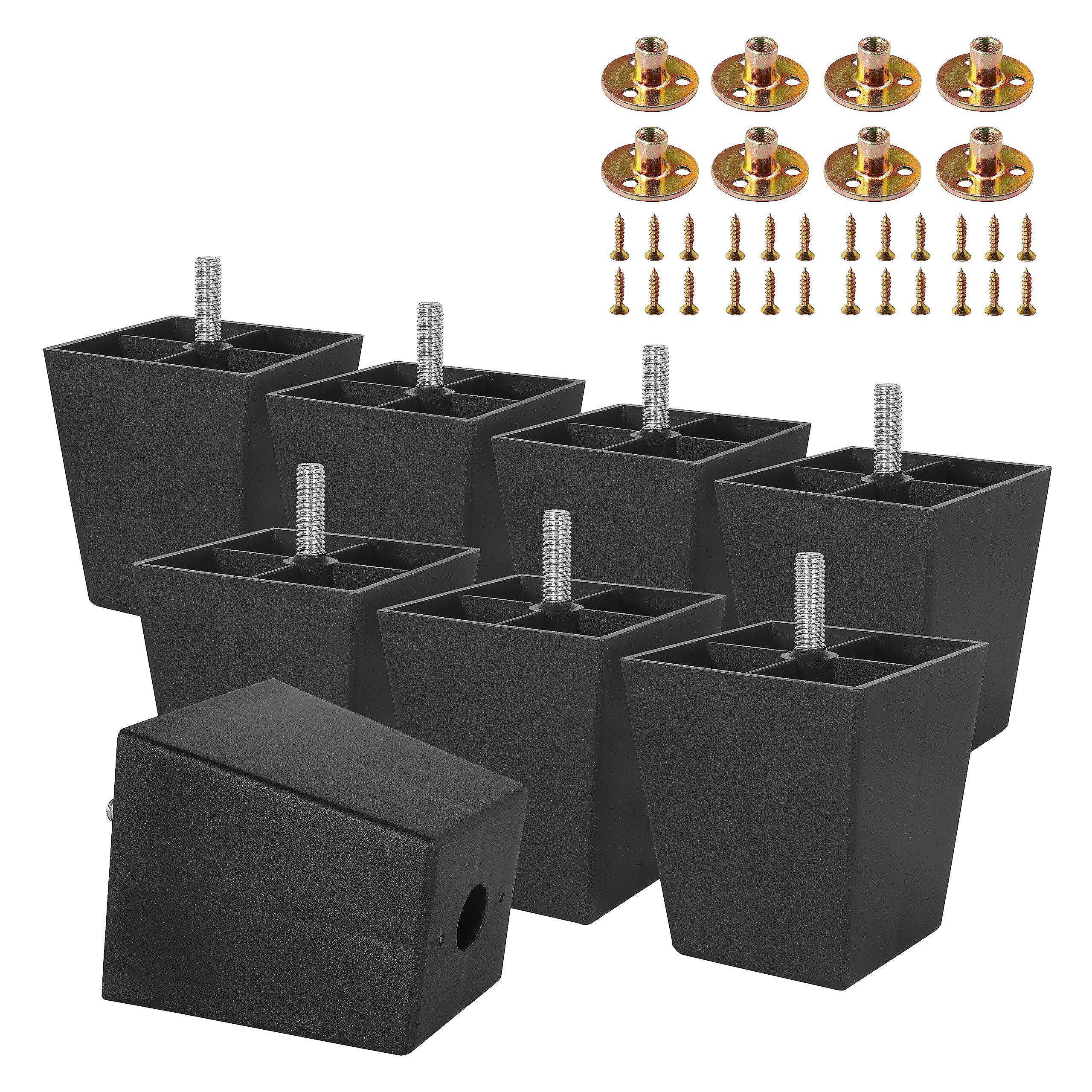
M8-1.25 Metric Thread Bolts Plastic Furniture Legs 3 Inch Black Square Sofa Feet with Plate Nuts – C
- High-quality product
- Customer favorite
- Best value option
Why do adjustable sofa legs improve stability on uneven floors?
Adjustable legs feature threaded stems or leveling feet that compensate for floor inconsistencies up to ½ inch. Turn the base clockwise to raise or counterclockwise to lower, eliminating wobble without shims. Models with rubberized bottoms grip hardwood and tile, reducing slippage. For tile or concrete, choose legs with integrated nylon or TPU pads. High-end options include locking nuts to prevent loosening over time. This feature is critical for sectionals or heavy leather sofas where even minor imbalance causes stress on joints.
[INTERNAL_LINK: "how to level a wobbly sofa without replacing legs" → "sofa-leveling-solutions-guide"]
How do you install new sofa legs using hanger bolts or mounting plates?
For hanger bolt systems, screw the bolt into the leg first, then thread the assembly into the sofa frame. Use a wrench on the leg base to tighten—do not overtighten, as this splits wood. For plate mounts, align the plate with pre-drilled holes and secure with provided screws. Apply threadlocker to screws in high-vibration areas (e.g., near recliner mechanisms). After installation, test stability by applying pressure to each corner. If the sofa rocks, adjust leg height or add shims under shorter legs. Always install all four legs before moving the sofa.
What weight capacity and material considerations apply when choosing replacement sofa legs?
Solid wood legs (oak, maple, walnut) support 300+ lbs each and resist compression. Metal legs (steel, aluminum) offer higher strength-to-weight ratios and suit industrial designs. Avoid plastic legs for sofas over 150 lbs—they deform under sustained load. Check manufacturer specs: budget legs may list 150 lbs capacity, while premium models exceed 400 lbs. For outdoor or humid environments, select powder-coated steel or teak with stainless hardware. Always distribute weight evenly; never use mismatched leg types on the same couch.
Frequently Asked Questions About how to replace sofa legs
Can you replace sofa legs on a recliner or motion sectional?
Yes, but verify clearance for footrest mechanisms. Some power recliners require specific leg heights to avoid interference. Use low-profile legs (3–4 inches) and confirm wiring routes won’t be pinched.
Do all sofa legs use the same thread size?
No. While M8 (8mm x 1.25mm) is standard, some European brands use M6 or M10. Measure the existing bolt diameter and pitch with calipers or a thread gauge before ordering.
How much height do replacement legs add to a sofa?
Most legs add 4–8 inches. Subtract the original leg height from the new one to calculate net gain. For example, replacing 3-inch legs with 6-inch ones raises the sofa by 3 inches.
Are felt pads necessary on new sofa legs?
Yes, for hard flooring. Felt prevents scratches and reduces noise. Self-adhesive pads last 6–12 months; screw-on glides offer permanent protection.
Can you paint or stain replacement sofa legs?
Only solid wood legs accept paint or stain. Metal legs require spray primer and enamel. Plastic legs cannot be refinished effectively.
What causes sofa legs to loosen over time?
Vibration, uneven floors, or overtightening during installation. Use nylon-insert lock nuts or threadlocker to prevent back-out.
Is it safe to mix leg materials (e.g., wood and metal)?
Avoid mixing unless weight capacities match. Mismatched stiffness can cause uneven stress and frame damage.
How do you remove stripped hanger bolts?
Drill a small pilot hole and use an extractor bit. Alternatively, weld a nut to the bolt stub for leverage.
Do replacement legs affect sofa warranty?
Modifications may void warranties on premium brands. Check terms before altering hardware.
Can you install legs on a sofa with a solid base?
Only if the base has pre-drilled holes or accepts surface-mount plates. Solid bases without access points cannot accommodate standard legs.
What’s the average cost to replace sofa legs?
Budget sets start at $20; premium wood or custom legs cost $80–$200. DIY installation eliminates labor fees.
How long do replacement sofa legs last?
Quality wood or metal legs last 10+ years with proper care. Plastic legs degrade in 3–5 years under heavy use.
Replacing sofa legs transforms aesthetics and function in under an hour. Match hardware type, weight rating, and style to your couch and flooring. Always test stability post-installation and use protective pads to preserve floors.