
The Instant Pot sealing ring should be replaced every 6 to 12 months under normal use, or sooner if signs of wear, odor retention, or sealing failure appear. This silicone gasket is critical for maintaining pressure and preventing steam leaks, and its degradation directly impacts cooking performance and safety. Regular replacement ensures consistent results and prolongs the lifespan of your electric pressure cooker.
How often should you replace the Instant Pot sealing ring based on usage frequency?
The replacement interval for an Instant Pot sealing ring depends directly on how frequently the appliance is used. For daily users—those operating their Instant Pot 5–7 times per week—the ring typically requires replacement every 6 months. For moderate users (2–4 times weekly), replacement every 9–12 months is sufficient. Occasional users (once weekly or less) may extend replacement to 12–18 months, provided no visible damage or functional issues arise. High-frequency cooking accelerates silicone fatigue due to repeated thermal cycling, compression stress, and exposure to acidic or aromatic foods, all of which degrade the material over time. Monitoring performance indicators such as failed pressure builds or lingering food odors provides real-time validation of when replacement is necessary, regardless of calendar-based estimates.
What are the clear signs that your Instant Pot sealing ring needs immediate replacement?
Visible deformation, cracking, brittleness, or permanent discoloration indicates immediate replacement is required. Functional failures—such as inability to reach or maintain pressure, excessive steam leakage around the lid, or inconsistent cooking times—are definitive operational red flags. Persistent food odors (especially from strong-smelling dishes like curry, fish, or garlic) that remain after thorough cleaning signal odor absorption beyond the ring’s reversible capacity. Silicone loses elasticity with age, reducing its ability to form a tight seal between the inner pot and lid. Once the material hardens or develops micro-fractures, it cannot compress adequately during pressurization. Ignoring these signs risks undercooked food, energy waste, and potential safety hazards from uncontrolled steam release. Immediate replacement restores proper function and prevents damage to other components.
Why does the Instant Pot sealing ring absorb odors and how does this affect replacement timing?
The porous microstructure of food-grade silicone inherently absorbs volatile organic compounds from strongly scented ingredients during cooking. These molecules penetrate the surface and become trapped within the polymer matrix, resisting removal even with soap, water, or vinegar soaks. Over time, accumulated odors transfer back into neutral-flavored dishes, compromising taste and aroma integrity. This odor retention accelerates the need for replacement, particularly for users who frequently prepare pungent meals. While some third-party rings are marketed as “odor-resistant,” no silicone gasket is fully impervious to long-term absorption. Once odors persist after multiple cleaning attempts, the ring’s functional lifespan ends regardless of physical condition. Proactive replacement every 6 months for heavy users of aromatic foods prevents flavor contamination and maintains culinary consistency.
Which types of Instant Pot sealing rings last longer and why?
Original Equipment Manufacturer (OEM) Instant Pot sealing rings generally outperform generic alternatives in durability and dimensional accuracy. OEM rings are engineered to exact tolerances for specific models (e.g., Duo, Ultra, Max), ensuring uniform compression and minimal stress points during pressurization. High-quality third-party rings made from platinum-cured silicone—not peroxide-cured—offer superior heat resistance, reduced odor absorption, and slower degradation. Platinum-cured silicone maintains flexibility across wider temperature ranges and resists yellowing or hardening. Generic rings often use lower-grade materials that swell, warp, or crack prematurely under repeated pressure cycles. Compatibility matters: a ring designed for a 6-quart model will fail in an 8-quart cooker due to mismatched diameter and groove depth. Always verify model-specific fit and material composition before purchase. Investing in premium silicone extends functional life and reduces long-term replacement frequency.
When should you replace the sealing ring even if it looks fine?
Replace the sealing ring immediately after cooking strongly flavored or colored dishes if you plan to prepare mild-flavored foods (e.g., rice, steamed vegetables, or baby food) in the next cycle. Even without visible damage, odor or dye transfer can occur within a single use. Additionally, replace the ring if your Instant Pot fails a water test: add 2 cups of water, seal the lid, and attempt pressure cooking. If steam escapes continuously from the lid seam or the unit never reaches pressure, the ring has lost elasticity despite appearing intact. Calendar-based replacement remains essential—even unused rings degrade over 18–24 months due to ambient oxidation and UV exposure. Storage in direct sunlight or high-humidity environments accelerates this process. Never assume visual integrity equals functional reliability.
Where can you buy authentic Instant Pot sealing rings and how do you verify quality?
Authentic Instant Pot sealing rings are available directly from Instant Pot’s official website, authorized retailers like Amazon (sold by Instant Brands Inc.), and certified appliance parts suppliers. Verify authenticity by checking for the Instant Pot logo molded into the silicone, precise model numbering (e.g., “SP-M0009” for 6-quart models), and packaging with holographic security seals. Avoid unbranded listings with vague descriptions like “universal fit” or “fits most models,” as these often lack dimensional precision. High-quality third-party options from reputable brands (e.g., Impresa, Genuine Instant Pot Compatible) should specify platinum-cured silicone, FDA compliance, and exact model compatibility. Counterfeit rings may appear identical but fail under pressure due to substandard material composition. Always cross-reference part numbers with your user manual. For detailed guidance on identifying genuine components, see our comprehensive guide on [INTERNAL_LINK: "authentic Instant Pot parts verification" → "instant-pot-genuine-parts-guide"].
How does improper cleaning shorten the Instant Pot sealing ring lifespan?
Harsh detergents, abrasive scrubbers, dishwasher upper-rack exposure, and soaking in bleach or ammonia-based cleaners degrade silicone integrity. These methods strip protective surface layers, accelerate micro-cracking, and increase porosity—leading to faster odor absorption and reduced elasticity. The correct cleaning protocol involves hand-washing with mild dish soap and warm water immediately after use, followed by air-drying away from direct heat or sunlight. Vinegar soaks (1:1 water-to-vinegar, 15 minutes) neutralize odors but should not exceed twice monthly to prevent material swelling. Never use steel wool, scouring pads, or automatic dishwashers, as high heat and agitation cause warping. Residual grease or starch films attract bacteria and promote bacterial biofilm formation, which further degrades silicone. Consistent gentle cleaning preserves structural integrity and extends functional life by up to 30% compared to aggressive methods.
Frequently Asked Questions About how often replace instant pot ring
How long does an Instant Pot sealing ring last with weekly use?
With weekly use, an Instant Pot sealing ring typically lasts 12 to 18 months, assuming proper cleaning and absence of damage from acidic or abrasive foods.
Can you reuse a sealing ring after it starts leaking steam?
No. Steam leakage indicates irreversible loss of elasticity or physical deformation. Continued use risks incomplete cooking and potential safety hazards.
Is it safe to use a cracked Instant Pot sealing ring?
Absolutely not. Cracks compromise the pressure seal, creating uncontrolled steam release points that can cause burns or appliance malfunction.
Do all Instant Pot models use the same sealing ring size?
No. Ring sizes vary by capacity: 3-quart, 6-quart, and 8-quart models require distinct diameters and groove depths. Always confirm compatibility.
Can baking soda remove odors from an Instant Pot sealing ring?
Baking soda may mask mild odors temporarily but cannot reverse deep absorption. Persistent smells necessitate replacement.
Should you replace the sealing ring when buying a used Instant Pot?
Yes. Unknown usage history, potential exposure to harsh cleaners, and age-related degradation make replacement a mandatory safety step.
Does the color of the sealing ring affect performance?
Color (clear, red, blue) is cosmetic only. Performance depends solely on material quality, fit, and condition—not hue.
Can you sterilize an Instant Pot sealing ring in boiling water?
Brief boiling (under 5 minutes) is safe for sterilization but does not restore degraded silicone. Prolonged boiling accelerates wear.
Why does my new sealing ring smell like chemicals?
New platinum-cured silicone may emit a mild odor initially, which dissipates after 2–3 washes. Strong chemical smells suggest low-quality peroxide-cured material—return immediately.
How do you store an Instant Pot sealing ring to maximize lifespan?
Store in a cool, dry, dark place—never compressed or folded. Use the original lid or a breathable cloth bag to prevent dust accumulation.
Does cooking acidic foods (like tomatoes) damage the sealing ring faster?
Yes. High-acid foods accelerate silicone degradation. Rinse the ring immediately after such meals and consider dedicated rings for acidic vs. neutral dishes.
Can a worn sealing ring cause the Instant Pot to display error codes?
Yes. Error codes like “C7” or “PrE” often indicate pressure irregularities directly linked to seal failure from a degraded ring.
Is it worth buying multi-pack sealing rings?
For frequent users or households preparing diverse cuisines, multi-packs offer cost savings and convenience. Rotate rings by dish type (sweet/savory) to minimize cross-contamination.
What happens if you never replace the Instant Pot sealing ring?
Over time, the ring hardens, loses sealing ability, causes undercooking, increases energy consumption, and may trigger repeated error codes—ultimately shortening the cooker’s operational life.
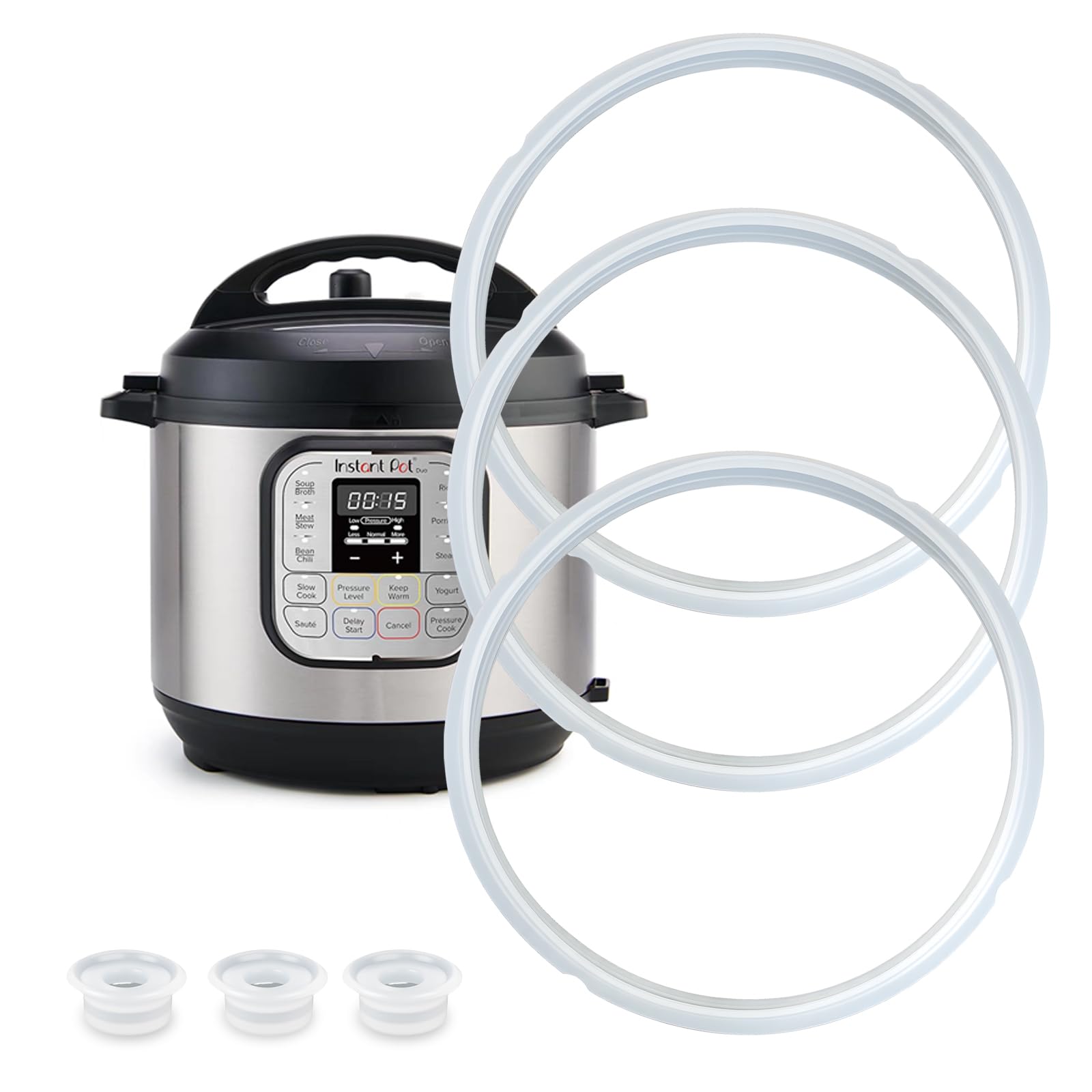
3 Pack Silicone Sealing Rings for Instant Pot 6 Qt, Inner Pot Seal Ring, Replacement Seal Gasket, Fo
- High-quality product
- Customer favorite
- Best value option
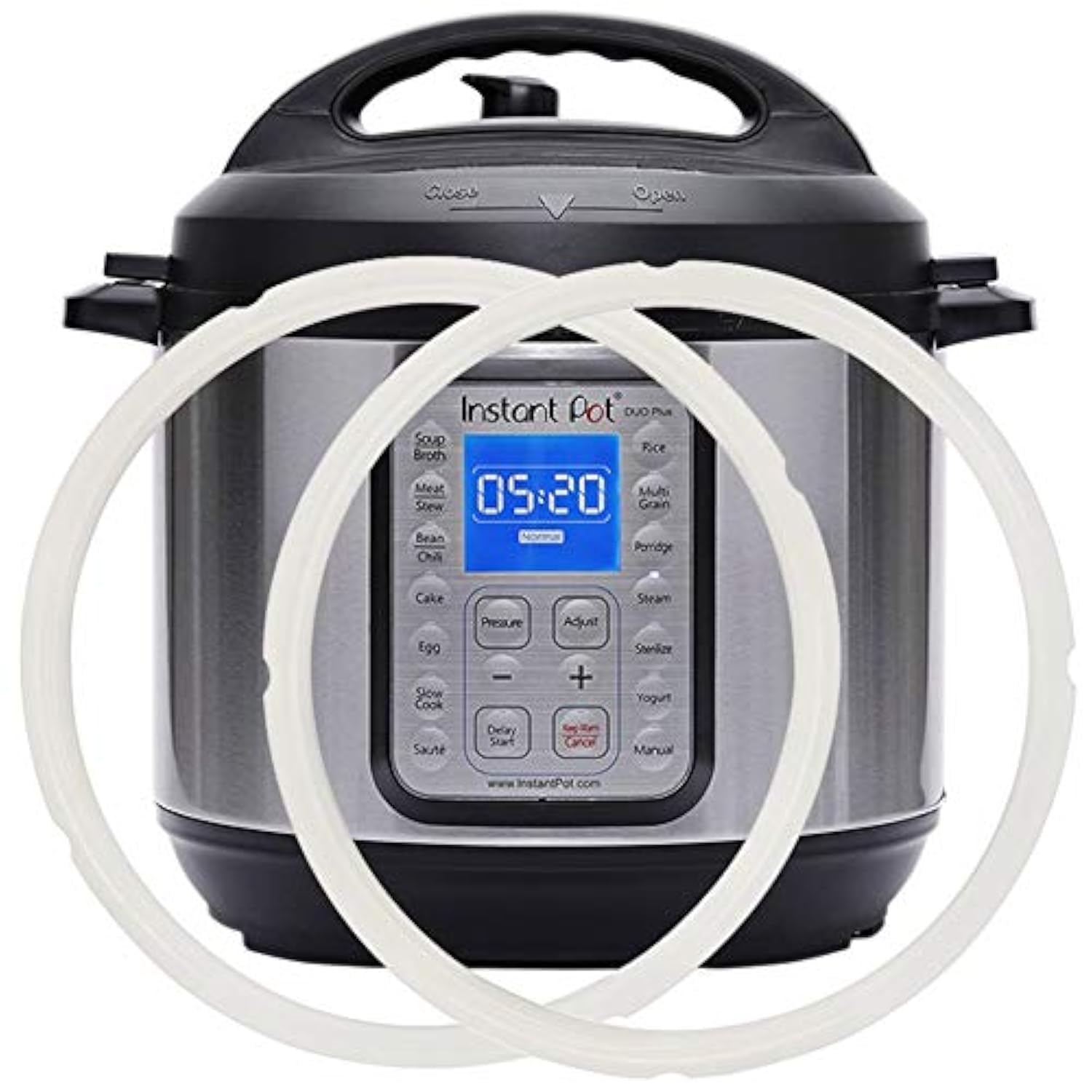
Silicone Sealing Ring 6qt for Instant Pot Sealing ring for 6 5qt Insta Pot, Sweet and Savory, Food-g
- High-quality product
- Customer favorite
- Best value option
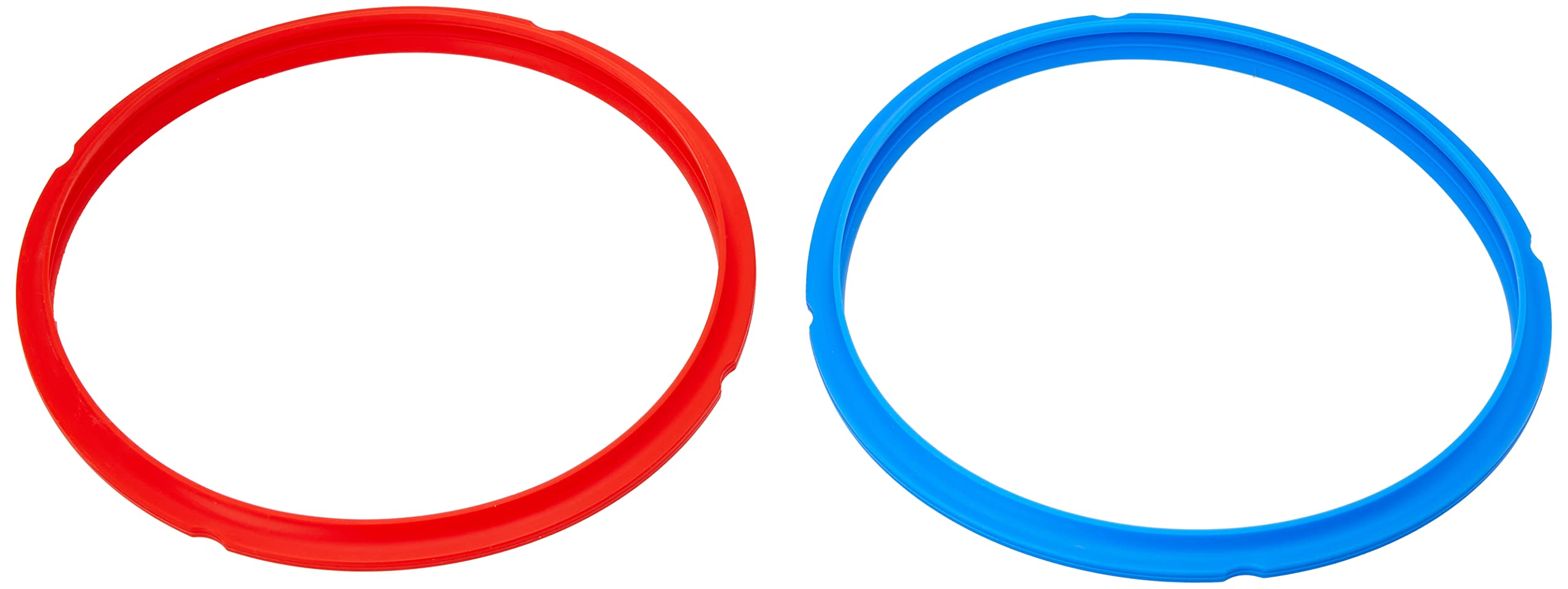
Instant Pot 2-Pack Sealing Ring, Inner Pot Seal Ring, Electric Pressure Cooker Accessories, Non-Toxi
- High-quality product
- Customer favorite
- Best value option
Replace your Instant Pot sealing ring every 6–12 months based on usage intensity, or immediately upon observing physical damage, odor retention, or sealing failure. Prioritize OEM or platinum-cured silicone rings matched to your exact model for optimal performance and safety. Consistent maintenance and timely replacement preserve cooking efficiency, flavor integrity, and appliance longevity.