
The Moment of Realization: Why a Scratched Rice Cooker Pot Matters
For many households, the rice cooker is the unsung hero of the kitchen. It is a set-it-and-forget-it marvel that delivers perfect grains every time. However, there is a specific moment of dread that every rice cooker owner eventually faces: you are rinsing the inner bowl, the light hits it just right, and you see it—a jagged, silver line marring the smooth, dark surface of the non-stick coating. Suddenly, the convenience of your appliance is overshadowed by a looming question: Is a scratched rice cooker pot safe?
This isn't just an aesthetic concern. The inner pot is the most critical component of the machine, acting as the interface between raw thermal energy and the food you ingest. Most modern rice cookers utilize a non-stick coating, typically Polytetrafluoroethylene (PTFE), commonly known by the brand name Teflon, or a ceramic-based alternative. When this layer is compromised, the "magic" of the appliance begins to fail. Rice starts sticking, the heat distribution becomes uneven, and more importantly, the chemical integrity of the cooking vessel is called into question.
Understanding the implications of a rice cooker pot scratched requires a dive into material science and food safety standards. We live in an era where we are increasingly conscious of "forever chemicals" and heavy metal leaching. When that protective barrier is broken, you aren't just looking at a cosmetic flaw; you are looking at a potential point of entry for contaminants into your diet. Whether you own a high-end Japanese Zojirushi or a budget-friendly Aroma, the physics of the scratch remain the same.
In this mega guide, we will dissect the anatomy of your rice cooker’s inner pot, analyze the toxicological risks associated with damaged coatings, and provide a definitive methodology for deciding when to salvage your pot and when to consign it to the recycling bin. We will move past the internet myths and look at the hard data regarding PFOA, PTFE, and aluminum exposure. By the end of this deep dive, you will have the expert knowledge required to protect your health and your palate.
The Critical Problem: Toxicology and Performance Degradation
When we analyze the "critical problem" of a scratched rice cooker pot, we must look at it through two lenses: chemical safety and mechanical performance. From a safety perspective, the primary concern for decades was PFOA (perfluorooctanoic acid), a processing agent used in the manufacture of non-stick coatings. While PFOA has been largely phased out of production since 2013, the PTFE coating itself remains.
PTFE is a stable fluoropolymer at normal cooking temperatures. However, when a rice cooker pot is scratched, the physical bond between the coating and the substrate (usually aluminum or an alloy) is compromised. This creates "flecking." As you stir your rice or wash the pot, microscopic—and sometimes visible—flakes of the non-stick coating can migrate into your food. While the human body generally passes PTFE without absorbing it, the psychological and long-term biological impact of ingesting plastic polymers is a growing area of concern in nutritional science.
The more immediate danger lies beneath the coating. Most inner pots are constructed from aluminum because of its excellent thermal conductivity. Aluminum, however, is a reactive metal. In its raw state, it can leach into food, especially when exposed to heat and acidic or salty environments (common in seasoned rice dishes or "clay pot" style recipes). While the human body can process small amounts of aluminum, chronic overexposure has been linked in some studies to neurotypical concerns. The non-stick coating acts as a vital "biocompatible" barrier; once scratched, that barrier is gone.
From a mechanical standpoint, a scratch acts as a "heat sink" or a "hot spot." The uniform thermal emissivity that the manufacturer engineered is disrupted. In the area of the scratch, rice is more likely to burn or develop a "crust" (tahdig or guoba), which leads to further scrubbing. This creates a vicious cycle: the more you scrub to remove stuck rice from a scratch, the more you enlarge the scratch and damage the surrounding coating.
Furthermore, many high-end induction heating (IH) rice cookers rely on specific magnetic properties of the inner pot. If a scratch is deep enough to reach the magnetic stainless steel layers or the copper plating found in premium models, it can cause the induction coils to behave inconsistously, leading to error codes or undercooked rice. In short, a scratch is never "just a scratch"—it is a systemic failure of the pot's design.
Methodology: The Expert Assessment Guide
If you find a scratch, you don't necessarily need to throw the appliance away immediately. Follow this expert-level methodology to determine if your scratched rice cooker pot is safe or if it’s time for a replacement.
Phase 1: The Depth and Location Audit
Not all scratches are created equal. Use a clean fingernail (gently) to feel the scratch.
- Micro-scratches (The "Hairline" Group): These are surface-level abrasions often caused by using a metal spoon once or twice. If you cannot feel the scratch with your fingernail and no silver metal is showing through, the pot is generally considered safe for continued use, provided you stop using abrasive tools immediately.
- Gouges (The "Exposed Substrate" Group): If you can see the silver or grey metal beneath the dark coating, the pot’s integrity is lost. This is a "Code Red" situation. The exposed metal will oxidize and leach, and the edges of the scratch will begin to peel.
- Rim Scratches: Scratches on the very top rim of the pot, where the lid sits, are less critical than those on the bottom or sides where the rice actually cooks.
Phase 2: The "Peel and Flake" Test
This is the most critical safety check. Take a dry, white paper towel and rub it firmly over the scratched area.
- Pass: The paper towel remains white and clean. This suggests the coating is still bonded to the metal.
- Fail: You see tiny black or grey specks on the paper towel. This means the coating is actively delaminating. Stop using the pot immediately. Ingesting these flakes is the primary health risk.
Phase 3: The Stick Factor
Cook a small batch of plain white rice using the standard water ratio. When the cycle finishes, attempt to fluff the rice with a plastic or silicone spatula.
- If the rice clings aggressively to the scratched area, leaving a starchy residue that requires soaking to remove, the pot is functionally dead. The non-stick properties are gone, and the increased friction will only lead to more coating loss during cleaning.
Phase 4: Considering the Material
The "safe" threshold changes based on what the pot is made of:
- Ceramic-Coated Pots: These are generally safer when scratched because the coating is mineral-based rather than plastic-based. However, they lose their non-stick properties much faster once scratched.
- Stainless Steel (Uncoated): If you have a stainless steel pot (like those found in some Instant Pots or Buffalo brand cookers), scratches are purely cosmetic. You can scrub them, polish them, and keep cooking indefinitely.
- Clay/Charcoal Coated: These are highly specialized. A scratch here can lead to the pot cracking due to thermal expansion stress. These should be replaced if the scratch is deep.
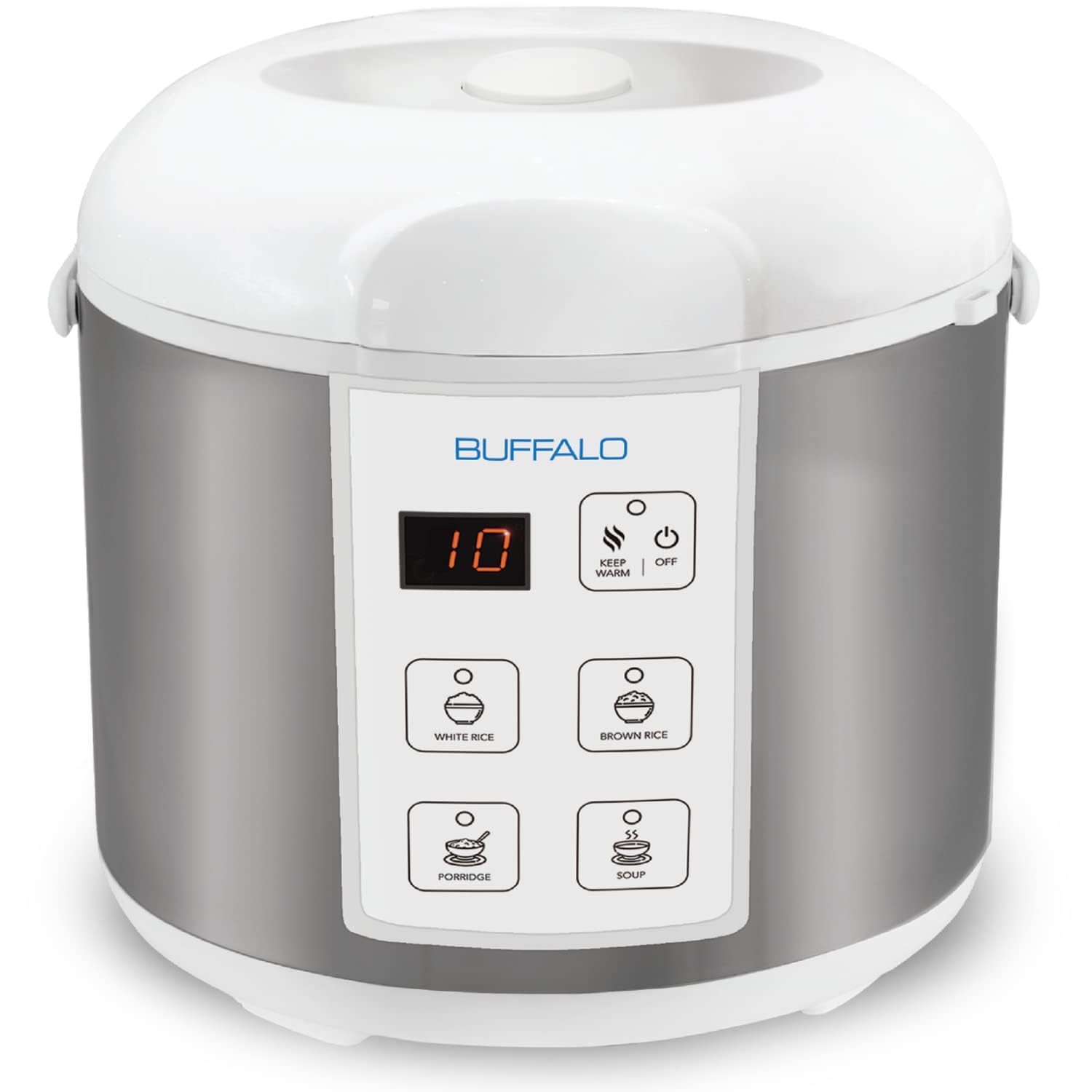
Buffalo Classic Rice Cooker with Clad Stainless Steel Inner Pot – Electric Rice Cooker for White/Bro
- High-quality product
- Customer favorite
- Best value option
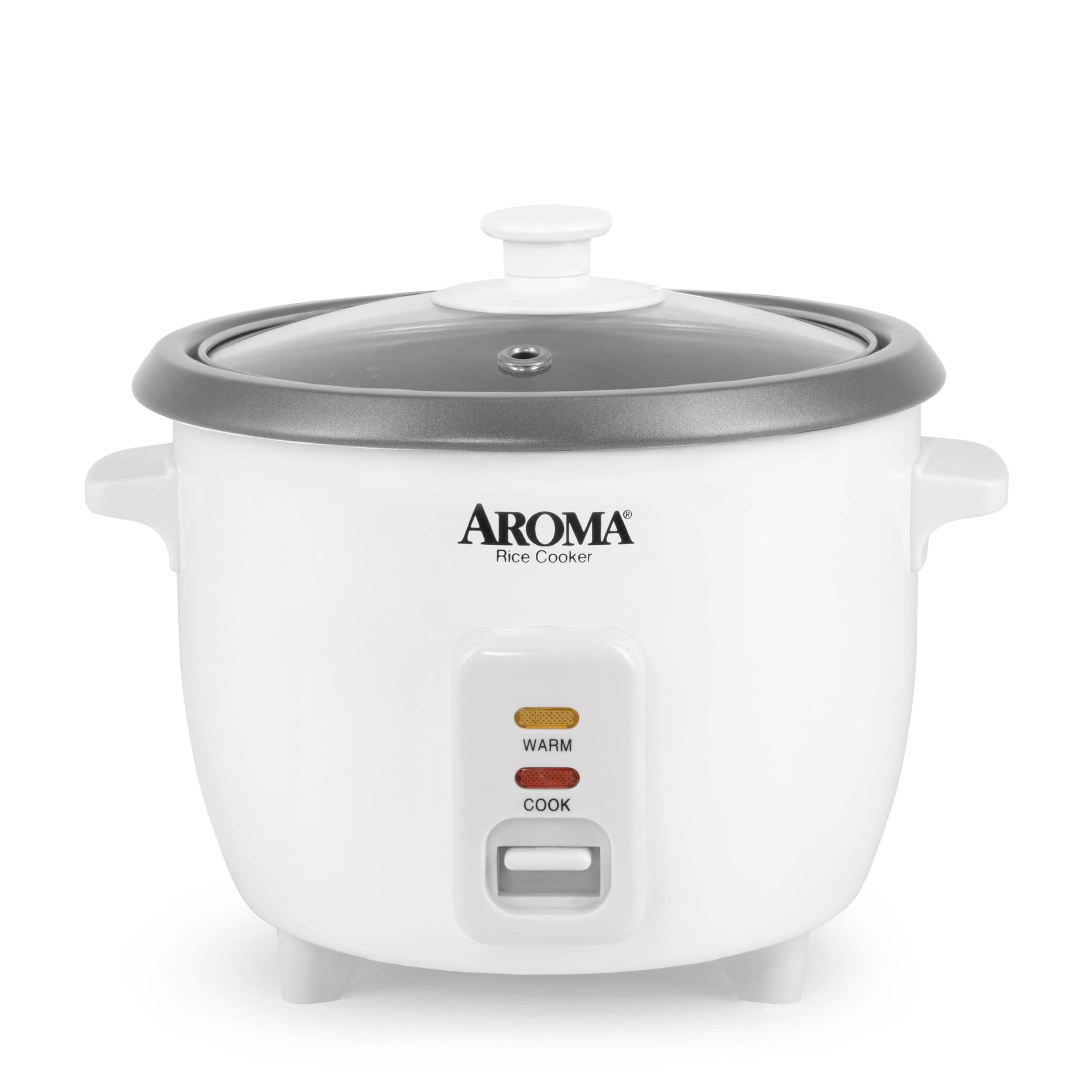
AROMA® Rice Cooker, 3-Cup (Uncooked) / 6-Cup (Cooked), Small Rice Cooker, Oatmeal Cooker, Soup Maker
- High-quality product
- Customer favorite
- Best value option
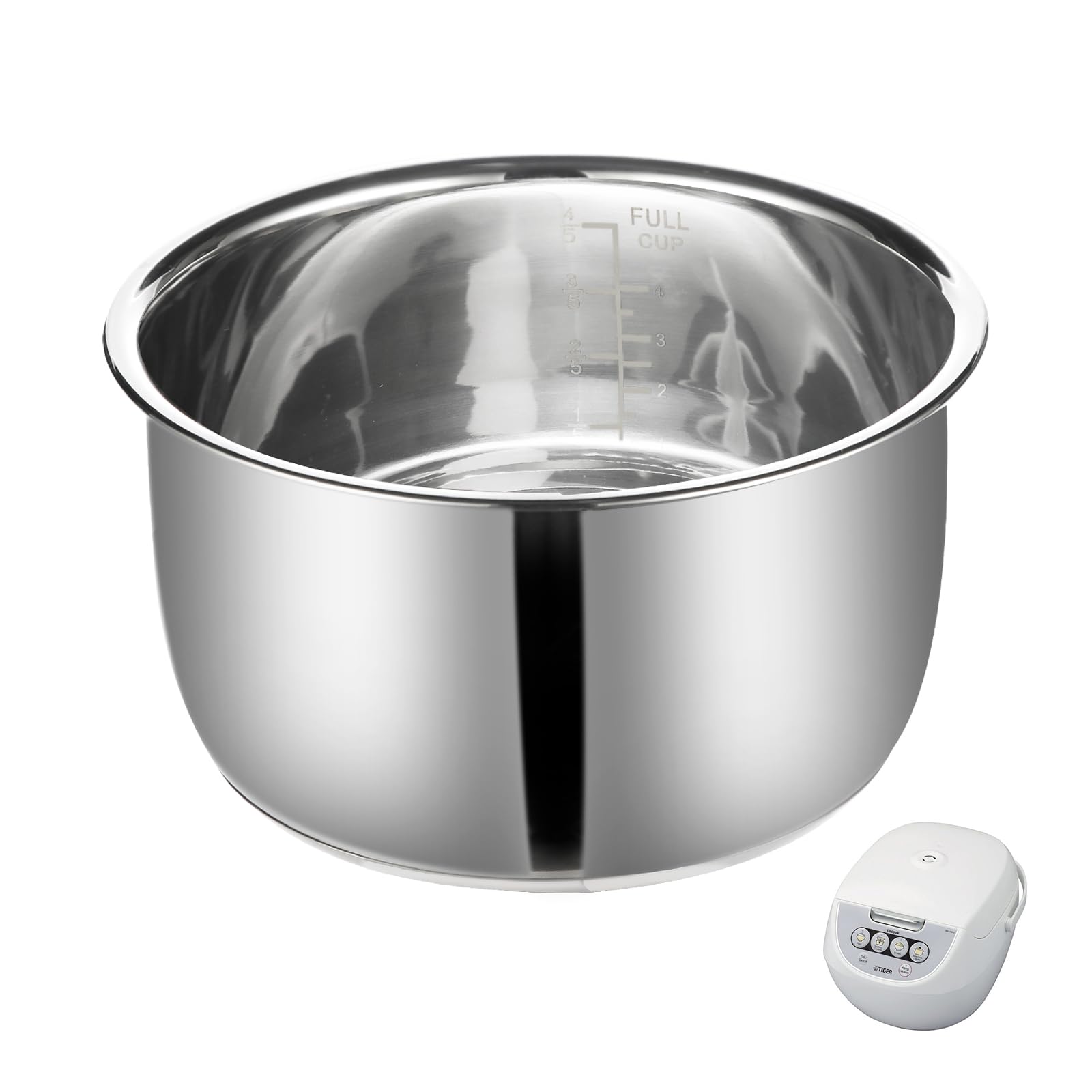
Replacement Rice Cooker 5.5 Cup Inner Pot Only Compatible with Tiger JBV-A10U Inner Pot, 304 Stainle
- High-quality product
- Customer favorite
- Best value option
Expert Hacks & Maintenance: Extending the Life of Your Inner Pot
If you have just purchased a new rice cooker or a replacement pot, you need to treat it with the reverence of a precision instrument. Most people treat their rice cooker pot like a standard boiling pot; this is a mistake.
1. The "Two-Bowl" Washing Method
Never, under any circumstances, wash your raw rice inside the non-stick inner pot. While the rice grains themselves are soft, they often contain small pebbles or hard husk fragments that act like sandpaper when swirled around. Use a separate plastic or mesh colander to wash your rice, then transfer it to the inner pot. This single change can double the lifespan of your coating.
2. Utensil Discipline
Throw away the metal spoons. Even the "soft" metal ones can gouge PTFE. Only use silicone or high-quality plastic paddles (shamoji). If you want to be a true pro, use a wooden paddle, but ensure it is sanded smooth.
3. Thermal Shock Prevention
Never take a hot inner pot and plunge it into cold soapy water. The rapid contraction of the metal substrate happens at a different rate than the non-stick coating. This causes "micro-tears" in the bond between the two, leading to bubbling and peeling later on. Allow the pot to cool to room temperature naturally before it touches water.
4. The Dishwasher Myth
Even if your manual says "Dishwasher Safe," keep the inner pot out of there. Dishwasher detergents are highly abrasive and caustic. Over time, they will "thin out" the non-stick coating, making it more susceptible to scratches from ordinary use. Hand wash with the soft side of a sponge only.
Mega FAQ: Everything You Need to Know
1. Is a scratched rice cooker pot safe if I only use it for white rice?
If the scratch is deep enough to show metal, it is not recommended. White rice is neutral, but the heat of the cooking process can still facilitate the leaching of the underlying metals.
2. Can I repair a scratched non-stick coating?
No. There are no consumer-grade "repair kits" that are food-safe or durable enough to withstand the heat and moisture of a rice cooker. Once the coating is compromised, it cannot be patched.
3. Does Zojirushi sell replacement pots?
Yes, most premium brands like Zojirushi, Tiger, and Cuckoo sell replacement inner pots. They can be expensive (often 40-50% of the cost of the machine), but it is cheaper than buying a whole new unit.
4. What happens if I accidentally ate a flake of the coating?
Don't panic. PTFE is chemically inert and generally passes through the digestive tract without being absorbed. However, you should stop using the pot to prevent further ingestion.
5. Are ceramic rice cooker pots better than Teflon ones?
Ceramic is often marketed as "healthier" because it is PFOA/PTFE-free. However, ceramic coatings are generally more brittle and can lose their non-stick properties faster if not cared for perfectly.
6. Is it okay to use a scratched pot if I line it with parchment paper?
This is a common "hack," but it’s not ideal. Parchment paper can interfere with the steam circulation and the thermal sensors of the rice cooker, leading to unevenly cooked rice or potential overheating.
7. Why is my rice cooker pot peeling but not scratched?
This is usually caused by thermal shock or dishwasher use. The bond between the coating and the metal has failed. This is arguably more dangerous than a scratch because the flakes are larger.
8. Can a scratched pot cause the rice cooker to smell?
Yes. Food particles and bacteria can become trapped in the deep grooves of a scratch, where they are difficult to clean. When heated, these trapped particles can produce an off-smell.
9. Are stainless steel inner pots the best alternative?
If you are tired of worrying about scratches, a stainless steel inner pot (like the Buffalo brand) is the ultimate solution. It is virtually indestructible, though you may need to adjust your water ratios slightly as it heats differently.
10. How long should a non-stick rice cooker pot last?
With daily use and proper care (no metal, no dishwasher), a high-quality pot should last 3 to 5 years. If yours is failing sooner, review your cleaning and washing habits.
11. Does a scratch affect the "Keep Warm" function?
It can. Scratches can lead to localized "drying out" of the rice during the keep-warm phase, resulting in a hard yellow crust at the bottom of the pot.
12. Can I use a generic replacement pot from Amazon?
Be careful. The weight and material of the pot are calibrated to the machine’s sensors. A pot that is too light or too heavy may cause the rice cooker to shut off early or burn the rice. Always try to find a pot specifically listed for your model number.
Closing Thoughts
A rice cooker pot scratched is more than a minor annoyance; it is a sign that your kitchen’s workhorse is reaching the end of its safe operational life. While a single hairline scratch might not be an immediate health crisis, it represents the first crack in the armor. By understanding the risks of metal leaching and coating ingestion, you can make an informed decision.
If you value longevity and want to leave the cycle of "scratch and replace" behind, consider transitioning to a stainless steel inner pot system. If you prefer the ease of non-stick, remember the golden rules: wash your rice in a separate bowl, use only silicone tools, and never put that pot in the dishwasher. Your health, and the quality of your sushi rice, depends on the integrity of that inner bowl. Treat it well, and it will serve you for years; ignore the scratches, and you’re inviting unwanted chemistry into your dinner.