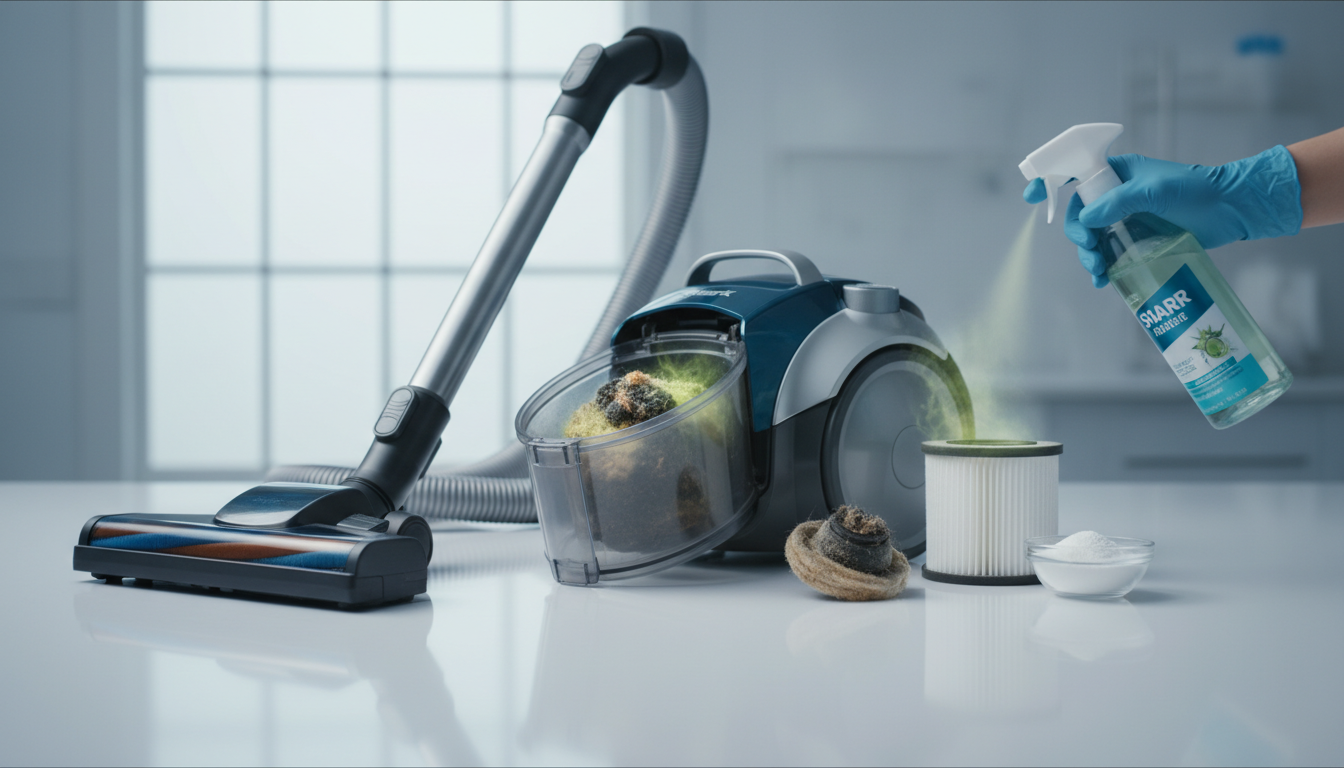
The Anatomy of the "Stink-Cycle": Why Your Shark Vacuum Smells
You’ve just spent forty-five minutes meticulously detailing your carpets, expecting the crisp, clean scent of a refreshed home. Instead, as the motor whirrs to a stop, you’re greeted by a pungent, lingering aroma that sits somewhere between a wet dog and a locker room. This is the "stink-cycle," a common but frustrating reality for many Shark vacuum owners. When a high-performance machine like a Shark Navigator, Apex, or Vertex begins to emit foul odors, it isn’t just an inconvenience; it is a sign that the machine’s internal ecosystem has been compromised.
Shark vacuums are engineered with powerful suction and sophisticated "Anti-Allergen Complete Seal" technology. While this is a selling point for allergy sufferers—ensuring that 99.9% of dust and allergens are trapped—it also creates a pressurized environment where odors can become concentrated. If you don't manage the maintenance of these sealed systems correctly, the very technology designed to keep your air clean ends up recirculating concentrated "exhaust funk" back into your living space.
Understanding the origin of a shark vacuum smells issue requires looking past the surface. It isn't just about an overfilled dust cup. It’s about the physics of airflow and the biological reality of what we suck up every day. From dander and skin cells to microscopic food particles and moisture, your vacuum is a mobile Petri dish. When these elements meet the warmth of a high-powered motor, the "cooking" effect begins. This guide is designed to dismantle the problem from the inside out, providing you with the expert-level protocols needed to deodorize your machine and keep it smelling like a professional-grade tool rather than a household hazard.
The Critical Problem: Microbial Incubation and Thermal Volatilization
To solve a shark vacuum odor, you must first understand the "Critical Problem" of microbial incubation. Most users treat their vacuum as a passive collection device. In reality, a vacuum is an active environment. When you vacuum your floors, you aren't just picking up "dirt." You are collecting organic matter: pet sebum (the oils from their skin), food proteins, moisture from damp carpets, and fungal spores.
Once these elements are trapped inside the dust cup and the pleated HEPA filters, they are subjected to the heat generated by the vacuum's motor. This thermal energy accelerates the decomposition of organic material. For example, pet hair isn't just hair; it’s coated in oils that go rancid when heated. When the vacuum’s airflow passes through this rancid material, it carries Volatile Organic Compounds (VOCs) out through the exhaust.
Furthermore, Shark's high-efficiency filtration system can become its own worst enemy if moisture enters the equation. If you vacuum up even a small amount of dampness—perhaps from a recently cleaned rug or a spilled water bowl—that moisture becomes trapped within the foam and felt filters. Because these filters are dense, they do not dry quickly. This creates a dark, damp, and warm environment—the perfect trifecta for mold and mildew growth. Once a fungal colony establishes itself in your foam filters, every time you turn on the vacuum, you are effectively aerosolizing mold spores into your home.
Finally, there is the issue of "Mechanical Odor." This occurs when the brush roll or the drive belt (in older models) is under duress. If hair and string are tightly wrapped around the brush roll, the friction creates heat that can singe the plastic or the fibers themselves, leading to a "burning" smell. This isn't just a cleaning issue; it’s a mechanical failure waiting to happen. Addressing these odors is not just about home fragrance; it’s about preserving the lifespan of your investment.
Methodology: The Complete Shark Deodorization Protocol
Restoring a Shark vacuum to its factory-fresh state requires more than a quick wipe-down. Follow this systematic methodology to eliminate odors at the source.
1. The Dust Cup Deep-Clean
The dust cup is the primary reservoir for odors. Over time, a fine film of dust and oils (biofilm) coats the interior walls.
- Action: Empty the bin, then submerge it in warm, soapy water (use a grease-cutting dish soap).
- Expert Tip: Use a long-handled soft brush to scrub the "cyclone" assembly inside the bin. This is where fine dust accumulates and rots. Ensure the bin is 100% dry before reattaching; any residual moisture will instantly trigger a new mildew cycle.
2. The Filter Restoration (The 24-Hour Rule)
Shark vacuums typically use a three-stage filtration system: a foam filter, a felt filter, and a post-motor HEPA filter.
- Action: Wash the foam and felt filters under cold water until the water runs clear. Do not use soap on the HEPA filter unless specifically stated in your manual, as it can break down the fibers.
- The Golden Rule: Never, under any circumstances, reinstall filters that are even slightly damp. They must air dry for at least 24 to 48 hours. Using a hair dryer can warp the foam, so patience is your best tool here.
3. De-Gunking the Brush Roll and Floor Nozzle
The floor nozzle is often the source of "burning" or "musty" smells.
- Action: Use the "Zero-M" or "Activelift" maintenance access to remove the brush roll if your model allows. Cut away all wrapped hair, string, and carpet fibers.
- Check the Intake: Look into the "neck" of the floor nozzle. Debris often gets lodged in the pivot point, where it traps pet hair and begins to smell.
4. Clearing the "Hidden" Blockages
A partial clog in the hose doesn't always stop suction, but it does trap debris that will eventually stink.
- Action: Drop a coin or a small ball through the hose. If it doesn't fall through freely, you have a clog.
- The Vinegar Flush: For persistent hose smells, disconnect the hose and pour a mixture of warm water and white vinegar through it. Rinse thoroughly and hang it over a shower rod to dry completely.
Shark AI Ultra Voice Control Robot Vacuum with Matrix Clean Navigation, Home Mapping, 60-Day Capacit
- High-quality product
- Customer favorite
- Best value option
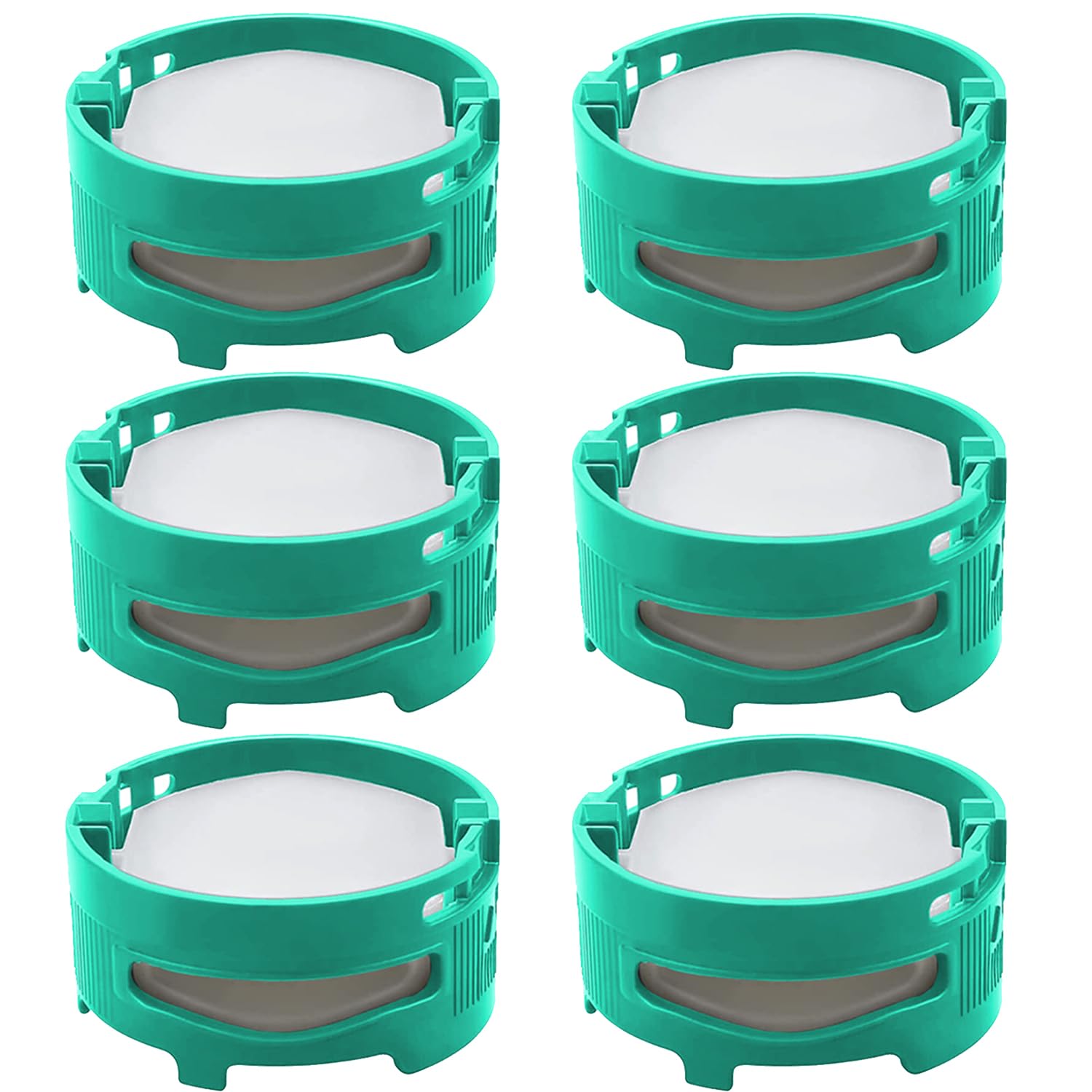
6 Pack Replacement for Shark Odor Neutralizer Cartridge AZ3002 HZ3002 Accessories for Shark Vacuum C
- High-quality product
- Customer favorite
- Best value option
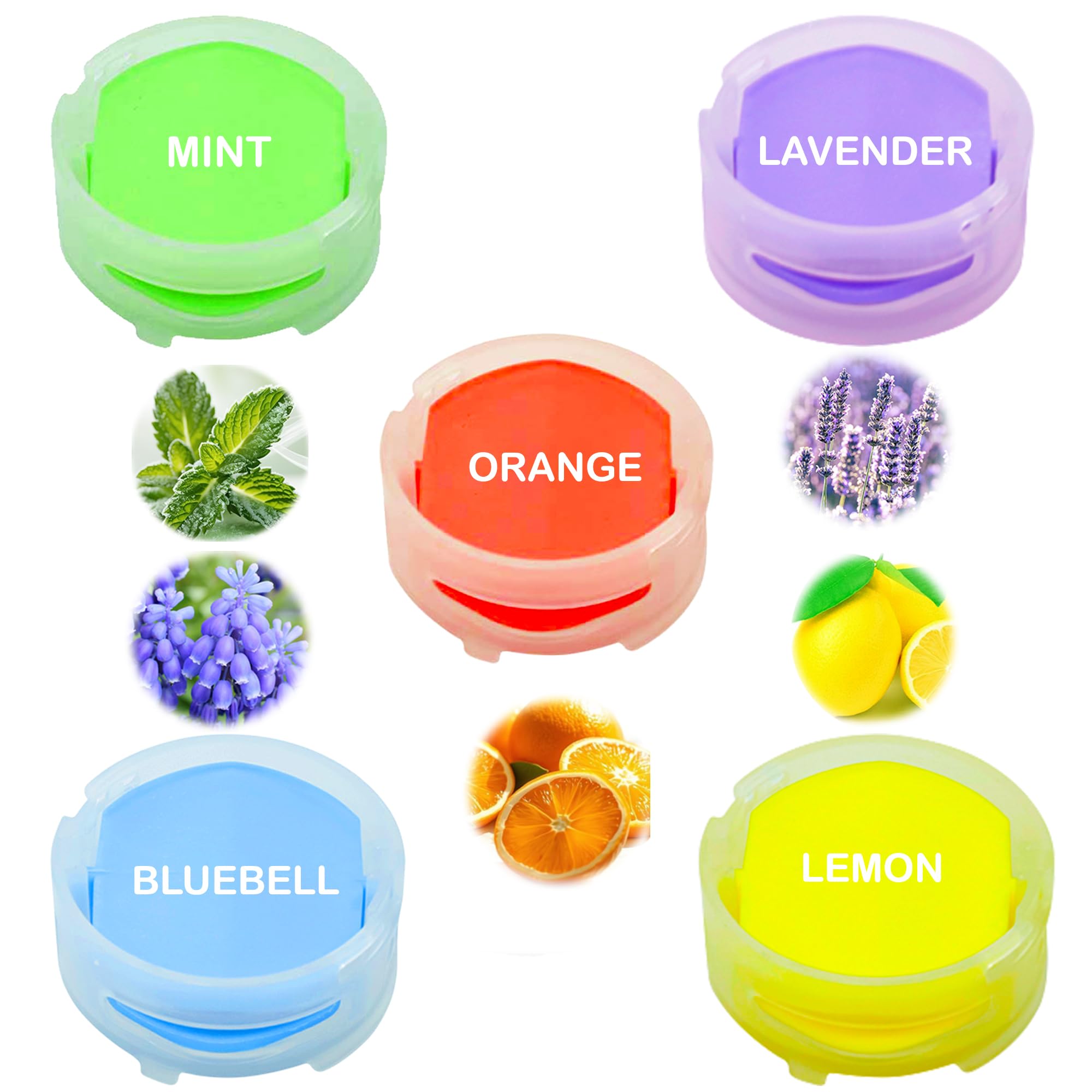
Odor-Neutralizer Replacement Cartridges Compatible with Shark ZU102 LA702 AZ3002 AZ4002 AZ3000 HZ300
- High-quality product
- Customer favorite
- Best value option
Expert Hacks & Advanced Maintenance
Once you have mastered the basic cleaning protocol, you can use these authority-level hacks to ensure your shark vacuum odor never returns.
The Baking Soda "Dry Wash"
If your carpet has a lingering scent (like pet accidents), vacuuming it directly will transfer that smell to the vacuum. Before vacuuming, sprinkle a light layer of baking soda mixed with two drops of lemon essential oil on the carpet. Let it sit for 20 minutes. The baking soda acts as a desiccant, absorbing moisture and odors before they enter the vacuum's airflow.
The Essential Oil Filter Hack
While you should never saturate a filter with oils, placing a single drop of high-quality eucalyptus or peppermint essential oil on the edge of the foam filter can act as a natural deodorizer. As the air passes through, it picks up a light, clean scent. Warning: Use only one drop; too much oil can attract dust and clog the pores of the filter.
UV Sterilization
If you have a persistent moldy smell, place your disassembled dust cup and filters in direct sunlight for 4–6 hours. The natural UV rays from the sun are incredibly effective at killing bacterial colonies and fungal spores that soap and water might miss.
Checking the Thermal Cutoff
If your vacuum smells like burning rubber or "hot electronics," check the airflow. Shark vacuums have a thermal protection switch. If the vacuum is struggling to breathe due to a clog, the motor will overheat. If you smell "hot" smells, check the small "hose-to-wand" connection at the base of the machine; this is a notorious spot for Lego pieces or coins to create a bottleneck.
Mega FAQ: Solving Your Shark Vacuum Odor Issues
1. Why does my Shark vacuum smell like a wet dog?
This is usually caused by pet dander and sebum being trapped in the foam filters or the brush roll. When the motor heats up, these oils go rancid. Deep clean your filters and brush roll to eliminate this.
2. Can I wash the HEPA filter in my Shark?
Most Shark HEPA filters are "washable," but you must check your specific manual. If you do wash it, rinse with water only (no soap) and let it dry for at least 48 hours.
3. Why is there a burning smell when I turn it on?
A burning smell usually indicates a jammed brush roll or a failing motor. Check for hair wrapped around the roll. If the roll spins freely by hand, the motor may be overheating due to a blockage.
4. How often should I replace my Shark filters?
Foam and felt filters should be replaced every 6 months, and HEPA filters every 12 months, especially in homes with pets.
5. My vacuum smells like rotten eggs. What happened?
You likely vacuumed up something organic (like food) or moisture that has since developed a bacterial bloom. You must disinfect the dust cup and hose with a vinegar solution.
6. Is it safe to put dryer sheets in the dust bin?
It is not recommended. Dryer sheets can restrict airflow and contain waxes that may coat the internal sensors or filters of your Shark.
7. Can I use scented powders on my floor?
Use them sparingly. Fine powders can bypass the initial filters and clog the motor-cooling intake, leading to overheating and a "dusty" smell.
8. Why does the smell come back after I clean the filters?
The odor is likely trapped in the internal hose or the cyclone assembly inside the dust cup. You need to clean the "hidden" parts of the air path.
9. Does the "Odor Neutralizer" cartridge actually work?
Yes, Shark’s Odor Neutralizer Technology uses a replaceable cartridge to mask and neutralize VOCs in the exhaust. Ensure your dial is turned to the desired intensity.
10. Can I spray Febreze into my vacuum?
Never spray liquids directly into the intake. This can damage the motor and cause electrical shorts.
11. Why does my vacuum smell like ozone?
A slight ozone smell can be normal for electric motors, but a strong smell indicates the motor brushes are wearing out or the motor is working too hard due to a clog.
12. How do I get a "musty" smell out of the vacuum hose?
Detach the hose, soak it in a bathtub with warm water and baking soda, rinse thoroughly, and ensure it is completely dry before use.
Closing Thoughts: Proactive vs. Reactive Maintenance
A shark vacuum smells bad only when the maintenance schedule has fallen behind the workload of the home. If you have high-traffic areas, children, or pets, the factory-recommended cleaning intervals are often insufficient. By treating your vacuum as a precision instrument that requires regular decontamination, you ensure that your cleaning routine actually results in a cleaner, fresher environment.
The key to a long-lasting, fresh-smelling Shark vacuum is airflow. Any restriction in that airflow—whether it's a dirty filter, a tangled brush roll, or a clogged hose—creates heat and traps odors. By following the protocol outlined in this guide, you don't just fix the smell; you optimize the performance of the machine, ensuring that your Shark continues to provide the deep-cleaning power it was designed for. Stay proactive, keep your filters bone-dry, and your home will finally smell as clean as it looks.