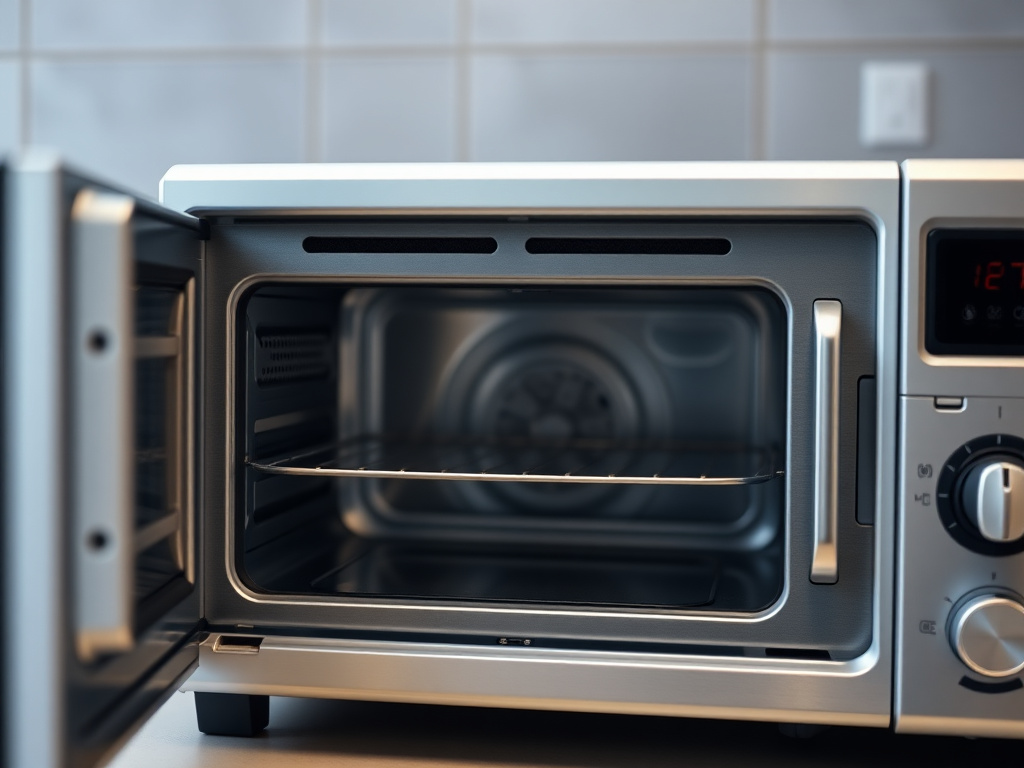
Toaster oven door won’t close due to misaligned hinges, warped door frames, food debris blocking the seal, or worn-out door gaskets. These issues prevent proper closure and compromise safety and heating efficiency. Immediate inspection and targeted fixes resolve most cases without professional repair.
What causes a toaster oven door to not close properly?
A toaster oven door fails to close when physical obstructions, mechanical misalignment, or component wear disrupt the door’s intended path or sealing mechanism. Common culprits include accumulated crumbs or grease in the door track, bent hinge pins, warped door glass or frame from repeated thermal cycling, and degraded rubber gaskets that no longer compress evenly. In some models, the door latch mechanism may become disengaged or corroded, preventing full engagement with the oven body. Thermal expansion during use can also temporarily distort lightweight door assemblies, especially in budget units with thin-gauge metal or plastic components. Identifying the root cause requires visual inspection of the door perimeter, hinge alignment, and interior cavity for blockages.
How do you fix a loose toaster oven door that won’t shut?
Tighten loose hinges by accessing the mounting screws on the side or top of the door assembly and securing them with a Phillips-head screwdriver. If the door still sags or gaps after tightening, check for stripped screw holes; insert a toothpick or wooden matchstick coated in wood glue into the hole, let it dry, then reinsert the screw for a snug fit. For doors with adjustable hinge tension, locate the tension screw (often recessed near the pivot point) and turn it clockwise to increase resistance. Replace worn or cracked door gaskets using manufacturer-specific replacements—measure the old gasket’s length and cross-section before ordering. Clear any food residue lodged in the door channel using a soft brush and mild detergent, ensuring the path is unobstructed. If the door frame is visibly warped, replacement may be necessary, as realigning bent metal often compromises structural integrity.
Why does my toaster oven door have a gap when closed?
A persistent gap between the door and oven body indicates hinge misalignment, a deformed door frame, or an oversized replacement gasket. Hinges loosen over time due to thermal stress and repeated opening/closing cycles, causing the door to drop slightly and create a visible seam along the top or sides. Warping occurs when the door assembly—particularly glass panels bonded to thin metal frames—is exposed to uneven heating or physical impact. An incorrectly installed or swollen gasket can also prevent full closure by creating excess resistance. Measure the gap with a feeler gauge: gaps exceeding 2mm compromise heat retention and pose burn risks. Realignment involves loosening hinge screws, repositioning the door flush with the oven cavity, and retightening while holding the door closed. For severe warping, consult the manufacturer for a replacement door assembly.
Which tools are needed to repair a toaster oven door that won’t close?
Essential tools include a Phillips-head screwdriver for hinge and panel access, needle-nose pliers for removing small retaining clips or springs, a soft-bristle brush for cleaning debris, and a multimeter if electrical latch mechanisms are suspected. A flashlight aids inspection of dark interior tracks and hinge cavities. For gasket replacement, silicone-based lubricant (food-safe) helps ease installation without tearing the new seal. If hinge screws are stripped, a drill bit and epoxy filler may be required to rebuild the screw hole. Always disconnect the toaster oven from power before disassembly. Avoid using power tools on plastic components to prevent cracking. Keep the user manual handy for model-specific disassembly sequences—some doors require removal of control knobs or side panels before hinge access.
When should you replace instead of repair a toaster oven door?
Replace the door when the frame is cracked, the glass is shattered, hinges are irreparably bent, or the door latch mechanism is broken beyond adjustment. Older models (10+ years) with persistent alignment issues often suffer from metal fatigue, making repeated repairs ineffective. If the oven fails to maintain temperature due to poor sealing even after gasket replacement and hinge realignment, internal heating elements or insulation may be compromised, indicating overall unit degradation. Safety concerns—such as exposed wiring near the door hinge or excessive heat leakage—warrant immediate replacement. Cost-benefit analysis favors replacement when repair parts exceed 50% of a new unit’s price. Modern toaster ovens with roll-top or French-door designs offer improved durability and easier maintenance than traditional drop-down doors.
Where can you find replacement parts for a toaster oven door?
Purchase OEM (original equipment manufacturer) parts directly from the brand’s official support website (e.g., Cuisinart, Breville, Black+Decker) using the model number printed on the unit’s label. Third-party suppliers like RepairClinic, PartSelect, or Amazon carry compatible gaskets, hinges, and latch kits—verify compatibility by cross-referencing part numbers. For discontinued models, search eBay or specialty appliance salvage sites for used assemblies. Always confirm the door type (single-pane, double-pane, roll-top, French door) and dimensions before ordering. Some manufacturers offer free diagrams or exploded views online to identify correct components. Avoid generic “universal” gaskets; they rarely provide an airtight seal and may degrade faster under high heat.
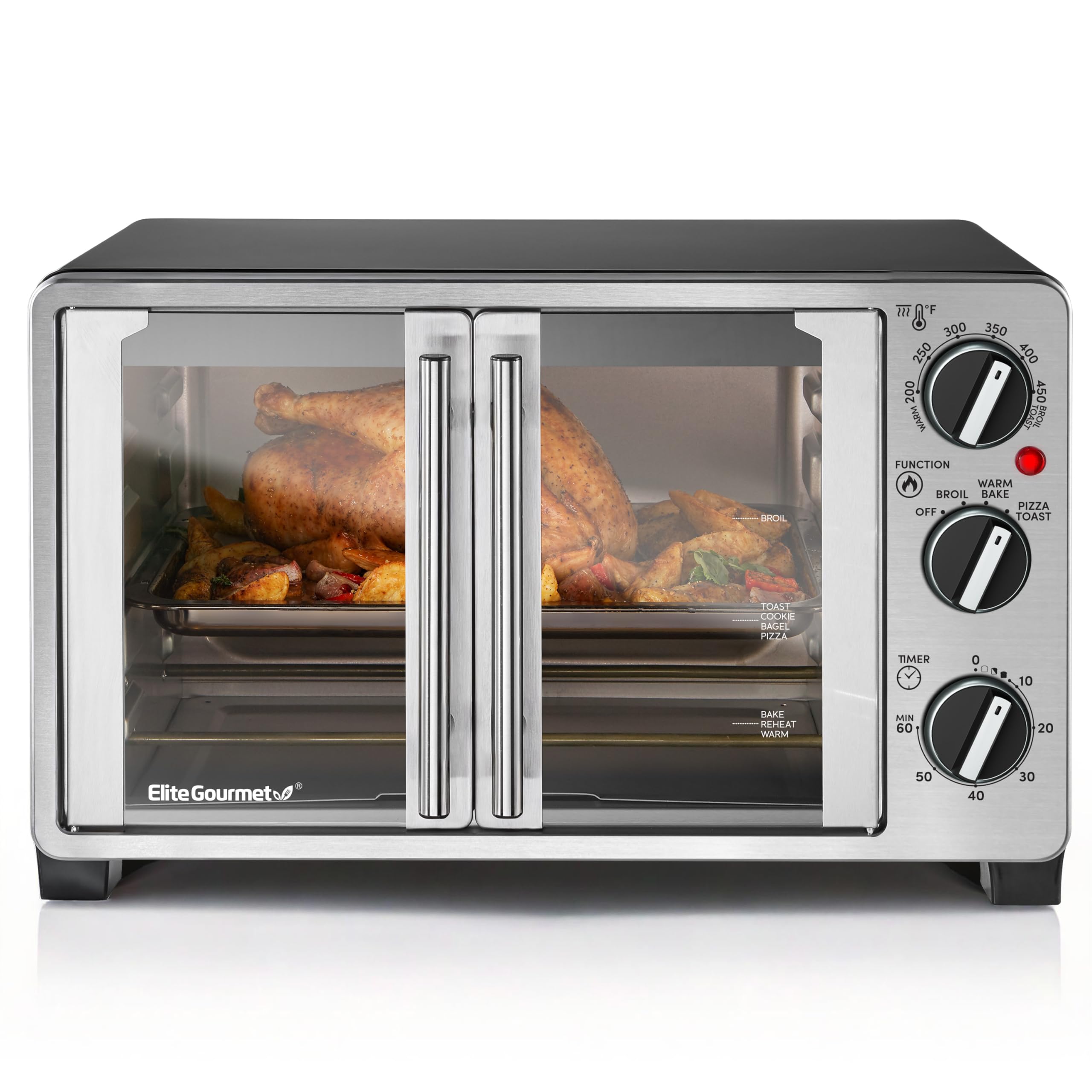
Elite Gourmet ETO2530M Double French Door Countertop Toaster Oven, Bake, Broil, Toast, Keep Warm, Fi
- High-quality product
- Customer favorite
- Best value option
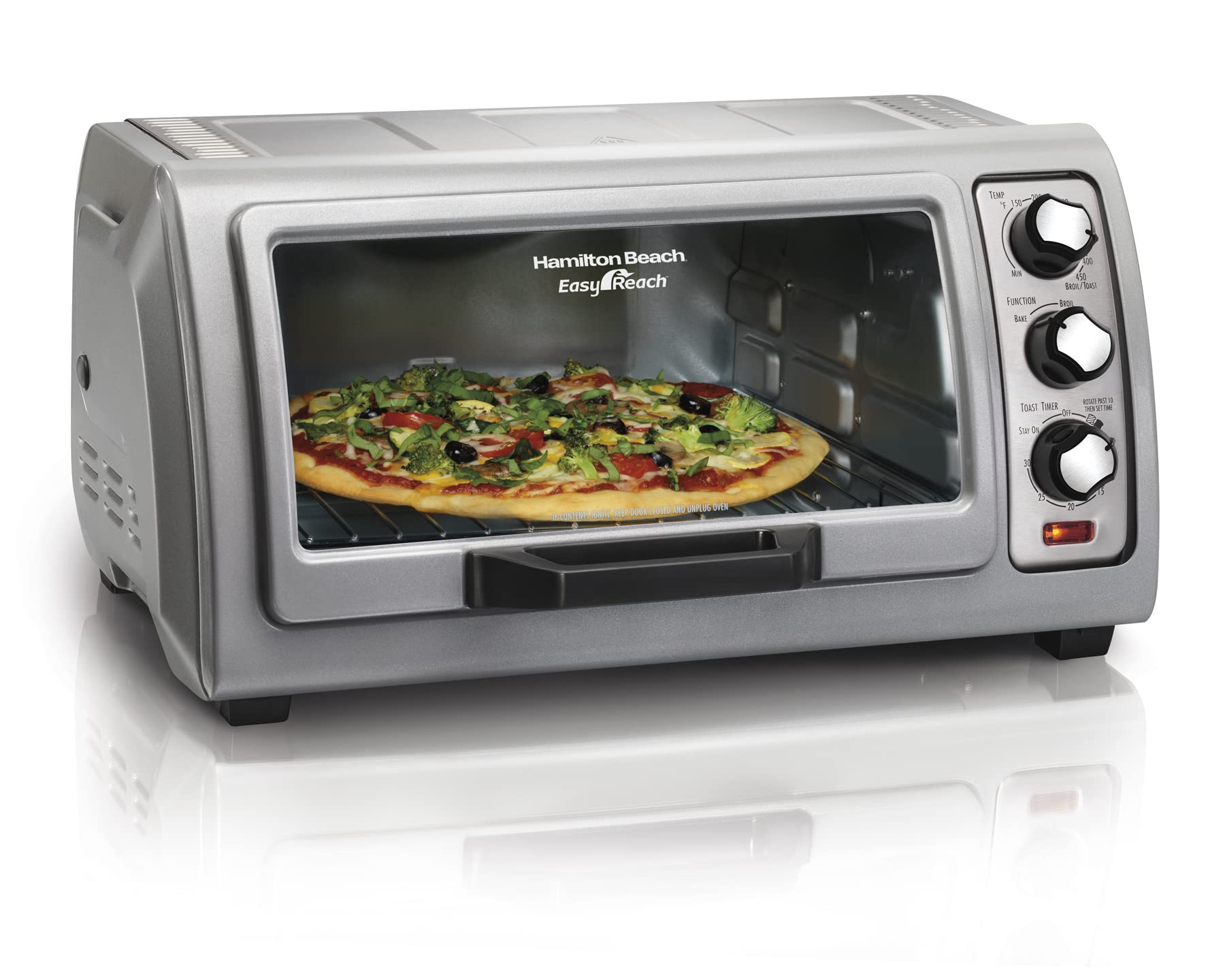
Hamilton Beach 6 Slice Countertop Toaster Oven With Easy Reach Roll-Top Door, Bake, Broil & Toast Fu
- High-quality product
- Customer favorite
- Best value option
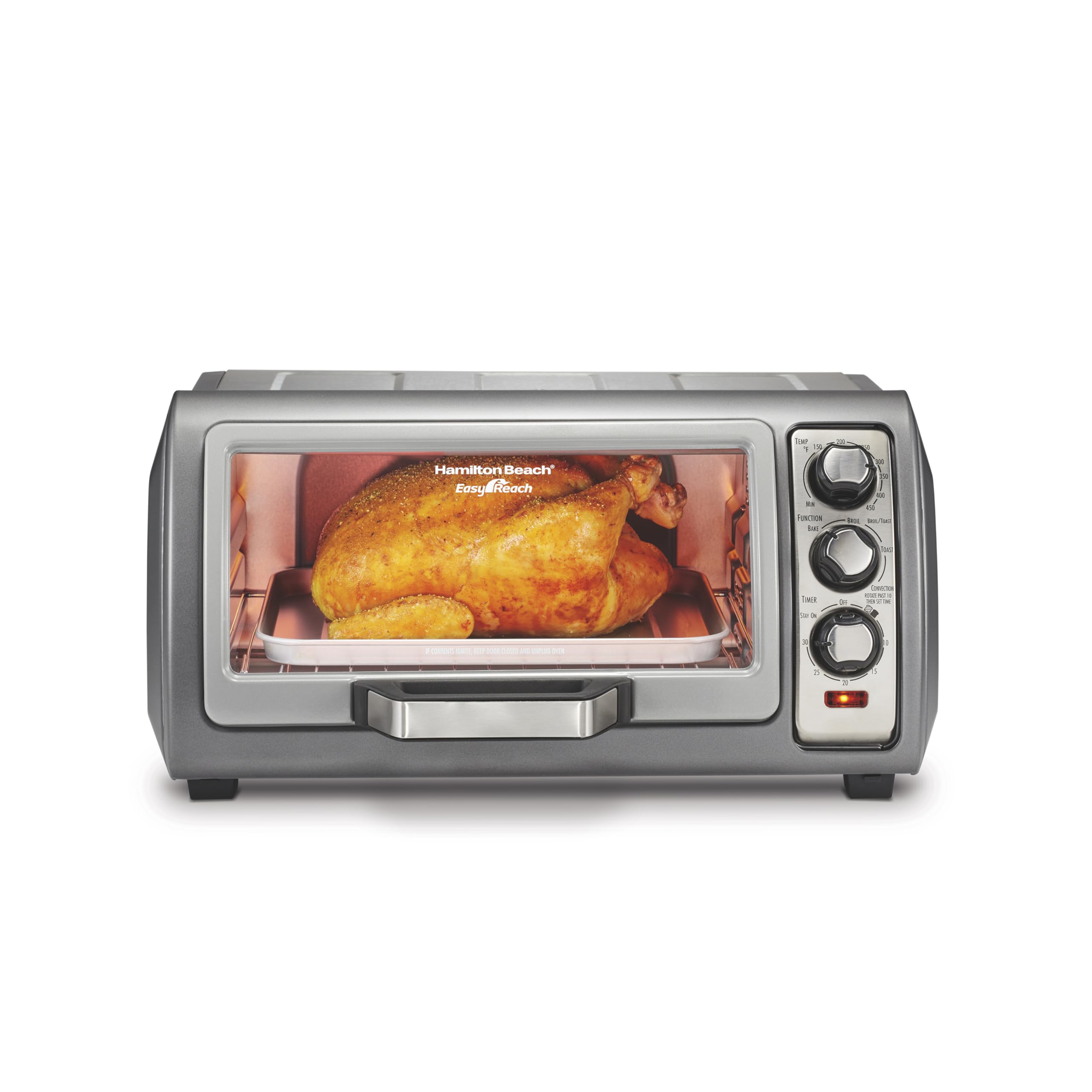
Hamilton Beach 6 Slice Convection Toaster Oven With Easy Reach Roll-Top Door, Bake, Broil & Toast Fu
- High-quality product
- Customer favorite
- Best value option
How do you clean a toaster oven door to prevent closure issues?
Remove the door if possible (consult the manual for detachment instructions) and soak removable glass panels in warm, soapy water for 15 minutes to loosen baked-on grease. Scrub the door track and hinge recesses with a toothbrush dipped in baking soda paste (3:1 ratio with water) to dissolve carbonized residue. Wipe the gasket with a damp cloth—never submerge rubber seals, as moisture causes swelling and cracking. Dry all components thoroughly before reassembly. For non-removable doors, use a vacuum with a brush attachment to extract crumbs from the gap, followed by a microfiber cloth dampened with isopropyl alcohol to degrease the seal surface. Regular cleaning every 2–3 months prevents debris buildup that interferes with door alignment.
What are the safety risks of using a toaster oven with a door that won’t close?
Operating a toaster oven with an unclosed door exposes users to burn hazards from escaping hot air and radiant heat, especially near the door seam. Food particles near the heating elements may ignite due to inadequate containment, increasing fire risk. Electrical components behind the door panel can overheat without proper airflow, potentially damaging insulation or triggering short circuits. In convection models, unbalanced airflow from a gap disrupts temperature uniformity, leading to undercooked food and bacterial growth. Children or pets may inadvertently touch exposed hot surfaces. Always discontinue use immediately if the door fails to latch securely.
Frequently Asked Questions About toaster oven door won't close
Can a loose toaster oven door cause uneven cooking?
Yes. A misaligned door allows heat to escape unevenly, creating cold spots and extending cook times by up to 25%. This尤其 affects baking and broiling, where consistent internal temperature is critical.
Is it safe to tape a toaster oven door shut?
No. Taping the door blocks emergency release, traps heat, and may melt adhesive near heating elements. It also voids warranties and increases fire risk.
How often should toaster oven door hinges be inspected?
Inspect hinges every 6 months for looseness, corrosion, or wear. Frequent users (daily) should check quarterly.
Do all toaster ovens have replaceable door gaskets?
Most modern models do, but some budget units feature glued-in seals not designed for replacement. Verify serviceability via the manufacturer’s parts list.
Can you realign a warped toaster oven door frame?
Minor warping may be corrected by carefully bending the frame with pliers, but this risks cracking glass or weakening structural integrity. Replacement is safer for significant deformation.
Why does my toaster oven door stick when hot?
Thermal expansion causes metal components to swell, increasing friction in hinges or tracks. Lubricating pivot points with high-temperature silicone spray reduces sticking.
Are roll-top toaster oven doors less prone to closure issues?
Yes. Roll-top designs eliminate traditional hinges and reduce stress points, minimizing misalignment. However, the sliding track requires regular cleaning to prevent jamming.
What causes toaster oven door hinges to rust?
Moisture from steam or cleaning accumulates in hinge cavities, especially in units stored in humid environments. Stainless steel hinges resist rust better than plated steel.
Can a damaged door affect toaster oven energy efficiency?
Absolutely. A 2mm gap can increase energy consumption by 15–20% due to constant heat loss, requiring longer preheat and cook times.
Should you lubricate toaster oven door hinges?
Only with food-safe, high-temperature silicone lubricant. Petroleum-based oils degrade rubber and attract dust.
How do you test if a toaster oven door seal is effective?
Close the door on a dollar bill; if it slips out easily, the seal is compromised. Repeat at multiple points around the door.
Are French-door toaster ovens more reliable than single-door models?
French doors distribute stress across two hinges and offer better balance, reducing sag. However, they require precise alignment during installation.
For detailed troubleshooting steps on related components, see our comprehensive guide on [INTERNAL_LINK: "toaster oven heating element failure" → "toaster-oven-heating-element-failure"]. If your unit exhibits electrical faults alongside door issues, review [INTERNAL_LINK: "toaster oven not heating" → "toaster-oven-not-heating"]. For maintenance best practices, consult [INTERNAL_LINK: "how to clean a toaster oven safely" → "clean-toaster-oven-safely"].
A non-closing toaster oven door stems from mechanical, thermal, or maintenance failures that are typically resolvable with targeted repairs. Prioritize hinge integrity, gasket condition, and debris removal. When in doubt, replace rather than risk safety.